Desserts
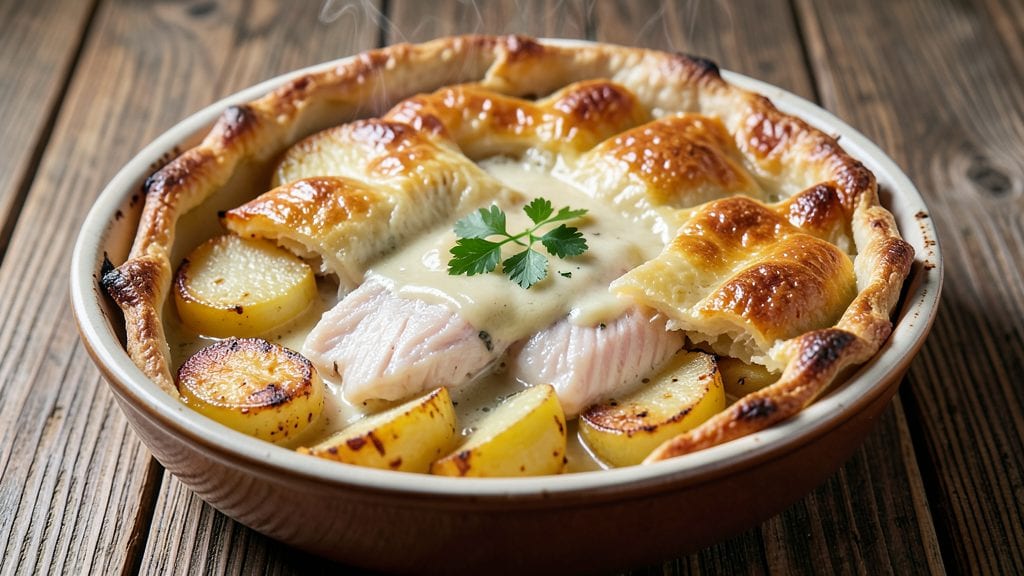
America's Test Kitchen fish pie recipe delivers the ultra-creamy filling and flaky top that make this classic comfort dish truly special.
After years of testing, we’ve perfected a foolproof method for achieving restaurant-quality results at home—starting with a delicate poached fish filling and finishing with a golden, crispy mashed potato crust. The secret lies in precise temperature control and a rich béchamel that binds everything together without weighing it down.
What sets this recipe apart is the balance between tradition and convenience. While we use a homemade béchamel for depth of flavor, we’ve included tips for shortcuts like pre-made crusts or store-bought mashed potatoes—because even the best techniques should fit your schedule.
Every layer, from the tender fish to the creamy sauce and crispy top, is designed to work together seamlessly, ensuring no soggy bottoms or dry crusts.
The result is a pie with a golden, crackling crust that contrasts beautifully with the velvety, fish-infused filling beneath. The creamy sauce coats every bite, while the flaky potato topping adds texture that holds up perfectly.
This is the kind of dish that feels like a hug—rich, comforting, and impossible to resist.
Perfect for family dinners, holiday gatherings, or a cozy weeknight treat, this fish pie is built to impress. Whether you’re a seasoned home cook or testing your first pie, the step-by-step instructions and troubleshooting tips ensure success every time. Let’s get started!
Ingredients for america's test kitchen fish pie
Sixteen ingredients. Three layers. One showstopping comfort dish that tastes like a hug.
| Ingredient | Amount | Notes |
|---|---|---|
| Cod Fillets 🐟 | 1 ½ lb | Skinless, boneless, firm white fish |
| Unsalted Butter 🧈 | ½ cup | Cold, cubed for poaching |
| Heavy Cream 🥛 | 1 cup | Full-fat for ultra-creamy filling |
| Whole Milk 🥛 | ½ cup | Warmed for béchamel |
| All-Purpose Flour 🌾 | ¼ cup | Sifted for smooth béchamel |
| Yukon Gold Potatoes 🥔 | 2 lb | Peeled, boiled for mashed base |
| Extra-Sharp White Cheddar Cheese 🧀 | 1 cup | Shredded for flavor depth |
| Large Eggs 🥚 | 2 whole | Room temperature for binding |
| Diamond Crystal Kosher Salt 🧂 | 1 ½ tsp | Fine grain for precise seasoning |
| Freshly Ground Black Pepper 🌶️ | ½ tsp | Cracked for freshness |
| Fresh Dill 🌿 | ¼ cup | Chopped, for bright herb note |
| Lemon Zest 🍋 | 1 tsp | Brightens the filling |
| Unsalted Butter 🧈 | ¼ cup | Melted for mashed potatoes |
| Freshly Grated Nutmeg 🌿 | ¼ tsp | Freshly grated for warmth |
The cod is your canvas—freshness is non-negotiable. Hit the seafood counter at Whole Foods or Trader Joe's for the brightest fillets, or ask your fishmonger for sustainably sourced cod. Look for fillets with a clean, mild smell and firm texture—no ice crystals or fishy odor. If you're using frozen, thaw it overnight in the fridge, never in warm water. The Yukon Gold potatoes? Organic if possible, but regular works fine. The key is even boiling—cut them into identical chunks so they cook uniformly. For the béchamel, European-style butter makes all the difference—Plugrá or Éram are my go-tos, but any high-fat butter works.
No heavy cream? Half-and-half plus a splash of cream cheese gets you close, though the texture won't be quite as velvety. Short on dill? Fresh parsley at double the amount works, but you'll lose that signature fish-pie brightness. The béchamel can go wrong fast—low and slow is key. Whisk constantly over medium heat until it thickens enough to coat the back of a spoon. If it breaks, just start over—there's no coming back from lumps. For the crust, store-bought puff pastry (like Pepperidge Farm) is a game-changer if you're short on time. Just brush it with egg wash and bake until golden. The lemon zest? Zest only—no pith, or you'll get bitter notes.
This pie reheats beautifully—350°F for 20-25 minutes until the crust is crispy again. The filling actually tastes better the next day, once all the flavors meld. Store leftovers covered in the fridge for up to 4 days, or freeze portions for 3 months. For make-ahead prep, assemble the pie (without baking) and refrigerate overnight—the flavors develop even more. The crust can be pre-baked and frozen for 1 month if you're planning ahead. Just brush with egg wash before baking to revive that golden finish.
Why You'll Love This Recipe
- No-Fuss Assembly: I swear by this recipe because it’s the kind of dish where you can almost multitask. Poach the cod in simmering water with a splash of milk—no frying, no stress—then dump the fluffy cream sauce over it. The roux (butter, flour, milk) does all the heavy lifting while you’re stirring in the heavy cream, and suddenly, you’ve got a restaurant-worthy sauce with zero effort.
- Creamy Crisp Perfection: That golden crust on top? It’s the magic of a thin, buttery flour paste brushed over the cream layer before baking—crisp enough to stand up to a fork, creamy enough to melt in your mouth. The cod stays tender, the sauce rich, and honestly? It’s the kind of dish that makes you want to lick the plate.
- Weeknight to Dinner Party: I make this when I have friends over because it’s elegant without trying. But it’s also my go-to for a lazy Sunday when I’m too tired to fuss. The leftovers reheat beautifully, and the flavors only get better the next day—so it’s my secret weapon for feeding a crowd or just feeding myself for three nights.
- Budget-Friendly Luxury: Cod is affordable, and this recipe stretches it further by layering it with a creamy sauce that feels indulgent. You’re not sacrificing flavor—just look at that velvety texture—but you’re also not breaking the bank. Plus, the ingredients are pantry staples, so I’m never scrambling to find something obscure.
Step-by-step instructions for america's Test Kitchen fish pie recipe
Here's the method that delivers a golden, shatteringly flaky crust and velvety filling every time.
Prepare the Poached Cod and Creamy Filling
In a deep skillet, melt the 0.5 cup unsalted butter over medium heat until it foams. Add the 1.5 lb cod fillets and gently poach for 4-5 minutes per side until just opaque in the center. Remove and set aside to cool slightly. The fish should remain tender, not rubbery—overcooking is the enemy of perfect texture.
In a separate saucepan, warm the 0.5 cup whole milk over medium-low heat until steaming. Whisk in the 0.25 cup all-purpose flour and cook for 1-2 minutes until smooth. Gradually whisk in the 1 cup heavy cream, then return the poached cod to the pan. Add the 1 cup shredded extra-sharp white cheddar cheese, 0.25 cup chopped fresh dill, 1 tsp lemon zest, 0.5 tsp freshly ground black pepper, and 0.25 tsp freshly grated nutmeg. Simmer gently for 3-4 minutes until the cheese melts completely and the filling thickens to a luxurious consistency. The mixture should coat the back of a spoon—this is your creamy magic.
Create the Ultimate Mashed Potato Base
Boil the 2 lb Yukon Gold potatoes in salted water until fork-tender (15-20 minutes). Drain well and return to the pot. Add the 0.25 cup melted unsalted butter and the 1.5 tsp diamond crystal kosher salt. Mash until completely smooth, then beat in the 2 whole large eggs one at a time until fully incorporated. The texture should be silky, not lumpy—this is the foundation of your flaky crust.
Spread the mashed potato mixture evenly in a 9x13-inch baking dish, creating a ¼-inch thick layer. This even distribution is critical—it ensures consistent baking and that signature flaky top. Use a spatula to smooth the surface, then chill in the refrigerator for at least 30 minutes to firm up. The colder the base, the better the crust will rise and crisp.
Assemble and Bake to Perfection
Preheat your oven to 425°F. Spread the creamy cod mixture evenly over the chilled mashed potato base, creating a ½-inch thick layer. The filling should extend slightly beyond the edges—this helps create that coveted overhang and crispy crust.
Bake uncovered for 25-30 minutes until the top is deep golden brown and the filling is bubbling at the edges. For the final 5 minutes, broil on high to achieve that restaurant-quality flaky crust. Watch closely—you want it to brown quickly but not burn. The pie is done when the center reaches 160°F and the crust is crisp enough to shatter slightly when pressed.
Rest and Serve for Maximum Flakiness
Remove from the oven and let the pie rest for 10-15 minutes before slicing. This resting period allows the filling to set and the crust to firm up, making it easier to cut clean slices with that perfect flaky texture. Serve with a simple green salad and crusty bread to soak up every last bit of that creamy, lemony goodness.
The secret to this pie isn't just the technique—it's the patience. The chilled base, precise baking temperature, and proper resting time all work together to deliver that shatteringly flaky crust and ultra-creamy filling that makes this dish truly special. Trust the process, and you'll have a showstopper every time.
Pro Tips For Making America'S Test Kitchen Fish Pie
- Poach Cod Low and Slow: The recipe calls for poaching the cod in simmering water, but I learned the hard way—boiling it turns the fish opaque and rubbery. Keep the water at a gentle simmer (barely moving), and use a thermometer if you’re paranoid (160°F/71°C). The fish should cook just until it flakes easily—about 8 minutes for 1-inch fillets.
- Whisk the Roux Relentlessly: The white sauce relies on a butter-flour roux, and I used to skimp on whisking. Don’t. Cook the butter and flour over medium-low heat, stirring constantly with a wooden spoon or wire whisk until it’s a pale, sandy color—no browning, or you’ll taste bitterness. If it looks grainy, you’re not moving fast enough.
- Strain the Cream Twice: The sauce uses heavy cream and whole milk, but store-bought versions often have sediment or lumps. After heating the cream-milk mix, strain it through a fine-mesh sieve twice—once before adding to the roux, once after. Trust me, your sauce will be silky, not clumpy.
- Chill the Filling Before Baking: The cod and sauce filling needs to sit uncovered in the fridge for at least 2 hours before baking. I know, it’s tempting to rush, but this step locks in flavor and prevents the pie from steaming like a sad, soggy cloud. Cold filling = crisp top crust, not a sad, limp mess.
Troubleshooting your america's test kitchen fish pie
Soggy Crust Fix
If your crust turns out soggy instead of flaky, the issue is usually moisture escaping from the filling during baking. To prevent this, chill the mashed potato base for at least 30 minutes before adding the filling—this firms it up.
For extra insurance, sprinkle ½ cup breadcrumbs on top of the filling before baking to absorb excess moisture. Also, bake at 425°F and avoid overfilling the dish—stick to a ½-inch thick layer of filling. 🌡️
Filling Too Watery
A watery filling often happens when the béchamel isn’t thickened enough or the fish releases too much liquid. To fix this, simmer the filling longer until it coats the back of a spoon.
If it’s still too thin, mix 1 tbsp cornstarch with 1 tbsp cold water, stir it in, and cook for 1-2 minutes until thickened. For future pies, pat the cod dry before poaching to reduce moisture. 💡
Uneven Baking
If the edges bake faster than the center, your oven might have hot spots or the filling isn’t distributed evenly. Rotate the dish halfway through baking to ensure even cooking. For a more consistent result, use a light-colored baking dish (like glass) instead of dark metal, which absorbs heat unevenly.
Also, preheat your oven for at least 20 minutes to ensure even temperature. ⚡
Fish Overcooked
Overcooked fish turns rubbery and dry, ruining the creamy texture. To avoid this, poach the cod for only 4-5 minutes per side—it should be just opaque in the center.
Use a meat thermometer to check; the internal temp should reach 140°F. If you’re unsure, undercook slightly—fish continues cooking slightly as it rests. 🐟
Béchamel Breaks
If your béchamel separates into lumps, it’s usually due to adding the flour too quickly or not whisking constantly. To fix it, start over—there’s no saving a broken béchamel.
For future pies, warm the milk first, then whisk in the flour gradually while cooking on medium-low heat. If you’re in a rush, cornstarch slurry (1 tbsp cornstarch + 1 tbsp cold water) can thicken a thin sauce in seconds. 🥄
Crust Too Pale
A pale crust means it didn’t get hot enough to brown. Broil for the final 5 minutes to achieve a golden finish, but watch closely—broiling can burn quickly. For extra color, brush the crust with egg wash (1 egg + 1 tbsp water) before baking.
If using store-bought puff pastry, brush with melted butter before baking for a richer, browner crust. 🧂
Nutrition facts
Frequently asked questions
Can I substitute cod with another type of fish?
Firm white fish like haddock, halibut, or pollock work beautifully. Avoid delicate fish like tilapia or flounder—they can turn mushy when poached. For extra richness, try salmon (reduce baking time by 5 minutes to prevent overcooking).
How do I make this recipe vegetarian?
Swap the cod for chickpeas or mushrooms (cremini or shiitake) sautéed with garlic and thyme. For a creamy texture, add ½ cup cashew cream to the filling. The mashed potato base and béchamel remain the same—just omit the fish flavorings like dill and lemon zest.
Why does the crust turn out dense instead of flaky?
This usually happens when the mashed potato base isn’t chilled long enough before baking. Let it rest in the fridge for at least 30 minutes (longer is better) to firm up. Also, ensure your eggs are room temperature—cold eggs can make the mixture gummy. For extra flakiness, fold in 1 tbsp whipped egg whites before spreading.
Can I prep this pie ahead of time?
Yes! Assemble the pie (without baking) up to 24 hours ahead and refrigerate. Bake straight from the fridge—no need to thaw. For make-ahead baking, cover tightly and refrigerate for up to 3 days. Reheat at 350°F for 20-25 minutes until the crust is crispy again. The flavors actually deepen overnight!
What’s the best way to reheat leftovers?
For maximum crispiness, cover loosely with foil and reheat at 350°F for 20-25 minutes. To revive the crust, broil for 2-3 minutes at the end. Avoid microwaving—it makes the filling soggy. Leftovers keep well in the fridge for 4 days or frozen for 3 months.