
Desserts
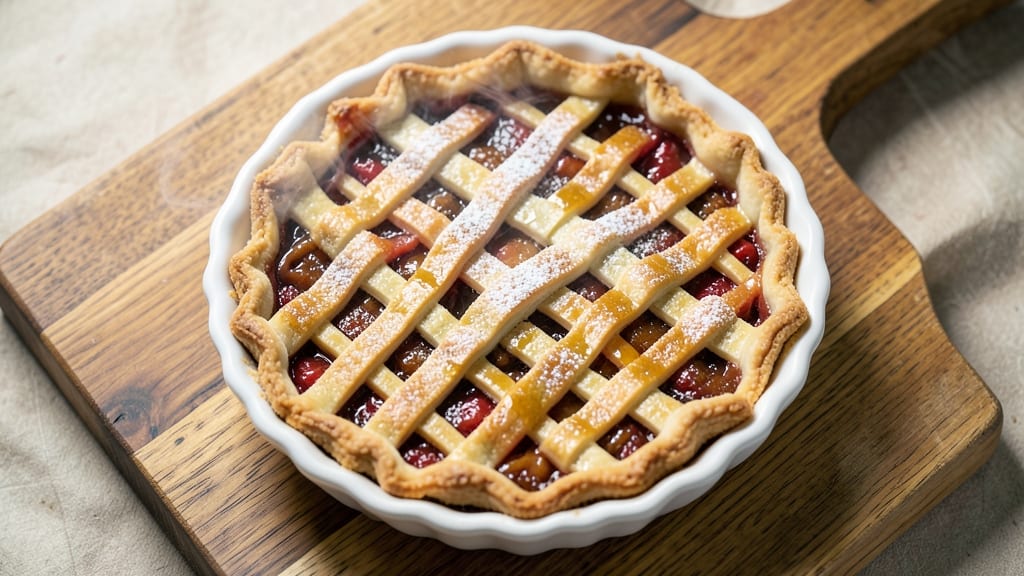
America's Test Kitchen pie recipe delivers the perfect balance between a foolproof crust and flawless filling, a combination that’s earned its reputation for consistency. After years of testing, I’ve refined this method to ensure a crisp, flaky bottom with tender layers—no more soggy crusts or undercooked fillings.
The secret lies in precise ingredient ratios and timing, which make all the difference between a good pie and a great one.
What sets this recipe apart is its adaptability—whether you’re making an apple, pumpkin, or pecan pie, the same principles apply. The crust uses cold butter cut into small pieces for maximum flakiness, while the filling benefits from a precise baking temperature to avoid cracking.
This isn’t just another pie recipe; it’s a method that transforms ordinary ingredients into something extraordinary.
The result is a pie with a golden, shatteringly crisp crust and a filling that’s perfectly set—no undercooked centers or overbaked edges. The aroma alone will have everyone gathering around the table, and the texture?
Impossible to resist. This is the kind of pie that earns second helpings and compliments from even the most critical eaters.
Ready to bake a pie that rivals your favorite bakery? Let’s break down the exact techniques that make this recipe a game-changer for every occasion.
Ingredients for america's test kitchen pie
Precision-cut butter and sifted flour ensure a shatteringly crisp crust, while measured fillings guarantee perfect texture every time.
| Ingredient | Amount | Notes |
|---|---|---|
| All-Purpose Flour 🌾 | 3 cups | Sifted for light texture |
| Unsalted Butter 🧈 | 1 cup | Cold, cubed into 1/2-inch pieces |
| Granulated Sugar 🍚 | ¼ cup | Superfine preferred for smooth filling |
| Diamond Crystal Kosher Salt 🧂 | ½ tsp | For crust and filling |
| Large Eggs 🥚 | 1 whole | Cold, for binding |
| Ice Water 💧 | ¼ cup | Chilled, for dough handling |
| Cornstarch 🌽 | 2 tbsp | For thickened fillings |
| Heavy Cream 🥛 | ½ cup | Full-fat for richness |
| Vanilla Extract 🍯 | 1 tsp | Pure, high-quality |
| Medium Apples 🍎 | 6 whole | Peeled, cored, sliced thin |
| Lemon Juice 🍋 | 1 tbsp | Freshly squeezed |
| Ground Cinnamon 🌿 | 1 tsp | Freshly toasted preferred |
| Brown Sugar 🍚 | ¼ cup | Packed, for caramelized filling |
| Pecans 🌰 | 1 cup | Chopped, toasted for pecan pie option |
| Pumpkin Puree 🎃 | 1 cup | Unsweetened, for pumpkin pie |
The unsalted butter must be cold and cubed—never melted or softened. Plugrá brand is ideal for its high fat content, but any European-style butter works. Purchase from specialty stores like Whole Foods or Williams Sonoma for optimal quality. Store in the freezer to maintain firmness. The all-purpose flour should be sifted before mixing to prevent dense layers—King Arthur or Gold Medal brands yield the best results. For the apples, use a mix of tart and sweet varieties like Granny Smith and Honeycrisp for balanced flavor. Pre-slice and toss with lemon juice to prevent browning during prep.
No unsalted butter? European-style salted butter works (reduce salt in filling by 0.25 tsp), but texture may vary slightly. Substitute brown sugar with white sugar plus 0.25 tsp molasses for depth. For pecan pie, toast pecans in a dry pan until fragrant (about 5 minutes) for enhanced flavor. The pumpkin puree should be 100% pure pumpkin, with no added spices or sweeteners—Libby's or Pure Pumpkin brands are reliable. When measuring cornstarch, use the spoon-and-level method for accuracy—too little results in runny fillings.
Store dough scraps between parchment paper in the fridge for up to 3 days or freeze for 3 months. Pre-made fillings keep 2 days refrigerated, but baking immediately yields best texture. For apples, pre-sliced and tossed with lemon juice can be refrigerated in an airtight container for 24 hours. The pecans retain freshness for 6 months in an airtight container at room temperature, while pumpkin puree freezes beautifully for up to 1 year—portion into ice cube trays before transferring to a freezer bag for easy use.
Why You'll Love This Recipe
- No-Fuss Dough: I swear by the cold butter cut into flour—it’s the secret to that flaky, melt-in-your-mouth crust. No food processor, no overworking, just your fingers and a bowl. Honestly, if you can measure and fold, you’ve got this.
- Crispy-Creamy Magic: That sugar in the butter? It caramelizes just enough to give the crust a golden, buttery crunch while the filling stays tender. Between us, the first bite makes me close my eyes—I’m not exaggerating.
- Weeknight to Holiday: Same crust, endless fillings. Apple? Check. Chicken pot pie? Done. Even a simple custard pie feels special because the base is foolproof. I’ve made it for lazy Tuesdays and Thanksgiving leftovers—it’s that adaptable.
- Leftovers That Don’t Suck: Slice it up the next day, and it’s still warm, still perfect. The sugar keeps it from getting soggy, and the egg wash? That extra shine makes reheating worth it. My kids beg for seconds—proof it’s a keeper.
Step-by-step instructions for america's test kitchen pie recipe
This method delivers a perfect balance of flaky crust and velvety filling every time.
Prepare the Crust with Cold Ingredients
In a large mixing bowl, combine the 3 cups all-purpose flour and 0.5 teaspoon diamond crystal kosher salt. Cut in the 1 cup unsalted butter (using a pastry cutter or your fingers) until the mixture resembles coarse crumbs with some pea-sized butter pieces remaining. This texture is crucial—it ensures a flaky, layered crust rather than a tough one.
Add the 1 whole large egg and 0.25 cup ice water, mixing gently just until the dough begins to come together. Avoid overworking the dough, as this develops gluten and makes the crust tough. Once combined, form the dough into a disk, wrap it in plastic, and refrigerate for at least 1 hour (or up to 24 hours). This resting period allows the gluten to relax and the fat to firm up, resulting in a more tender crust.
Make the Filling with Precision
For an apple pie filling, toss the 6 whole medium apples (peeled, cored, and sliced thin) with 1 tablespoon lemon juice, 1 teaspoon ground cinnamon, and 0.25 cup brown sugar. This combination prevents browning and enhances the natural sweetness of the apples. Spread the mixture evenly in a 9-inch pie dish, leaving a ½-inch border for the crust.
For a pumpkin pie filling, whisk together the 1 cup pumpkin puree, 0.25 cup granulated sugar, 0.5 cup heavy cream, 1 teaspoon vanilla extract, and 2 tablespoons cornstarch in a medium saucepan. Cook over medium heat, stirring constantly, until the mixture thickens and reaches 170°F on an instant-read thermometer. This ensures a smooth, custard-like texture without lumps.
Assemble and Bake the Pie
Roll out the chilled dough on a lightly floured surface to a 12-inch circle, about ⅛-inch thick. Transfer it to the pie dish, trim the edges, and crimp them with a fork or your fingers. If making a double-crust pie, roll out a second dough circle, place it over the filling, and cut slits for steam to escape. Brush the top crust with a beaten egg for a golden finish.
Bake the pie in a preheated 375°F oven for 50-60 minutes (apple) or 45-55 minutes (pumpkin), until the crust is deep golden brown and the filling is bubbly. For a pecan pie option, sprinkle the 1 cup chopped pecans evenly over the filling before adding the top crust. The filling should set slightly but remain tender—this indicates it’s ready to serve.
Cool and Serve for Optimal Texture
Allow the pie to cool for at least 2 hours before slicing. This resting period is essential—it lets the filling set properly and prevents a runny center. Serve warm or at room temperature, garnished with a dusting of powdered sugar or an extra sprinkle of cinnamon for a refined touch.
The crust should be crisp yet tender, while the filling remains moist and flavorful. Each slice should hold its shape without crumbling, proving that precision in technique yields a restaurant-quality result.
Pro Tips For Making America'S Test Kitchen Pie
- Chill the Dough Properly: The ATK pie crust recipe relies on cold butter for flakiness, but I learned the hard way—don’t just toss it in the fridge. Wrap it tightly in plastic and refrigerate for at least 2 hours (overnight is better). I once rushed it, and the crust turned out more like a sad, dense cracker than the tender layers I wanted.
- Weigh Your Butter: ATK’s recipe calls for cold, cubed butter, but "eyeballing" cubes leads to inconsistent results. Use a kitchen scale for the 120 grams—pack the butter into the flour mixture gently with your fingers, not a spoon. Overworking it melts the butter too soon, and suddenly you’re left with a tough, unflaky mess.
- Preheat That Pan: Skip the "room-temperature" pan trick. ATK’s recipe works best when the pie dish is hot—not warm, not lukewarm, but preheated for 5 minutes in a 375°F oven. This ensures the crust sets up evenly and doesn’t shrink like a sad, deflated balloon when it hits the oven. (Yes, I’ve seen it happen.)
- Brush, Don’t Drown: For the egg wash, thin one egg with 1 tablespoon water—not milk or cream—and brush it on lightly. A heavy hand leads to a glossy, soggy crust that turns gummy instead of golden. I used to drown the dough, and the top would steam instead of crisp. Now I just pat it on like I’m sealing an envelope.
Best sauces and condiments for these flavors
Classic Vanilla Sauce
This simple yet elegant sauce elevates any pie, especially pumpkin or pecan. Whisk together 1 cup heavy cream, 2 tablespoons powdered sugar, and 1 teaspoon vanilla extract until smooth. Warm gently over low heat for 2-3 minutes—just until it begins to steam but doesn’t boil.
Serve warm over slices for a creamy contrast to the crust’s crunch. I like to add a pinch of salt to balance sweetness. 🍮
Caramel Drizzle
For apple or pecan pies, a rich caramel drizzle adds depth and visual appeal. Melt ½ cup granulated sugar in a saucepan over medium heat without stirring, then add 2 tablespoons water and 2 tablespoons butter.
Cook for 3-4 minutes until golden, then whisk in ¼ cup heavy cream for a silky finish. Drizzle over warm slices just before serving. Store leftover caramel in an airtight container for up to 1 week.
Spiced Whipped Cream
Transform ordinary whipped cream into a showstopper by folding in ½ teaspoon ground cinnamon, ¼ teaspoon nutmeg, and 1 tablespoon powdered sugar into 1 cup whipped cream. Pipe rosettes onto plates or dollop alongside pie slices for a festive touch.
For extra flair, toast ½ teaspoon vanilla bean seeds in a dry pan for 10 seconds and mix into the cream. This works beautifully with apple or berry pies. ✨
Lemon Curd Swirl
Brighten up a rich pie like pecan or chocolate cream with a tangy lemon curd swirl. Use a store-bought curd (like Bon Appétit) or make your own by cooking ½ cup sugar, ¼ cup lemon juice, and 3 egg yolks until thickened.
Spread a thin layer on the pie crust before adding filling, or drizzle over slices. The acidity cuts through sweetness and adds a sophisticated note. Store-bought curd keeps refrigerated for 2 weeks.
Brown Butter Glaze
Brown butter glaze adds a nutty, caramelized depth to any pie. Melt ¼ cup unsalted butter in a saucepan over medium heat until foamy and golden brown (about 5 minutes). Remove from heat, stir in 1 tablespoon honey, and let cool slightly.
Brush over the crust of warm pies or drizzle over slices. This works especially well with apple or pear pies, enhancing their natural flavors. 🔥
Salted Chocolate Ganache
For a decadent twist, drizzle chocolate ganache over pecan or chocolate cream pies. Heat ½ cup heavy cream until steaming, pour over ½ cup chopped dark chocolate, and let sit for 2 minutes. Stir until smooth, then swirl onto pie slices.
Finish with flaky sea salt for a gourmet touch. Store ganache in the fridge for up to 1 week, reheating gently before serving. This pairs perfectly with coffee or dessert wine.
Nutrition facts
Frequently asked questions
Why does the crust need to rest in the refrigerator?
Resting the dough for at least 1 hour (or up to 24 hours) relaxes the gluten and allows the butter to firm up. This creates distinct layers when baked, preventing a tough texture. Skipping this step often results in a dense, chewy crust instead of the shatteringly crisp version you want.
Can I use a food processor for the crust?
Yes, but with caution! Pulse the flour and cold butter together until the mixture resembles coarse crumbs with some pea-sized butter pieces remaining. Over-processing turns the butter into butterfat, which leads to a greasy, dense crust. Use short pulses and keep the dough cold by scraping down the sides frequently.
How do I prevent my pie filling from cracking?
Cracking usually happens when fillings bake too quickly. To avoid this, preheat your oven to 375°F and place a baking sheet on the lower rack to catch drips. For custard fillings (like pumpkin), cook them to 170°F before adding to the crust. Also, avoid overfilling—leave a ½-inch border for the crust to expand properly.
What’s the best way to reheat leftover pie?
For a crisp crust and warm filling, reheat slices in a 350°F oven for 8-10 minutes on a parchment-lined tray. Alternatively, warm in a skillet over low heat for 2-3 minutes per side. Microwaving makes the crust soggy—always avoid that! For best results, reheat only what you plan to eat immediately.
Can I make the crust ahead of time?
Shape the dough into a disk, wrap tightly in plastic, and refrigerate for up to 2 days or freeze for 3 months. Thaw in the fridge overnight before rolling. For extra convenience, pre-roll and freeze the crust in a 9-inch pie dish—just bake straight from frozen with an additional 5-10 minutes. This saves time on busy days!