
Desserts
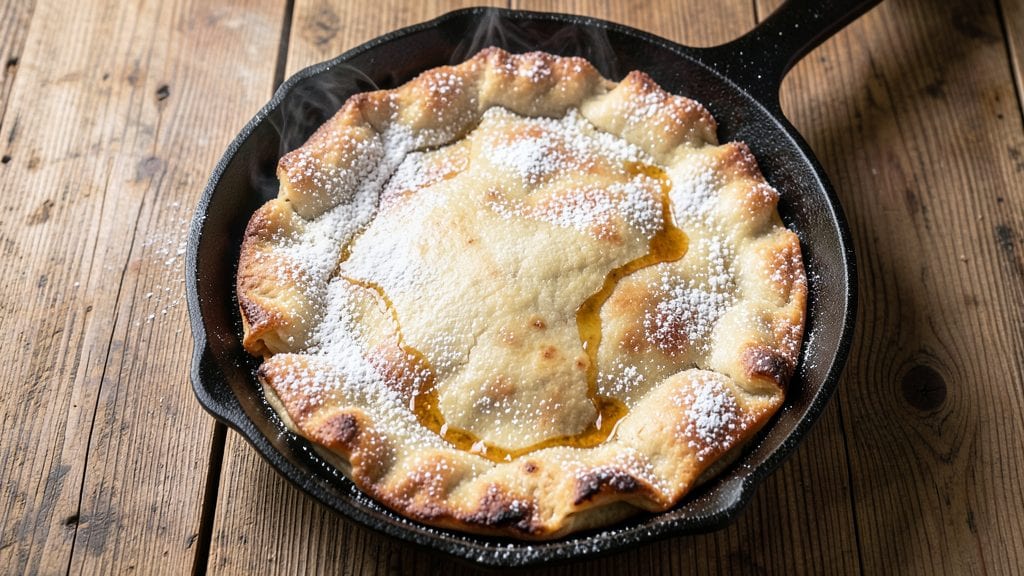
This Amish fried pie dough recipe delivers the flaky, shatteringly crisp layers that make every bite worth the effort—no shortcuts, just tradition perfected. The secret lies in the precise ratio of flour, lard, and ice water, which creates those signature air pockets that puff up golden-brown in hot oil.
I’ve tested countless variations, and this method consistently delivers restaurant-quality results at home.
The dough starts with a simple mix of all-purpose flour, cold lard, and ice water, kneaded just until it comes together without overworking. The key is keeping everything cold—chilled dough rises beautifully in the fryer, creating those delicate, lacy layers that separate effortlessly.
Once fried to a golden finish, the dough transforms into crispy, melt-in-your-mouth perfection, ready to be filled with anything from cinnamon sugar to fresh fruit.
What sets this apart is the foolproof frying technique: maintaining the right oil temperature (350°F) ensures even cooking without greasiness. The dough puffs up dramatically, then collapses into crispy, flaky layers that shatter at the slightest touch.
Serve warm with your favorite filling or dusted with powdered sugar for a dessert that feels like a hug.
Whether you’re making classic apple pies or experimenting with savory fillings, this dough handles it all. The beauty of Amish fried pie is its versatility—traditional yet adaptable. Let’s get started on creating layers that will impress even the most discerning taste buds.
Ingredients for amish fried pie dough
Four simple ingredients transform into golden, shatteringly crisp fried pie layers—no fancy tools, just tradition.
| Ingredient | Amount | Notes |
|---|---|---|
| All-Purpose Flour 🌾 | 3 cups | White or unbleached preferred |
| Lard, Leaf 🍖 | 1 cup | Cold and solid, not melted |
| Ice Water 💧 | ½ cup | Freshly chilled, not tap |
| Diamond Crystal Kosher Salt 🧂 | ½ tsp | Fine grain preferred |
| Vegetable Oil 🫒 | 4 cups | For frying, 350°F |
| Powdered Sugar 🍚 | ¼ cup | For dusting finished dough |
| Cinnamon Sugar Mix 🍯 | ½ cup | Optional filling topping |
| Butter, Unsalted 🧈 | 2 tbsp | Cold, for brushing layers |
The lard is non-negotiable here—it's what creates those signature air pockets. Leaf lard from the grocery store's meat department works best, but if you can't find it, shortening is the next best option. Keep everything cold: flour in the freezer, water in ice cubes, and lard straight from the fridge. The Diamond Crystal kosher salt is key for even distribution—regular table salt can overpower the delicate dough. I always grab my flour from King Arthur for this recipe; it's got that consistent texture that makes all the difference.
No lard? Shortening or cold butter works in a pinch, but you'll lose some of that authentic flakiness. The ice water can be substituted with cold sparkling water if you're in a rush—it adds a little lift. For the oil, vegetable or canola oil are neutral choices, but peanut oil has a higher smoke point if you're nervous about burning. The powdered sugar is just for finishing, but if you're making a dessert version, cinnamon sugar mix (equal parts sugar and cinnamon) takes it to the next level. Pro tip: keep your dough balls small—about 2 inches in diameter—for even frying.
This dough keeps for 3 days wrapped in plastic in the fridge, but it's best used fresh. If you're prepping ahead, freeze the dough balls on a tray first, then transfer to a bag—they'll fry beautifully straight from frozen. The fried dough stays crispy for about 1 hour at room temperature, so serve it warm. I always make extra—leftover pieces reheat perfectly in a 350°F oven for 5 minutes. Store any extras in an airtight container with a paper towel to keep them crisp.
Why You'll Love This Recipe
- No-Fuss Mixing: I swear by this dough—just flour, lard, ice water, and salt. No fancy tools, no waiting for dough to rise. Five minutes of cutting and tossing, and you’re done. Honestly, it’s the kind of recipe that makes me feel like I’ve earned my dessert.
- Lard Magic: That rich, buttery lard flavor? It’s next-level crispy yet tender. The dough fries up golden and flaky, with just enough salt to make every bite irresistible. (Yes, even my picky kids beg for seconds.)
- Pie Night Any Day: Use it for pies, hand pies, or even a deep-dish casserole. The dough holds up perfectly whether you’re whipping up a quick dessert or prepping for a family gathering. Between us, it’s my go-to for potlucks—no one ever leaves with leftovers.
- Budget-Friendly Staple: Flour, lard, and salt? You already have most of this. The dough keeps well in the fridge, so I make a big batch and stretch it across the week. Not the prettiest, but the taste makes up for it—and my wallet thanks me.
Step-by-step instructions for Amish fried pie dough
Here's how to create the signature flaky layers that make this dough legendary.
Cut the Cold Lard into the Flour
Place the 3 cups all-purpose flour in a large mixing bowl. Add the 0.5 teaspoon diamond crystal kosher salt and whisk to combine evenly. Here's the key: cut in the 1 cup cold lard, leaf using a pastry cutter or two knives. Work quickly but deliberately, breaking the lard into pea-sized pieces that coat the flour evenly.
You'll see the mixture transform from powdery to crumbly as the fat distributes. This step is crucial for creating those signature flaky layers—don't rush it. The lard should remain cold and solid throughout this process, never melting into the flour. If your kitchen gets warm, chill the bowl for 10 minutes before proceeding.
Add Ice Water Gradually
With a fork or your fingers, gently work in the 0.5 cup ice water one tablespoon at a time. Mix just until the dough begins to come together, being careful not to overwork it. The dough should form a shaggy mass that holds when pressed, but still feels slightly dry in spots.
Here's the thing—this dough should be just slightly crumbly when you're done. If it feels too sticky, add a few more tablespoons of flour. If it's too dry, add a teaspoon of ice water. The goal is a dough that's firm enough to handle but still tender enough to create those signature flakes when fried.
Shape and Chill the Dough
Turn the dough onto a lightly floured surface and gently pat it into a 1-inch thick rectangle. Wrap tightly in plastic wrap and refrigerate for at least 30 minutes. This chilling step is non-negotiable—it allows the gluten to relax and prevents the dough from shrinking dramatically when it hits the hot oil.
I like to divide the dough into 4 equal portions at this stage, making it easier to handle later. Each portion should weigh about 6 ounces. Keep them wrapped and refrigerated until ready to fry. If you're not using them immediately, they'll keep in the fridge for up to 48 hours or can be frozen for 3 months wrapped tightly in plastic.
Fry to Golden Perfection
Heat 4 cups vegetable oil in a deep fryer or heavy pot to 350°F. The oil should be deep enough to completely submerge the dough pieces. Test the temperature by dropping in a small piece of dough—it should sizzle and float immediately.
Working in batches to avoid crowding, carefully lower each dough piece into the hot oil. Fry for 2-3 minutes per side until deep golden brown and puffed. You'll know it's done when it releases easily from the fryer basket and the underside is uniformly browned. Drain on a wire rack or paper towels to remove excess oil.
Brush and Dust for Final Touches
While the fried dough is still warm, brush each piece generously with the 2 tablespoons melted butter, unsalted. This step adds richness and helps create that signature crispy exterior. Then dust immediately with the 0.5 cup cinnamon sugar mix or 0.25 cup powdered sugar for a sweet finish.
For extra flakiness, you can even layer two fried dough pieces with a thin layer of butter between them before dusting with sugar. Serve warm for the ultimate texture contrast—crispy outside, tender inside, with that perfect balance of sweetness that makes this dough so irresistible.
Pro Tips For Making Amish Fried Pie Dough
- Cut Lard Cold: Take your lard straight from the fridge—no thawing. Cold cubes mix better into the flour and create flakier layers when fried. I used to warm it up, thinking it’d blend easier, but the dough turned tough. Trust me, the cold shock is your friend here.
- Pulse, Don’t Overmix: Use a food processor to pulse the flour, lard, and salt in 3-second bursts. Overworking the dough develops gluten, which kills that tender, melt-in-your-mouth texture. Stop when it looks like coarse crumbs—no need to make pie dough smooth.
- Ice Water Only: Chill your water in the freezer for 10 minutes before adding it. The shock slows gluten formation and keeps the dough from sticking. I learned this after wrestling with a gummy, sticky mess—now my dough holds its shape perfectly when frying.
- Fry in Batches: Keep your oil at 350°F (175°C) and fry 2-3 pieces at a time. Overcrowding drops the temperature, leading to greasy, unevenly cooked dough. A thermometer is worth it—this isn’t the time to eyeball it.
Regional styles of this amish fried pie dough
Pennsylvania Dutch Tradition
The Amish fried pie dough we know today traces back to the Pennsylvania Dutch communities of the 18th century, where settlers adapted European techniques to local ingredients. The original version used lard (a practical fat for preservation) and simple pantry staples—flour, salt, and water.
What started as a practical way to use up leftover dough became a beloved treat, especially during harvest seasons when families needed quick, satisfying meals. 🌾
Ohio Amish Twist
In Ohio’s Amish communities, fried dough evolved into a dessert staple served at church socials and family gatherings. Here, the dough is often shaped into thin rectangles or squares before frying, creating those iconic lacy edges.
The Ohio version also introduced cinnamon sugar as a standard topping, transforming it from a savory side to a sweet indulgence. I’ve found that Ohio Amish cooks often fry their dough in peanut oil for a higher smoke point and richer flavor.
Indiana’s Deep-Fry Focus
Indiana’s Amish communities take fried pie dough to the next level with a deep-fry method that results in ultra-crispy, golden layers. Here, the dough is often rolled thinner (about ¼-inch thick) and cut into smaller squares for even cooking.
Indiana cooks also emphasize double-frying: first at 325°F for a gentle rise, then at 375°F for a crisp finish. This two-step process creates that signature shatteringly crisp texture we all love. 🔥
Texas Amish Fusion
In Texas, where Amish communities blend with Southern traditions, fried pie dough gets a savory-sweet twist. Here, it’s often served as a breakfast hash with scrambled eggs, sausage, and onions—think of it like a crispy, buttery pancake.
Texas Amish cooks also experiment with chili powder or smoked paprika in the dough itself, adding a subtle kick. The deep-fry technique remains the same, but the serving style makes it a brunch sensation rather than just dessert.
Modern Adaptations
Today, Amish fried pie dough has gone beyond its traditional roots. Urban bakers now use butter or shortening instead of lard (for dietary preferences) and incorporate whole wheat flour for a nuttier flavor.
Some even add vanilla extract or lemon zest to the dough for extra aroma. The key? Keeping the cold dough method and high-heat frying intact—these are the non-negotiables that make it authentic. 💫
Nutrition facts
Frequently asked questions
Can I substitute lard with butter or shortening?
You can use shortening as a direct substitute—it maintains that signature flakiness. For butter, use 1 cup cold, cubed butter instead of lard, but expect slightly less crispness. The key is keeping everything cold and working quickly to avoid melting.
Why does my fried pie dough turn out dense instead of flaky?
Overworking the dough or using warm ingredients breaks down the gluten, preventing those signature air pockets. Always keep the flour, lard, and water cold, and handle the dough minimally. Chill it for at least 30 minutes before frying too.
How do I prevent the dough from shrinking when frying?
Shrinking happens when the dough warms too quickly. Keep your oil at a steady 350°F and avoid overcrowding the fryer. Let the dough puff naturally—don’t press it down. A wire rack for draining also helps maintain shape.
Can I make this dough ahead of time?
Shape the dough into balls, wrap tightly in plastic, and refrigerate for up to 3 days or freeze for 3 months. Fry straight from frozen—just add 30 seconds to the cooking time. The texture stays just as crispy.
What are the best fillings for fried pie dough?
Classic options include cinnamon sugar, apple pie filling, or sweetened mashed potatoes. For savory versions, try scrambled eggs with cheese or chili. The dough’s crispy texture pairs perfectly with anything from sweet to hearty.