
Desserts
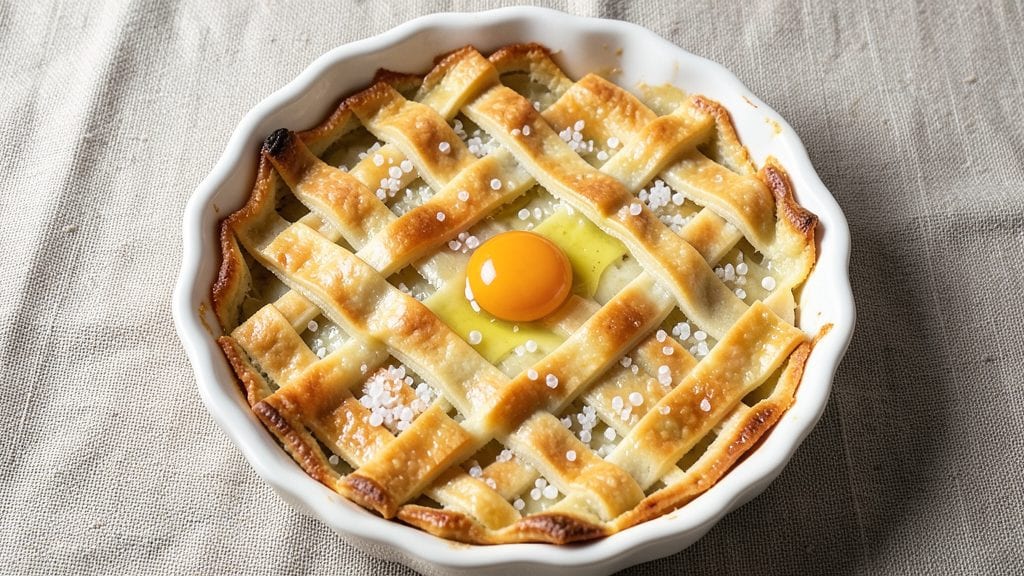
A baked pie crust recipe that delivers flaky lattice layers without the guesswork is what separates homemade pies from store-bought disappointments. I’ve perfected this method over years of trial and error—starting with cold butter cut into flour like tiny snowflakes, then rolling just enough to hold its shape.
The secret lies in blind-baking until the edges are golden and the center stays perfectly crisp, ready for any filling.
This recipe uses simple ingredients—all-purpose flour, unsalted butter, ice water, and a pinch of salt—but the technique transforms them into a crisp, shatteringly flaky crust that holds its own against even the juiciest fillings.
No food processor, no fancy tools, just precise handwork that pays off in every bite. The lattice pattern adds visual appeal while keeping the crust sturdy enough to support fruit or custard without sogginess.
What you’ll end up with is a golden, buttery crust that’s crisp on the edges and tender in the center, with layers so delicate they melt in your mouth. Blind-baking ensures it stays firm under fillings, while the lattice design adds that restaurant-quality touch.
Whether you’re making a classic apple pie or a modern tart, this crust is the foundation that makes everything taste homemade.
Ready to master the art of pie crust? The steps are straightforward, and I’ll walk you through every detail—from cutting the butter to achieving that perfect golden brown. No more shrinking crusts or greasy messes. Just flaky, foolproof layers that make every pie worth the effort.
Ingredients for baked pie crust
Four simple ingredients transform into a golden, flaky lattice crust that rivals any bakery's.
| Ingredient | Amount | Notes |
|---|---|---|
| All-Purpose Flour 🌾 | 2 ½ cups | Sifted for even texture |
| Unsalted Butter 🧈 | 1 cup | Cold, cubed into small pieces |
| Ice Water 💧 | ⅓ cup | Freshly chilled for crispness |
| Diamond Crystal Kosher Salt 🧂 | ½ tsp | Fine grain preferred |
| Granulated Sugar 🍚 | 2 tbsp | For lattice edge crispness |
| Large Egg Yolk 🥚 | 1 whole | For egg wash shine |
| Coarse Cornmeal 🌽 | 1 tbsp | For dusting lattice strips |
| White Vinegar 🍶 | 1 tsp | For egg wash stability |
The butter is non-negotiable—European-style unsalted butter like Plugrá or Bérenger gives the most flavor, but regular unsalted works fine if that's what you've got. Grab it cold from the fridge, cut it into tiny cubes (think rice grains), and keep it that way until it's fully incorporated into the flour. King Arthur or Gold Medal all-purpose flour is my go-to for consistent results, but any brand will work. The ice water is key—use freshly chilled water, not room temperature, and measure it last to avoid overworking the dough. Diamond Crystal kosher salt is my preference for fine, even distribution, but any salt will do.
No ice water? Chilled water plus 1 extra ice cube works in a pinch. Short on butter? Lard or shortening can replace 50% of the fat, but the crust will be less flavorful. Want extra flakiness? Add 1 tbsp cold vegetable shortening to the butter cubes. The sugar isn't just for sweetness—it helps caramelize the edges of your lattice for that perfect golden finish. The egg yolk is optional but worth it for that glossy, restaurant-quality sheen. If you skip it, brush the lattice with melted butter instead. For the lattice strips, cornmeal or flour works for dusting—just make sure they're dry enough to hold their shape when cut.
This dough keeps for 48 hours wrapped tightly in plastic in the fridge. For longer storage, freeze it between parchment paper for up to 3 months. Blind-baked crusts reheat beautifully—just pop them in a 350°F oven for 5-10 minutes to crisp up before adding fillings. I always make two crusts at once and freeze one—saves time when pie cravings strike. The lattice design is forgiving, so don't stress if the cuts aren't perfect. Just fold the strips gently and brush with egg wash for that golden finish.
Why You'll Love This Recipe
- No-Fuss Foundation: I swear by this for when I’m too tired to fuss with rolling dough—just mix, press, bake. The cold butter and ice water keep the texture buttery without the stress of chilling.
- Buttery Crisp Perfection: That sugar in the flour? It caramelizes just enough to give the edges a golden, almost crackly bite while keeping the inside tender. Honestly, it’s the closest I’ve gotten to a bakery crust without the $10 price tag.
- Endless Crust Possibilities: Need a quiche base? A hand pie for a potluck? This crust handles it all—just shape it, fill it, and bake. I’ve used it for everything from sweet galettes to savory tart shells, and it never lets me down.
- Budget-Friendly Staple: With just five ingredients, this crust costs pennies per serving. Between us, I’ve made enough to freeze half and still have leftovers for breakfast pastries. That’s 20 minutes of work for a month’s worth of flavor.
Step-by-step instructions for flaky lattice layers
Here's how to build a lattice crust that's crisp, flaky, and stress-free every time.
Mix the Dough with Cold Butter
In a large mixing bowl, combine the 2.5 cups all-purpose flour, 0.5 tsp diamond crystal kosher salt, and 2 tbsp granulated sugar. Whisk together until evenly distributed—this ensures no pockets of dry flour remain when you add the butter.
Cut the 1 cup unsalted butter into small, pea-sized cubes and add them to the flour mixture. Using a pastry cutter or your fingers, work the butter into the flour until you reach a texture resembling coarse crumbs with pea-sized butter pieces still visible. This cold butter method is crucial—it creates steam pockets during baking that give you that signature flakiness.
Real talk: Don't overwork the dough. Once the butter is evenly distributed, stop mixing. Overworking develops gluten, which makes the crust tough instead of tender. The dough should look shaggy and uneven, and that's exactly how it should be.
Hydrate with Ice Water and Vinegar
In a small measuring cup, combine the 0.33 cup ice water with the 1 tsp white vinegar. The vinegar acts as a stabilizer for the egg wash later and helps create a smoother dough. Pour this mixture gradually over the flour-butter mixture while stirring gently with a fork.
Add the 1 whole large egg yolk and continue mixing just until the dough comes together. It should hold when pressed but still feel slightly crumbly. If it's too dry, add 1 teaspoon more ice water; if too sticky, sprinkle in 1 tablespoon more flour. The dough should be cool to the touch—this prevents the butter from melting during handling.
Here's the thing—your dough should look messy. That's normal. The key is to handle it as little as possible from this point forward to preserve those cold butter pockets that create flakiness.
Chill and Roll for Perfect Layers
Divide the dough into two equal portions and flatten each into a 6-inch round on a piece of parchment paper. Wrap tightly with plastic wrap and refrigerate for at least 1 hour or up to 24 hours. Chilling relaxes the gluten and firms up the butter, making it much easier to roll out without tearing.
When ready to roll, place one dough portion between two sheets of parchment paper. Using a rolling pin, roll from the center outward to create an even 12-inch circle. The edges should be slightly thicker than the center—this helps prevent shrinking during baking. If the dough starts to stick, chill it for another 10-15 minutes before continuing.
Your goal is a smooth, even circle with no cracks. If you see any tears, gently press them together with your fingers. Remember: patience here pays off with that perfect flaky texture later.
Create the Lattice Pattern
Roll out the second dough portion into another 12-inch circle following the same method. Place this second circle on top of the first, leaving a ½-inch border around the edges. This creates your crust base.
Here's where the lattice magic happens: Using a sharp knife or pizza cutter, cut the top crust into ½-inch wide strips. Start from the outer edge and work your way toward the center, making cuts every ½ inch. Be careful not to cut all the way through the bottom crust.
Lift every other strip and fold it back slightly to create the lattice pattern. This creates those beautiful diamond shapes while allowing steam to escape during baking. Dust the strips with 1 tbsp coarse cornmeal before folding—this prevents sticking and adds extra crunch to the edges.
Blind Bake for Perfect Crispness
Preheat your oven to 375°F. Place a sheet of parchment paper over the lattice crust and fill it completely with pie weights, dried beans, or rice. This "blind baking" step prevents the crust from puffing up in the oven. Bake for 15 minutes at 375°F.
Remove the weights and parchment, then switch to a baking sheet. Brush the lattice strips with an egg wash made by whisking the 1 whole large egg yolk with 1 tablespoon water. This creates that golden shine we all love. Return to the oven and bake for an additional 15-20 minutes until the crust is deep golden brown and completely crisp.
Watch carefully during the final minutes—you want that beautiful caramelization without burning. The edges should be crisp, the lattice strips should be golden, and the whole should sound hollow when tapped. That's your signal it's perfectly baked.
Pro Tips For Making Baked Pie Crust
- Use Cold Butter, Not Soft: I learned this the hard way—when butter gets too warm, the crust turns greasy instead of flaky. Cut that butter into tiny cubes and keep them in the freezer for 10 minutes before mixing with flour. No excuses for skipping this.
- Salt the Water Like You Mean It: Diamond Crystal kosher salt is lighter than table salt, so don’t eyeball it. Use ½ teaspoon per ¼ cup ice water—more salt than you think, especially if your butter is unsalted. Trust me, your crust will thank you later.
- Press the Crust Gently, Not Brutally: You’re not making a brick here. Press the dough into the pan with your fingertips, using the heel of your hand to smooth it out. Too much force = tough crust. Keep it light, like tucking in a baby’s blanket.
- Bake Blind for the First 15 Minutes: Yes, even if you’re impatient like me. Line the crust with parchment, fill it with pie weights or dried beans, and bake at 375°F (190°C) for 15 minutes. This prevents soggy bottoms and shrinking—no one wants a sad, wobbly crust.
Creative variations of this dish
Savory Herb Crust
Transform your lattice crust into a savory masterpiece by adding 1 tbsp finely chopped fresh rosemary and 1 tsp dried thyme to the flour mixture. This works beautifully for savory galettes or as a base for chicken pot pies.
Brush the baked lattice with garlic-infused olive oil instead of egg wash for an aromatic twist. 🌿
Cinnamon Sugar Twist
For a dessert variation, mix 3 tbsp cinnamon and ¼ cup granulated sugar into the flour before adding butter. This creates a sweet, spiced crust perfect for apple or berry pies.
After blind baking, brush the lattice with melted butter and sprinkle with extra sugar for caramelized edges. The cinnamon adds warmth that pairs perfectly with fruit fillings.
Whole Wheat Adaptation
Replace 1 cup of all-purpose flour with whole wheat flour for a nutritious twist. Use 1 extra tbsp ice water since whole wheat absorbs more moisture. The texture will be slightly denser but still flaky.
This works wonderfully for fruit pies or as a base for savory quiches. The nuttiness of whole wheat complements both sweet and savory fillings beautifully.
Cheese-Stuffed Lattice
Create a rich variation by rolling out the second crust, sprinkling ½ cup shredded sharp cheddar or gruyère over half, then folding it over to encase the cheese. Cut the lattice pattern as usual, but use 1 tbsp melted butter instead of egg wash for brushing.
This creates a gooey, cheesy surprise in every bite—ideal for savory pies or as a standalone appetizer. 🧀
Almond Flour Crust
For a gluten-free option, replace all the all-purpose flour with 2 cups almond flour and reduce the ice water to 2 tbsp. Add 1 extra tbsp melted butter to compensate for the lower moisture content.
This crust has a delicate, nutty flavor that pairs perfectly with citrus fillings or as a base for cheesecakes. The texture is more crumbly but still holds its shape beautifully.
Seasonal Spice Variations
Pumpkin spice season? Mix 1 tsp pumpkin pie spice into the flour for an autumnal twist. For spring, add ½ tsp lemon zest and 1 tsp poppy seeds. Summer calls for 1 tsp orange zest and ½ tsp cardamom.
Each variation enhances the crust's flavor while maintaining its signature flakiness. The spices infuse the butter beautifully during baking. 🍂
Nutrition facts
Frequently asked questions
Why does my pie crust turn out tough instead of flaky?
The most common culprits are overworking the dough or using warm butter. Keep everything cold—even your mixing bowl—and stop mixing as soon as the butter forms pea-sized pieces. Overmixing develops gluten, which makes the crust tough. Also, avoid adding too much water. The dough should just come together when pressed, not stick to your fingers.
Can I make this crust ahead of time?
The dough keeps well for 48 hours wrapped tightly in plastic in the fridge. For longer storage, freeze it between parchment paper for up to 3 months. Blind-baked crusts reheat beautifully—just pop them in a 350°F oven for 5-10 minutes before adding fillings to restore crispness. I always make two crusts and freeze one for convenience.
What's the best way to prevent a soggy bottom?
Blind-baking is key! Pre-bake the crust with pie weights or dried beans for 15 minutes at 375°F before adding fillings. For extra insurance, brush the baked crust with a thin layer of apricot jam or egg white before filling—this creates a moisture barrier. Also, avoid overfilling the pie; leave ½-inch headspace for expansion during baking.
How do I fix a cracked or torn lattice?
Don't stress—small tears are easy to fix! Gently press the edges together and use a fork to tuck them under the lattice strips. For larger holes, patch with extra dough rolled thin. Brush the repaired areas with egg wash and bake as usual. The lattice pattern is forgiving, and the final result will still look beautiful with a little creative problem-solving.
Can I use this crust for savory dishes too?
Yes! The same flaky technique works perfectly for savory galettes, pot pies, or quiches. For a savory twist, add 1 tbsp fresh herbs (like rosemary or thyme) to the flour and brush the baked lattice with garlic-infused olive oil instead of egg wash. The buttery, crisp layers complement both sweet and savory fillings beautifully.