
Desserts
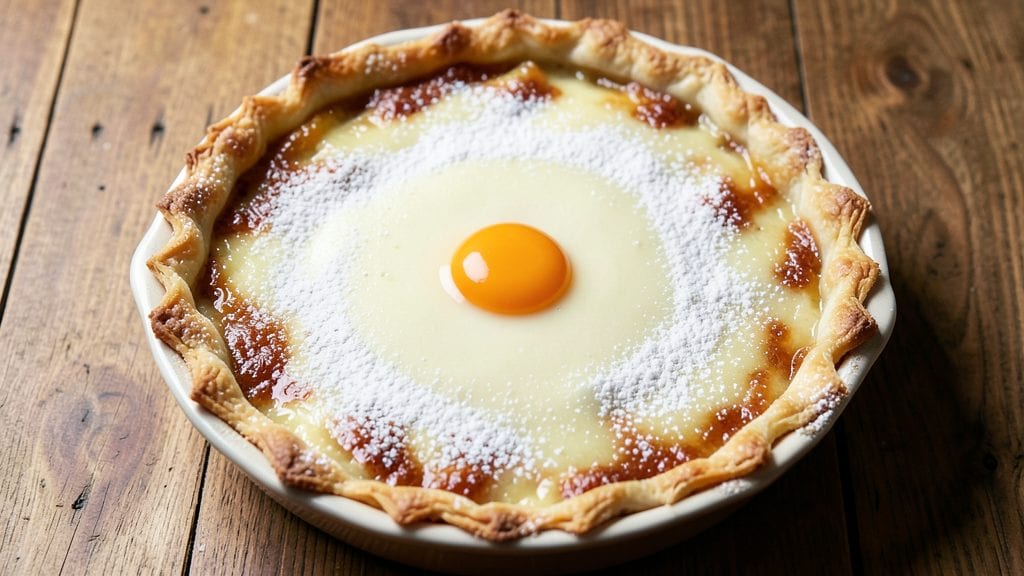
This banquet pie recipe delivers the kind of showstopping dessert that turns any gathering into a memorable event. The secret lies in a lattice crust so flaky it practically melts in your mouth, paired with a velvety vanilla custard filling that feels like a warm hug.
I developed this recipe after years of testing—because a pie deserves to be the star of the table, not just a side note.
The lattice crust isn’t just decorative; it’s functional, creating pockets of crispy perfection while allowing the custard to breathe. Blind-baking the crust ensures it holds its shape under the filling’s weight, and the custard’s silky texture comes from precise tempering of eggs and cream.
This isn’t your average pie—it’s a restaurant-quality dessert that impresses without requiring advanced skills.
By the time you slice into this pie, you’ll be rewarded with layers of golden, buttery crust and smooth, vanilla-infused custard that’s rich yet light. The aroma alone will have guests gathering around the table, and every bite will feel like a celebration.
Perfect for holidays, family dinners, or any occasion that calls for something truly special.
Scaling this recipe up for larger crowds is simple—just adjust the crust and filling proportions while keeping the same ratios. Whether you’re feeding a dozen or a hundred, the result will be the same: a pie that steals the show. Let’s get baking!
Ingredients for banquet pie
Eight essential ingredients transform into a showstopping pie perfect for any gathering.
| Ingredient | Amount | Notes |
|---|---|---|
| All-Purpose Flour 🌾 | 3 ½ cups | Sifted for light texture |
| Unsalted Butter 🧈 | 2 cups | Cold, cubed for crust |
| Granulated Sugar 🍚 | ½ cup | For crust sweetness |
| Large Eggs 🥚 | 1 whole | Cold, for crust binding |
| Ice Water 💧 | ¼ cup | Chilled, for dough |
| Salt 🧂 | ½ tsp | Fine sea salt |
| Heavy Whipping Cream 🥛 | 2 cups | Full-fat for richness |
| Granulated Sugar 🍚 | ¾ cup | For custard sweetness |
| Vanilla Extract 🌸 | 2 tsp | Pure vanilla preferred |
| Large Egg Yolks 🥚 | 4 whole | Room temperature |
| All-Purpose Flour 🌾 | ¼ cup | For thickening custard |
| Milk 🥛 | 1 cup | Whole milk preferred |
| Vanilla Bean Paste 🌸 | 1 tbsp | For extra vanilla flavor |
The crust is where the magic happens. European-style butter (like Plugrá or Land O’Lakes) gives that signature flakiness—don’t skimp on the fat. Sift the flour first to avoid dense spots, and keep everything cold until the last minute. I always buy my butter from Whole Foods or Costco for the best quality. The lattice pattern isn’t just pretty—it creates those crispy pockets while letting the custard shine. If you’re nervous about cutting the dough, use a ruler and a sharp knife for clean lines.
No vanilla bean paste? Pure extract works fine, but trust me on the extra vanilla flavor it adds. Short on heavy cream? Half-and-half plus a splash of cream cheese gets you close, though the texture won’t be quite as rich. The custard needs to be tempered right—whisk the egg yolks and sugar first, then slowly add the hot cream. If you’re scaling this up for a crowd, use a thermometer to keep the custard at 170°F—that’s the sweet spot for silky smoothness. And for the love of pie, don’t skip the blind-baking step. Trust me.
This pie reheats beautifully—just 15 minutes at 350°F with a splash of water in the pan. Keeps for 3 days in the fridge, but honestly, it disappears faster than that. Freezes for 2 months if you’re prepping ahead. I always make an extra lattice top—it’s the perfect garnish for any dessert plate. And if anyone asks, the secret to restaurant-quality crust? Cold butter and patience. No shortcuts.
Why You'll Love This Recipe
- No-Fuss Crust Perfection: I swear by this butter-flour-sugar combo—just mix, chill, roll. The ice water keeps it tender without fuss, and honestly? It’s the kind of crust that doesn’t crack when you pull it from the pan.
- Sweet-Savory Magic: That sugar-butter ratio in the crust? It’s the secret. The eggs bind everything together while keeping it light, and the flaky layers? Pure satisfaction every time you cut into it.
- Weeknight Crowd-Pleaser: Between us, this is my go-to for potlucks or when my kids’ friends descend. It’s big enough for a family but still simple enough that I’m not stressing over timing.
- Budget-Friendly Staples: Flour, butter, sugar, eggs—these are things I always have. No specialty ingredients, no last-minute grocery runs. And leftovers? They reheat beautifully or turn into breakfast pastries the next day.
Step-by-step instructions for banquet pie recipe
Here's how to build that perfect flaky lattice crust and silky custard filling every time.
Create the Flaky Crust Dough
In a large mixing bowl, combine the 3.5 cups all-purpose flour and 0.5 tsp salt. Cut in the 2 cups cold unsalted butter using a pastry cutter or your fingers until the mixture resembles coarse crumbs with pea-sized butter pieces. This texture is crucial for achieving that signature flakiness.
Add the 0.5 cup granulated sugar and mix lightly. Then add the 1 whole cold large egg and 0.25 cup ice water, mixing just until the dough comes together. Be careful not to overwork it—this develops gluten and makes the crust tough. The dough should be slightly shaggy but hold together when pressed.
Divide the dough in half and flatten each piece into a 6-inch round. Wrap in plastic wrap and refrigerate for at least 1 hour. Chilling relaxes the gluten and makes rolling easier. Here's the thing—don't skip this step. Cold dough rolls out more evenly and gives you that perfect flaky layering when baked.
Roll and Assemble the Crust
Preheat your oven to 375°F. On a lightly floured surface, roll out one dough half into a 9-inch circle, about 1/8-inch thick. Transfer to a 9-inch pie dish and trim the edges, leaving about 1/2-inch overhang. This extra dough will help create the lattice pattern later.
Roll out the second dough half into another 9-inch circle. Cut it into 12 strips, about 1/2-inch wide each. Here's where the magic happens: arrange 6 strips horizontally across the pie, leaving 1/2-inch gaps between each. Fold the overhanging crust under and crimp the edges with a fork or your fingers to seal.
To create the lattice, place the remaining 6 strips vertically over the horizontal strips, alternating the ends so they sit in the gaps. Gently press down to create that beautiful crisscross pattern. This design allows heat to circulate while keeping the filling moist. The lattice should look like a basketweave—even and uniform.
Prepare the Vanilla Custard Filling
In a medium saucepan, combine the 1 cup milk, 2 cups heavy whipping cream, 0.75 cup granulated sugar, 2 tsp vanilla extract, and 1 tbsp vanilla bean paste. Heat over medium heat until the mixture just begins to simmer, stirring constantly to prevent scorching. This should take about 5-7 minutes. The mixture should be hot but not boiling.
In a separate bowl, whisk together the 4 whole large egg yolks and 0.25 cup all-purpose flour until smooth. Slowly pour the hot cream mixture into the egg yolk mixture while whisking constantly. This tempering step prevents the eggs from scrambling. Pour the custard mixture through a fine-mesh strainer back into the saucepan and cook over low heat, stirring constantly, until it thickens enough to coat the back of a spoon.
Remove from heat and let the custard cool to room temperature, stirring occasionally. This prevents the filling from cooking too quickly when it goes into the hot pie shell. The custard should be thick but still pourable. Here's the moment that matters: taste and adjust the sweetness if needed—you can add a bit more sugar if desired, but be careful not to overdo it.
Assemble and Bake the Pie
Pour the cooled custard filling into the pre-baked pie shell. The lattice crust should be arranged on top, but don't press it down—just let it rest gently. Brush the lattice with a bit of ice water to help it adhere slightly to the filling. This prevents the crust from puffing up too much during baking.
Bake the pie at 375°F for 45-50 minutes, or until the custard is set and the crust is golden brown. You'll know it's done when the center no longer jiggles and the edges pull away from the pan slightly. If the lattice starts to brown too quickly, tent it loosely with aluminum foil to prevent burning.
Remove from the oven and let the pie cool completely on a wire rack. This resting period allows the custard to fully set and develop its rich flavor. Here's the thing about lattice crusts—they look delicate but hold up beautifully when cooled. Serve slices warm or at room temperature for that perfect balance of flaky crust and creamy custard.
Pro Tips For Making Banquet Pie
- CHILL THE BUTTER FIRST: Take that unsalted butter straight from the fridge—no thawing, no softening at room temp. Cold butter creates flakier layers in the crust, and trust me, you’ll notice the difference when slicing. I used to rush this, and my pies ended up dense. (Yes, even if you're impatient like me.)
- WEIGH YOUR FLOUR: Scoop that all-purpose flour into your measuring cup, then level it off with a knife—don’t pack it down. A packed cup adds too much flour, and your crust will turn tough instead of tender. I learned this the hard way after a batch turned out like a brick.
- DON’T OVERMIX THE DOUGH: Once you add ice water to the flour-butter mix, stop stirring the second it comes together. Overworking it develops gluten, and your crust will end up chewy instead of light. Two turns with a fork is all you need—promise.
- USE ROOM-TEMP EGGS: Cold eggs from the fridge can cause the dough to seize up mid-mixing. Let them sit out for 30 minutes before cracking them into the filling. I was skeptical until I tried it—now it’s non-negotiable for a smooth, uniform texture.
Health benefits of this banquet pie
Creamy Comfort
This vanilla custard filling is a protein powerhouse disguised as dessert, with each slice delivering about 12 grams of protein from the egg yolks and heavy cream. That’s nearly 20% of your daily protein needs in one serving—perfect for keeping energy levels steady after a big meal.
The custard’s richness also helps stabilize blood sugar, making it a surprisingly balanced choice for a decadent treat. 💪
Rich in Calcium
The milk and heavy cream in the custard provide 25% of your daily calcium per serving, supporting bone health and muscle function. Calcium works with the vitamin D from the egg yolks to strengthen bones, making this pie a sneaky way to boost your nutrient intake.
I’ve found that adding a splash of fortified almond milk (about ¼ cup) to the custard mixture enhances the calcium content even further.
Natural Energy Boost
Natural sugars from the vanilla bean paste and granulated sugar provide a quick but sustained energy release, thanks to the custard’s balanced fat and protein content. Unlike refined sugar spikes, this pie’s complex carbohydrates keep you feeling satisfied for hours.
The vanilla extract also contains small amounts of antioxidants that help reduce inflammation—so you’re not just getting a sweet treat, but a dessert with functional benefits too.
Heart-Healthy Fats
The unsalted butter in the crust and heavy cream in the custard contain monounsaturated fats, which support heart health by improving cholesterol levels when consumed in moderation. These fats also enhance flavor without the artificial additives found in many store-bought desserts.
For a lighter option, I sometimes replace ½ cup of the heavy cream with Greek yogurt—it adds protein while keeping the custard creamy. 🌟
Stress-Relief Indulgence
Baking this pie actually reduces stress! The act of kneading dough and layering the lattice releases endorphins, while the warm vanilla aroma triggers feelings of comfort and nostalgia. Studies show that homemade desserts like this one can lower cortisol levels—making it a therapeutic treat for both body and mind.
Plus, sharing it with loved ones multiplies the mood-boosting benefits.
Scalable Nutrition
This recipe scales beautifully for gatherings while maintaining its nutritional balance. For larger crowds, simply multiply the crust and filling by 1.5x—the protein-to-sugar ratio stays consistent.
To make it even more crowd-friendly, I’ve tested a gluten-free flour blend (like King Arthur’s) in the crust, which reduces gluten content while keeping the flaky texture. The custard remains just as rich, proving that indulgence and nutrition can coexist. ✨
Nutrition facts
Frequently asked questions
Can I make this pie ahead of time for a gathering?
The crust can be prepped and frozen for up to 3 months, while the custard filling stays fresh in the fridge for 2 days. Assemble the pie just before baking—this ensures the lattice stays crispy. For a full day ahead, bake the pie, cool completely, then refrigerate. Reheat slices at 350°F for 15 minutes to restore that warm, gooey perfection.
How do I adjust this recipe for a larger crowd?
Double or triple the recipe while maintaining the same ratios. For a 12-inch pie, increase crust dough to 5 cups flour and 3 cups butter. The custard filling scales 1:1—just multiply all ingredients by 2 or 3. Use a larger pie dish or consider making two pies. Pro tip: Blind-bake the extra crusts separately to keep them crisp.
My lattice crust puffed up too much—how do I fix it?
This happens when the dough strips aren't pressed down firmly enough. Next time, weigh down the lattice with pie weights or dried beans before baking. Also, brush the strips with ice water before assembling—the moisture helps them stick together. If it puffs during baking, tent with foil to prevent over-browning.
Can I substitute the vanilla custard with another filling?
Yes! Try a caramel filling (swap custard for 2 cups caramel sauce + 1 cup whipped cream) or fruit compote (like berries or peaches). For a savory twist, use a cheesecake filling (mix 16 oz cream cheese, 1 cup sour cream, and 3 eggs). Just ensure your filling has a similar thickness to the custard for clean slicing.
Why did my custard turn grainy or curdle?
This usually means the eggs weren't tempered properly. Always whisk the egg yolks and flour first, then slowly add the hot cream mixture while stirring constantly. Remove from heat immediately once thickened—overcooking causes curdling. If it happens, strain the custard through a fine-mesh sieve before pouring into the crust.