Desserts
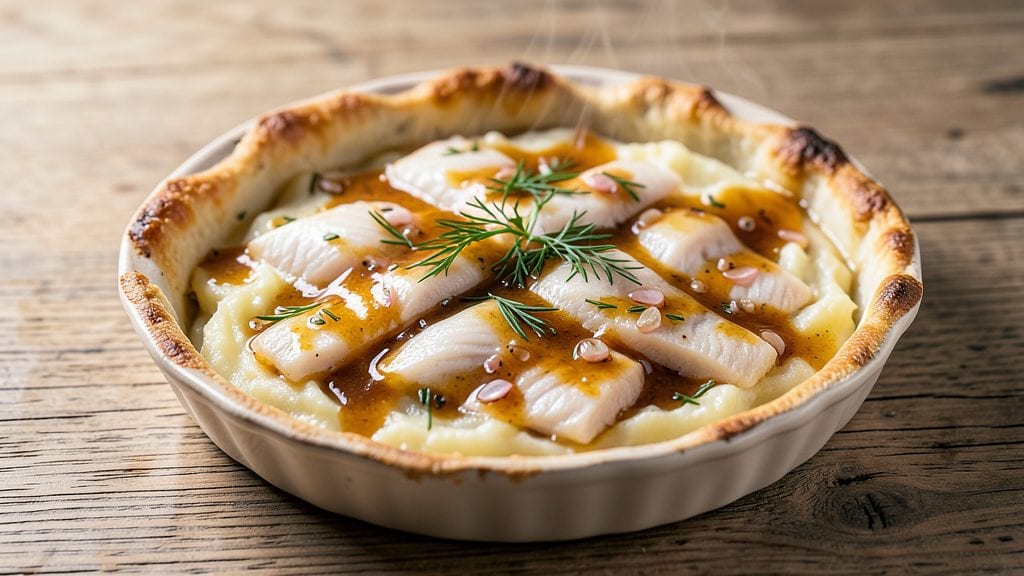
This basic fish pie recipe delivers the comforting combination of tender flaky fish, velvety mashed potato topping, and rich cream sauce—all baked to golden perfection. The secret lies in using fresh white fish fillets that flake easily, creating a luxurious filling that pairs beautifully with the creamy mashed potato crown.
I developed this recipe to bring restaurant-quality comfort food to home kitchens, ensuring every bite is both satisfying and elegant.
The foundation of this dish is a simple yet flavorful filling made with flaked fish, a creamy sauce, and just the right balance of seasonings. The mashed potato topping isn’t just for decoration—it’s the star, baked until golden and crispy around the edges while remaining tender inside.
This recipe is designed to be foolproof, making it perfect for both seasoned cooks and beginners looking to master a classic dish.
By the time you pull this pie from the oven, you’ll have a dish that’s creamy, flaky, and impossible to resist—steaming hot with that irresistible aroma of melted cheese and buttery mashed potatoes.
The texture contrast between the tender fish filling and the crispy potato topping makes every forkful worth savoring. This is the kind of recipe that transforms a simple weeknight dinner into something truly special.
Serve this fish pie with a side of steamed green beans or a crisp salad to complete the meal. The leftovers reheat beautifully, making it an ideal dish for meal prep or feeding a crowd. Let’s get started on creating this comforting classic!
Ingredients for basic fish pie
Fresh fish, velvety potatoes, and aromatic herbs—this list brings restaurant-quality fish pie to your kitchen.
| Ingredient | Amount | Notes |
|---|---|---|
| White Fish Fillets 🐟 | 1 ½ lb | Cod, haddock, or pollock preferred |
| Russet Potatoes 🥔 | 2 lbs | Yukon gold for creamier texture |
| Heavy Whipping Cream 🥛 | 1 cup | Full-fat for richest texture |
| Unsalted Butter 🧈 | ½ cup | Cold for flaky mashed potatoes |
| Milk 🥛 | ½ cup | Whole milk preferred |
| Shallots 🧅 | 2 whole | Minced for delicate flavor |
| Garlic Cloves 🧄 | 3 cloves | Minced for aromatic base |
| Fresh Dill 🌿 | ¼ cup | Chopped, for bright flavor |
| Lemon Juice 🍋 | 2 tbsp | Freshly squeezed |
| Dijon Mustard 🍯 | 1 tbsp | For subtle tang |
| Sharp Cheddar Cheese 🧀 | 1 cup | Shredded, for topping |
| Panko Breadcrumbs 🍞 | ½ cup | For crispy topping |
| Salt 🧂 | 1 ½ tsp | Kosher or sea salt |
| Black Pepper 🌶️ | ½ tsp | Freshly ground preferred |
| Olive Oil 🫒 | 2 tbsp | For sautéing shallots |
The fish is non-negotiable for texture. Opt for fresh, skinless fillets like cod or haddock—they flake perfectly when cooked. Whole Foods or local seafood markets carry the best quality, but any reputable grocery store’s frozen section works in a pinch. Look for fillets with a clean, ocean-like scent and firm texture. The potatoes should be starchy, not waxy—Russets or Yukon Golds are ideal. Pre-peel and cube them before boiling to save time later. For the cream sauce, heavy whipping cream is essential—light cream won’t give that luxurious finish. If you’re feeling fancy, swap the dill for a mix of dill and chives for extra brightness.
No fresh dill? Dried dill at one-third the amount works, but it lacks that fresh pop. Short on shallots? One small yellow onion, finely diced does the trick. The mustard adds depth—if you’re avoiding it, a splash of white wine vinegar in the sauce can mimic the tang. For the cheese topping, sharp cheddar melts beautifully, but Gruyère or Parmesan add gourmet flair. The breadcrumbs should be Panko-style for extra crispiness, but regular breadcrumbs toasted in the oven work too. If you’re prepping ahead, par-cook the fish filling and store it separately from the mashed potatoes to keep everything fresh.
This pie reheats beautifully—just cover with foil and warm in the oven at 375°F for 15-20 minutes. Leftovers keep for 3-4 days in the fridge, though the texture softens slightly. For freezing, assemble the pie, bake as directed, then cool completely before wrapping tightly in foil. It’ll stay good for up to 2 months. The mashed potatoes can be prepped ahead and reheated with a splash of milk to restore creaminess. If making for a crowd, double the recipe—the extra effort is worth the second helping.
Why You'll Love This Recipe
- One-Pan Magic: I swear by this recipe when I’m too tired to scrub pots—just boil the potatoes, flake the fish, and dump everything onto a sheet pan. The cream and butter melt into a silky blanket over flaky fish and tender spuds, all while I wipe one pan and call it a night.
- Creamy Crispy Perfection: That golden crust on top? Pure magic. The butter and cream create a velvety sauce that clings to the fish, while the potatoes soak it up like a sponge. Honestly, the first time I bit into it, I nearly dropped my fork—it’s that good.
- Leftover Goldmine: Between us, this pie tastes better the next day. The flavors meld, the texture improves, and it reheats like a dream. I make a double batch on Sundays so I can grab a slice straight from the fridge for lunch—no fuss, no reheating drama.
- Budget-Friendly Luxury: White fish and potatoes are cheap, but this dish feels fancy. A few extra minutes of browning the butter and adding a pinch of lemon zest turns simple ingredients into something that’ll impress guests—or at least make me feel like I did. (Yes, even on a Tuesday night.)
Step-by-step instructions for basic fish pie recipe
A perfect balance of flaky fish and velvety mashed potatoes—this method delivers restaurant-quality results.
Prepare the Flaky Fish Filling
Preheat your oven to 375°F. Pat the 1.5 lb white fish fillets completely dry with paper towels—this ensures they stay crispy rather than steaming. Place the fillets in a greased baking dish and season generously with 1 tsp salt and 0.25 tsp black pepper. Drizzle evenly with 2 tbsp lemon juice and 1 tbsp Dijon mustard, then sprinkle with 0.125 cup chopped fresh dill. The acidity from the lemon and mustard keeps the fish tender while adding brightness.
Bake the fish for 12-15 minutes until it flakes easily with a fork and turns opaque. You'll know it's done when the edges just begin to lift slightly from the dish. Remove from the oven and let cool for 5 minutes—this prevents the filling from breaking apart when you add the mashed potatoes later.
Create Ultra-Smooth Mashed Potatoes
While the fish bakes, peel and chop the 2 lbs russet potatoes into 1-inch chunks. Boil them in salted water for 15-20 minutes until fork-tender. Drain thoroughly and return to the pot. Let them steam dry for 1 minute to remove excess moisture—this is crucial for light, fluffy mashed potatoes.
Add the 0.5 cup cold unsalted butter and 0.5 cup milk to the hot potatoes. Mash vigorously with a potato masher or ricer until completely smooth. Stir in the 1 cup heavy whipping cream, remaining 0.5 tsp salt, and 0.25 tsp black pepper. The cream should create a rich, velvety texture without making the potatoes gluey. Taste and adjust seasoning—fish pie needs a balance of saltiness and creaminess.
Build the Creamy Top Layer
In a small skillet, heat 2 tbsp olive oil over medium heat. Add the 2 minced shallots and cook for 3-4 minutes until soft and translucent. Add the 3 minced garlic cloves and cook for 30 seconds until fragrant—don't let them brown or they'll turn bitter. Remove from heat and stir in the 0.125 cup chopped fresh dill and 1 cup shredded sharp cheddar cheese until melted and smooth.
Spread half of the mashed potato mixture evenly over the baked fish. Top with the shallot-cheese mixture, then add the remaining mashed potatoes. Use a fork to create peaks and swirls—this creates a golden, crispy crust when baked. Sprinkle the 0.5 cup panko breadcrumbs evenly over the top for extra crunch.
Bake to Golden Perfection
Return the pie to the oven and bake for 20-25 minutes until the top is deep golden brown and the breadcrumbs are crispy. The internal temperature should reach 165°F when checked in the center of the potato layer. If the top browns too quickly, tent loosely with foil for the last 5 minutes of baking.
Remove from the oven and let rest for 10 minutes before serving. This resting time allows the filling to set slightly, making it easier to slice without falling apart. The crust should be crispy on top while remaining creamy underneath, with flaky fish peeking through in perfect harmony.
Pro Tips For Making Basic Fish Pie
- Boil Potatoes Until Fork-Tender: Russets should break apart like butter when pierced—no one likes a gummy mash. I used to pull them too soon, and the pie turned soggy. Test one: if it slides off the fork in one piece, keep boiling 2-3 more minutes. (Yes, even if you’re impatient like me.)
- Salt the Fish First: Season white fish fillets before cooking—no one wants bland flakes hidden under cream. Use about ½ teaspoon salt per fillet and let them sit 10 minutes while you prep the potatoes. The seasoning clings better, and the flavor isn’t drowned out by the sauce later.
- Skip the Overmixing Cream: Whisk the cream-milk-butter mix just until smooth—lumps make a real difference. I learned this the hard way after blending mine into a gluey mess. A few strokes with a fork is enough; the heat will finish the job without turning it into paste.
- Bake Until Golden, Not Just Bubbly: The crust’s color tells the real story—aim for deep golden, not pale. I used to pull pies too soon, and they’d taste undercooked. Bake 10-15 minutes past the recipe’s time, checking the center with a thermometer (160°F). The crust’s the only thing that’ll save a dry pie.
Dietary considerations for basic fish pie
Gluten-Free Adaptation
Replace the traditional mashed potato topping with a gluten-free potato crust using 1 cup gluten-free flour blend (like Bob’s Red Mill 1:1) mixed with ½ cup panko-style gluten-free breadcrumbs. Whisk with 1 egg and 2 tbsp melted butter, then spread over the fish filling.
For extra richness, fold ¼ cup shredded mozzarella into the crust mixture before baking. 🌱
Dairy-Free Options
Swap the heavy whipping cream for 1 cup full-fat coconut milk (canned, well-shaken) to maintain creaminess without dairy. Use dairy-free butter (like Miyoko’s) for the mashed potatoes and nutritional yeast (2 tbsp) to add a cheesy flavor to the topping.
For the cheese layer, opt for dairy-free shredded cheddar (Violife or Follow Your Heart brands work well).
Lower-Carb Potato Substitute
Replace half the potatoes with cauliflower mash for a lower-carb version. Steam 2 cups cauliflower florets until tender, then blend with 2 tbsp dairy-free butter and ¼ cup unsweetened almond milk until smooth.
Mix this with the mashed potatoes in a 1:1 ratio to reduce carbs while keeping the creamy texture. The result is a lighter, still-satisfying pie. 🥬
Allergen-Friendly Fish Choices
For shellfish allergies, stick to cod, haddock, or pollock—these are naturally low-risk. If you’re avoiding all dairy, use aquafaba (chickpea brine) as a binder for the crust instead of eggs.
For nut-free kitchens, ensure all breadcrumbs and cheeses are certified nut-free. I always double-check labels on pre-shredded cheeses, as some brands process with nuts. 🐟
Vegetarian Twist
Replace the fish with chickpeas for a vegetarian version. Simmer 1.5 cups cooked chickpeas with 1 tbsp lemon juice, 1 tbsp olive oil, and ½ tsp smoked paprika until heated through.
Use this as the base layer, then proceed with the mashed potato topping as directed. The chickpeas absorb the flavors beautifully, creating a hearty, plant-based pie. 🌱
Nutrition facts
Frequently asked questions
Can I use frozen fish for this recipe?
Yes, but thaw it completely first in the refrigerator for 24 hours or use the quick method: seal the frozen fish in a leak-proof bag and submerge in cold water for 30-45 minutes. Never microwave frozen fish—it creates uneven cooking. Pat it thoroughly dry before seasoning to ensure crispiness.
What if my mashed potatoes turn out gluey?
Gluey potatoes happen when excess moisture isn't removed. Fix it by adding 1 tbsp cold butter or 1 tbsp flour to absorb moisture, then re-mash gently. For prevention, steam the drained potatoes dry for 1 full minute before mashing and avoid overworking them. The cream should be added last, not during boiling.
How do I make this recipe ahead of time?
Prepare the fish filling and mashed potatoes separately up to 2 days ahead. Store in airtight containers in the fridge. Assemble the pie just before baking—this prevents sogginess. For make-ahead baking, assemble the pie (unbaked) and refrigerate for up to 12 hours, then bake straight from cold at 375°F for 30-35 minutes.
Can I substitute puff pastry for the mashed potato topping?
Use 1 sheet thawed puff pastry instead of the mashed potato layer. Spread it over the baked fish, brush with melted butter, and sprinkle with ½ cup panko and ½ cup shredded cheese. Bake for 15-20 minutes until golden. This adds a flaky, buttery contrast that works beautifully with the creamy filling.
Why did my fish pie turn out watery?
Watery pies usually result from overcooked fish or excess moisture in the mashed potatoes. Ensure your fish is cooked just until flaky (12-15 minutes) and drain potatoes thoroughly. For extra insurance, press a paper towel over the mashed potatoes before adding the top layer to absorb any remaining moisture.