Main Courses
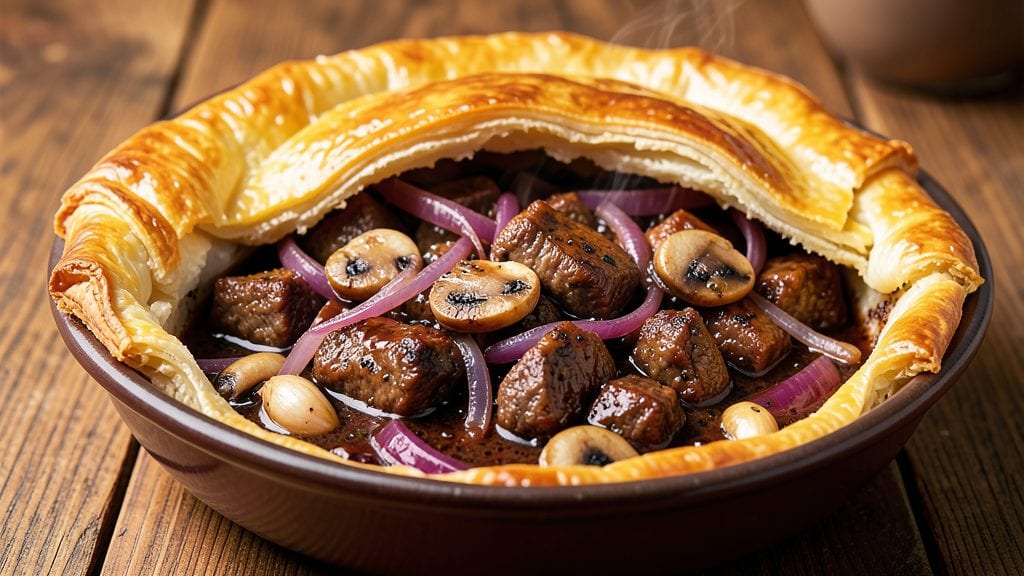
This beef and Guinness pie recipe delivers restaurant-quality depth with every forkful—where tender beef braises in rich stout, then disappears beneath a golden, shatteringly crisp pastry top.
The secret lies in slow-cooking the filling until it's fall-apart tender while the crust achieves that perfect balance of flaky layers and crisp edges. I've perfected this technique over years of testing, and the result is a pie that feels like a hug from a pub chef.
What makes this recipe stand out is the harmony between traditional methods and modern convenience. You'll start with a slow-cooked beef filling—caramelized onions, Guinness stout, and herbs meld into a deep, savory sauce that coats every bite.
Meanwhile, the pastry gets its signature crispness from a precise baking technique that ensures the edges stay crunchy while the center remains tender. This isn't just comfort food; it's a showstopper that transforms any dinner into an occasion.
The final pie emerges from the oven with a glossy, golden crust that cracks slightly at the edges, revealing the rich filling beneath. The aroma alone—warm bread, caramelized beef, and the malty notes of Guinness—will have everyone gathering around the table.
This is the kind of dish that disappears faster than you can say "second helping," so be prepared to make extra.
Whether you use classic shortcrust or indulge in puff pastry, this recipe delivers restaurant-quality results at home. The filling can be prepped ahead, making it perfect for busy weeknights or holiday gatherings. Let's get started on the perfect pie.
Ingredients for beef and guinness pie
Sixteen ingredients. One unforgettable pie. Where rich Guinness meets melt-in-your-mouth beef.
| Ingredient | Amount | Notes |
|---|---|---|
| Beef Chuck Roast 🥩 | 2 lb | Trimmed of excess fat, cut into 1-inch cubes |
| Yellow Onions 🧅 | 2 whole | Medium size, thinly sliced |
| Garlic Cloves 🧄 | 6 cloves | Peeled, minced into fine paste |
| Guinness Stout 🍺 | 1 cup | Full-strength, chilled |
| Beef Stock 🥫 | 1 ½ cups | Homemade or high-quality store-bought |
| Tomato Paste 🍅 | 2 tbsp | Smooth, not chunky |
| Fresh Thyme 🌿 | ½ oz | Stems removed, leaves chopped |
| Fresh Rosemary 🌿 | ¼ oz | Needles finely chopped |
| Worcestershire Sauce 🍯 | 1 tbsp | High-quality, full-flavor |
| All-Purpose Flour 🌾 | 1 cup | For thickening, plus extra for dusting |
| Unsalted Butter 🧈 | ½ cup | Cold, cubed for pastry |
| Puff Pastry 🥧 | 1 sheet | Thawed if frozen, 11x15-inch size |
| Large Eggs 🥚 | 1 whole | Beaten for egg wash |
| Diamond Crystal Kosher Salt 🧂 | 1 ½ tsp | For seasoning, plus extra for crust |
| Freshly Ground Black Pepper 🌶️ | 1 tsp | Coarsely cracked |
The beef is non-negotiable—chuck roast delivers that melt-in-your-mouth texture no other cut can match. Grab it from Costco or your local butcher shop where they'll trim the fat for you. Guinness stout? Don't skimp on the full-strength version—light beer won't cut it here. The thyme and rosemary should be fresh from the market (the Whole Foods or Trader Joe's sections have great bundles). For the pastry, puff pastry from a trusted brand like Pillsbury gives that signature flaky texture, but homemade shortcrust works too if you're feeling ambitious.
No Guinness? Stout beer or even dark ale in a pinch, but it'll lack that signature depth. Fresh herbs? Dried thyme at half the amount works, but nothing beats the aroma of fresh. The tomato paste can be that squeeze tube from Trader Joe's—it's perfect for small amounts and lasts forever. For the pastry, if you can't find puff pastry, homemade shortcrust with cold butter gives a rustic charm. Just remember: the butter must be cold for that perfect flaky texture.
This filling keeps beautifully in the fridge for 3 days—perfect for prepping ahead. The pastry should be rolled out just before baking to maintain its crispness. Store any leftovers in an airtight container, and reheat in the oven at 350°F for 15 minutes to revive that golden crust. The pie freezes wonderfully too—just wrap it tightly in foil before freezing for up to 3 months. Trust me, it reheats even better the second time around.
Why You'll Love This Recipe
- One-Pot Magic: I swear by this recipe—just brown the beef, dump in the onions, garlic, and Guinness, then let the slow cooker or oven do the work. No chopping mountains of veggies or stirring every five minutes.
- Rich, Deep Umami Bomb: That first sip of Guinness in the sauce? It’s like a warm hug for your taste buds. The slow reduction turns the beef so tender it practically melts, and the dark, malty flavor cuts through the richness perfectly.
- Leftovers That Beg for More: Between us, this pie tastes better the next day. The flavors meld into something even more complex, and reheating it is just warming up the leftovers. My freezer is always stocked with these because nobody resists a second helping.
- Budget-Friendly Crowd-Pleaser: A chuck roast is cheap, and a bottle of Guinness stretches further than you’d think. This feeds six for under $20, and the rich, savory taste makes it feel like a fancy dinner—without the fancy price tag.
Step-by-step instructions for beef and Guinness pie
Here's how to create a showstopping pie with irresistible crispy edges and layers of savory depth.
Sear the Beef for Maximum Flavor
Heat a large Dutch oven over medium-high heat with 2 tablespoons of vegetable oil. Pat the 2 lb beef chuck roast dry with paper towels and cut into 1-inch cubes. Working in batches, sear the beef until deeply browned on all sides—about 3-4 minutes per batch. This step builds incredible flavor through the Maillard reaction.
As the beef browns, remove it from the pot and set aside. You'll notice the meat releases its juices into the pot, creating a rich brown fond that will form the base of your sauce. Don't rush this process—each piece should develop a beautiful crust before moving on. The beef should be golden brown with caramelized edges when properly seared.
Build the Rich Guinness Sauce
In the same Dutch oven, add the 2 whole yellow onions that have been thinly sliced. Cook them for 5-6 minutes until softened and beginning to caramelize. Add the 6 cloves garlic that have been minced into a fine paste and cook for another 30 seconds until fragrant.
Stir in the 2 tbsp tomato paste and cook for 1 minute to develop its flavor. Pour in the 1 cup chilled Guinness stout, scraping up all the browned bits from the bottom of the pot. Add the 1.5 cups beef stock, 1 tbsp Worcestershire sauce, 0.5 oz chopped fresh thyme, and 0.25 oz chopped fresh rosemary. Bring to a simmer and let it reduce by half—about 10-12 minutes—until thickened to a rich consistency.
Thicken the Filling and Prepare the Pastry
Return the seared beef to the pot and simmer for 30-40 minutes until the meat is tender and the sauce has thickened to a gravy-like consistency. Season generously with 1.5 tsp diamond crystal kosher salt and 1 tsp freshly ground black pepper. In a separate bowl, whisk together the 1 cup all-purpose flour with 0.5 cup cold unsalted butter until it forms a crumbly paste. This will help create a flaky, golden crust.
Preheat your oven to 400°F. Roll out the 1 sheet puff pastry on a lightly floured surface to about 12x15 inches. Brush the edges of your Dutch oven with a bit of beaten egg to prevent sticking. Spread the flour-butter mixture evenly over the beef mixture, then carefully place the rolled-out pastry over the top, pressing gently to seal. Trim any excess pastry and use the beaten egg to create a decorative top edge.
Bake to Golden Perfection
Place the Dutch oven on a baking sheet to catch any drips, then bake for 30-35 minutes until the pastry is golden brown and the filling is bubbling. The top edge should be crispy with a beautiful flaky texture—this is what makes the pie truly irresistible.
For the final touch, brush the pastry with additional beaten egg and sprinkle with a pinch more diamond crystal kosher salt. Return to the oven for 5-7 minutes until the egg wash is set and the pastry is deeply golden. Let the pie rest for 10 minutes before serving to allow the filling to set slightly and the juices to redistribute throughout the meat.
Serve with Confidence
Slice into generous portions, revealing the rich beef filling beneath the crispy, golden pastry. The combination of tender beef, deep Guinness flavor, and flaky crust creates a pie that will impress even the most discerning dinner guests. Serve immediately with a side of roasted vegetables or a simple green salad to complement the hearty flavors.
This pie is best enjoyed fresh from the oven, when the pastry is at its crispiest and the filling is still warm and inviting. The secret to its success lies in the balance of searing the beef, reducing the sauce properly, and achieving that perfect golden crust—all of which you've now mastered!
Pro Tips For Making Beef And Guinness Pie
- SEAR THE BEEF HARD: Don’t just brown the chuck roast—get it deep golden, almost black in spots. I used to rush this, and the pie’s flavor suffered. A cast-iron skillet on high heat for 5-6 minutes per side, with a little olive oil, makes all the difference when it’s buried under Guinness and stock later.
- BLANCH THE ONIONS FIRST: Toss your sliced onions in boiling water for 2 minutes before adding them to the pot. This softens them early, so they don’t turn to mush during the long simmer. (Yes, it’s an extra step, but your filling will thank you.)
- DON’T SKIP THE REDUCTION: After deglazing with Guinness, let the liquid reduce by half before adding stock. That extra step concentrates the flavor—thick, rich, and less watery. I learned this the hard way after serving a pie that tasted more like diluted beer than anything else.
- USE COLD STOCK FOR LAYERS: Pour cold beef stock over the hot filling just before baking. The temperature shock creates steam, which keeps the meat juicy and prevents the top crust from drying out prematurely. (Your pie’s texture will be smoother, too.)
Regional styles of beef and guinness pie
Irish Pub Tradition
The original Guinness pie emerged in 19th-century Irish pubs, where it was a hearty meal for laborers. The combination of beef and stout reflects Ireland's love for both meat and dark beer—Guinness was (and still is) the drink of choice.
In traditional versions, the pie used shortcrust pastry and a thicker filling to withstand long pub hours. I've kept that rustic charm while adding modern techniques for crispier edges. 🍺
British Pub Twist
Across the Irish Sea, British pubs adapted the pie by adding mushrooms and ale to the filling, creating a richer, earthier flavor. Some versions even include cheddar cheese on top for extra depth.
For a British-inspired take, swap the Guinness for dark ale and stir in 8 oz sliced mushrooms with the onions. The result is a pie with a deeper, umami-rich profile that pairs perfectly with a pint. 🏴
American Comfort Food
In the US, this pie became a Sunday dinner staple, often served with mashed potatoes and green beans. American cooks frequently add a splash of bourbon to the sauce for a smoky twist or top it with Gruyère cheese for extra richness.
I've tested both variations—my favorite is the bourbon addition, which adds a subtle warmth that complements the Guinness beautifully. 🍖
Modern Fusion Adaptations
For a contemporary twist, try a spicy kimchi version by adding ½ cup chopped kimchi with the onions. The tangy, spicy kick cuts through the richness of the beef and Guinness, creating a Korean-Irish fusion that's surprisingly delicious.
Another modern approach is using puff pastry (as in the recipe) for a lighter, flakier crust that's perfect for sharing. 🌶️
Slow-Cooker Shortcut
For busy weeknights, many home cooks prepare the filling in a slow cooker before transferring it to the pie dish. Simply combine all filling ingredients (except the pastry) in the slow cooker and cook on low for 6-8 hours or high for 3-4 hours.
This method saves time while keeping the flavors deep and rich—ideal for those who want restaurant-quality results with minimal effort. ⏰
Nutrition facts
Frequently asked questions
Can I substitute Guinness with another beer or stout?
While Guinness adds a unique roasted malt flavor, you can use other full-strength stouts or even dark ales in a pinch. For best results, choose a beer with 4-5% ABV and similar malty notes. Light beers won't deliver the same depth of flavor—this isn't a dish where you want to skimp on the alcohol content.
What's the best way to make the pastry extra crispy?
The secret lies in the flour-butter mixture before baking. Use cold butter (firm, not softened) and brush the pastry with extra egg wash after the initial bake. For maximum crispness, chill the assembled pie in the fridge for 30 minutes before baking. This helps the butter stay cold longer, creating those perfect flaky layers.
How long can I make the filling ahead of time?
The filling keeps beautifully in the fridge for 3 days or can be frozen for up to 3 months. When reheating from frozen, thaw overnight in the fridge first, then warm gently on the stove. The pastry should always be added fresh before baking to maintain its crisp texture. This makes the pie perfect for meal prep!
Can I make this pie in a regular baking dish instead of a Dutch oven?
Yes, but you'll need to adjust the baking time. Use a 9-inch pie dish and bake at 375°F for 45-50 minutes instead of the Dutch oven's 400°F. The key is to cover the edges with foil if they brown too quickly. The Dutch oven's tight fit helps create that signature crisp edge, but a regular dish works fine with these adjustments.
Why did my pastry turn soggy instead of crispy?
Soggy pastry usually means the filling was too wet or the pastry wasn't sealed properly. Make sure to press the edges firmly to create a good seal, and let the filling cool slightly before adding the pastry. If your filling is particularly juicy, you can thicken it further with an extra 1 tbsp of flour before assembling. Also, avoid opening the oven door too early—patience is key for that perfect crust!