
Main Courses
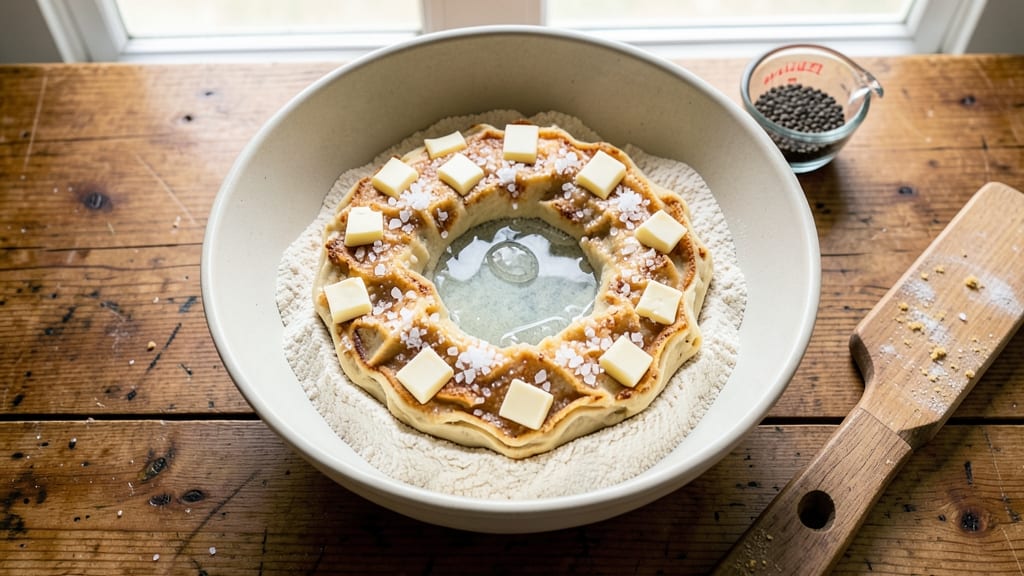
Creating flaky beef pie dough that locks in rich, savory juices starts with the right technique—cold butter, precise folding, and patience. This recipe delivers a crust so tender it practically melts in your mouth while maintaining structure to hold hearty beef fillings.
The secret lies in keeping everything cold until the final moment, ensuring those signature layers that separate home cooks from professionals.
What sets this beef pie apart is the balance between a sturdy crust and delicate flakiness. We'll use a standard pie dough formula with a few key adjustments: chilled butter cut into small pieces, minimal handling of the dough, and a blind-baking step to prevent sogginess.
The beef filling—tender chunks simmered in a rich gravy—gets layered between two perfect crusts for maximum flavor in every bite.
By the time you slide this pie from the oven, you'll have golden, crisp edges and a flaky interior that shatters with each forkful. The beef inside stays moist and flavorful, perfectly complementing the buttery crust.
This isn't just a pie; it's a showstopper that transforms ordinary weeknights into special occasions without requiring advanced skills.
The best part? This recipe builds on classic techniques while offering flexibility for customization. Swap the beef for chicken or mushrooms, or adjust the seasoning to suit your taste. Whether you're serving it to family or impressing guests, the results will speak for themselves—crisp, flaky, and impossible to resist.
Ingredients for beef pie dough
Cold butter, precise folding, and patience create the perfect flaky beef pie dough foundation.
| Ingredient | Amount | Notes |
|---|---|---|
| All-Purpose Flour 🌾 | 3 ½ cups | Sifted for light texture |
| Cold Unsalted Butter 🧈 | 1 ½ cups | Cut into 1/2-inch cubes, frozen 20 mins |
| Ice Water 💧 | ½ cup | Chilled for precise control |
| Diamond Crystal Kosher Salt 🧂 | 1 ½ tsp | Fine grain preferred |
| Granulated Sugar 🍚 | 1 tbsp | Balances saltiness |
| Ground Black Pepper 🌶️ | ½ tsp | Freshly cracked |
| Apple Cider Vinegar 🍎 | 1 tbsp | Enhances flakiness |
| White Wine (optional) 🍷 | 1 tbsp | Dry variety preferred |
| Beef Filling (prepared) 🥩 | 4 cups | Tender beef chunks with gravy |
| Egg Yolk (for egg wash) 🥚 | 1 whole | For golden crust |
| Coarse Sugar (for topping) 🍚 | 1 tbsp | Decorative finish |
| Pie Weights or Dried Beans 🥫 | 2 cups | For blind baking |
| Cornstarch (for dusting) 🌾 | 2 tbsp | Prevents sticking |
The butter is non-negotiable—use European-style unsalted butter like Plugrá or Kerrygold for maximum flakiness. Cut it into 1/2-inch cubes and freeze for 20 minutes before mixing to keep everything cold. King Arthur or Bob's Red Mill flour works best for pie dough—avoid bleached flour. The ice water is crucial; use chilled water from the fridge to prevent melting. For extra insurance, place your mixing bowl in the freezer for 10 minutes before combining ingredients. This isn't just any pie dough—it's the kind that makes your beef filling taste like it came from a five-star restaurant.
No ice water? Freeze your measuring cup for 10 minutes to chill the water. Short on butter? Use lard at half the amount for a richer flavor, though it'll be less flaky. The vinegar and optional wine add depth—skip them if you're making a savory version, but they're worth it for that restaurant-quality taste. For the beef filling, pre-cook your beef with aromatics (onions, garlic, thyme) before assembling the pie. The gravy should be thick enough to coat the back of a spoon but still pour smoothly. And trust me on the egg wash—beat just the yolk with a splash of water for that perfect golden finish.
This dough needs to stay cold until the last moment—keep it wrapped in plastic in the fridge for up to 2 days or freeze for 3 months. For the blind-baking step, use pie weights or dried beans covered with parchment paper to prevent sogginess. The filling can be prepped ahead and refrigerated for 24 hours—the flavors meld beautifully overnight. Once baked, let the pie cool for at least 2 hours before slicing, or the filling will run. Store leftovers in the fridge for 4 days or freeze for 2 months. The crust reheats beautifully—just cover with foil and warm at 350°F for 15 minutes.
Why You'll Love This Recipe
- No-Fuss Magic: I swear by this dough—just flour, butter, and ice water. No yeast, no waiting, no stress. The cold butter cuts in like butter (literally), and the kosher salt balances that sweetness from the sugar so it’s never cloying.
- Crispy-Creamy Promise: That flaky, golden crust with a tender center? It’s all in the technique—cutting the butter into pea-sized pieces and working fast. The sugar in the dough caramelizes just enough to give it a subtle, buttery sweetness that pairs perfectly with beef.
- Weeknight Workhorse: Stuff it with pot roast, meatloaf, or even a hearty beef stew—it’s my go-to for dinner parties or lazy Sundays. The dough keeps well in the fridge for days, so I can prep ahead and bake when I’m ready.
- Budget-Friendly Luxury: Five ingredients, zero specialty items. The kosher salt and sugar are the only splurges, but they make this dough taste like it belongs in a bakery. Plus, leftovers reheat beautifully—because nothing says “I care” like a second helping.
Step-by-step instructions for beef pie dough
A perfect balance of flaky layers and sturdy structure—this method ensures your beef pie crust delivers on both texture and flavor.
Prepare the Butter and Flour Mixture
Cut the 1.5 cups cold unsalted butter into ½-inch cubes and freeze for 20 minutes to firm up. This prevents melting during mixing, which is crucial for those signature flaky layers. In a large bowl, combine the 3.5 cups all-purpose flour, 1.5 teaspoons diamond crystal kosher salt, 1 tablespoon granulated sugar, and ½ teaspoon ground black pepper. Whisk gently to distribute the dry ingredients evenly.
Here's the thing—sifted flour is non-negotiable for this recipe. The light texture prevents dense patches and ensures even crumb structure. If you don't have a sifter, use a fine-mesh strainer or whisk the flour vigorously in the bowl to aerate it before adding the butter.
Cut in the Butter for Maximum Flakiness
Add the frozen butter cubes to the flour mixture and use a pastry cutter, two forks, or your fingers to work the butter into the flour until you reach a coarse crumb texture with pea-sized butter pieces visible. This process, called "cutting in," creates pockets that will melt during baking and create steam for those signature flaky layers.
Don't rush this step. The butter should remain cold enough to hold its shape when pressed between your fingers. If the mixture starts to look pasty or the butter disappears completely, return the bowl to the refrigerator for 5-10 minutes to firm up before continuing. This ensures proper layering when you roll out the dough later.
Incorporate Liquids for Perfect Cohesion
In a separate small bowl, whisk together the ½ cup ice water, 1 tablespoon apple cider vinegar, and 1 tablespoon white wine (if using). The vinegar and wine add subtle acidity that enhances the flakiness by promoting gluten relaxation. Add the liquid mixture to the flour-butter combination 1 tablespoon at a time, gently mixing with a fork or silicone spatula after each addition.
Stop mixing as soon as the dough comes together. Overworking the dough develops gluten, which makes the crust tough instead of tender. The dough should hold together when pressed but still feel slightly shaggy. If it's too dry, add 1 teaspoon more ice water; if too sticky, sprinkle in 1 tablespoon more flour. Wrap the dough tightly in plastic wrap and refrigerate for at least 1 hour—this resting period relaxes the gluten and makes rolling out much easier.
Roll Out and Assemble the Pie Crust
Lightly dust a clean work surface with 2 tablespoons cornstarch to prevent sticking. Unwrap the chilled dough and divide it into two equal portions. Working with one portion at a time, roll the dough into a 12-inch circle, about ⅛-inch thick. The cornstarch dusting prevents the dough from sticking to the surface and ensures clean edges when you transfer it to your pie dish.
For a classic double-crust beef pie, transfer one rolled-out dough to your pie dish, pressing it gently into the bottom and up the sides. Trim any excess dough hanging over the edge with a sharp knife. Here's a pro tip: Use a small plate to help you roll out even circles—press the dough against the plate's edge as you roll to maintain consistent thickness.
Blind Bake for Structure and Flavor
Preheat your oven to 375°F. Line the unbaked crust with parchment paper or foil and fill it completely with 2 cups pie weights or dried beans. This prevents the crust from puffing up during blind baking. Bake for 15 minutes, then remove the weights and bake for an additional 5-7 minutes until the edges are light golden brown and the crust is set but not fully cooked.
This partial baking creates a sturdy foundation that holds up to the beef filling without becoming soggy. The crust should be firm enough to support the weight of the filling but still tender enough to create those flaky layers when the pie finishes baking. For extra insurance, you can brush the pre-baked crust with a thin layer of egg wash (beaten 1 whole egg yolk) before adding the filling—this creates a beautiful golden finish and adds a subtle richness.
Pro Tips For Making Beef Pie Dough
- Cut Butter in Small Batches: I learned this the hard way—trying to mix all the butter at once just melts it into a greasy mess. Work in 2-3 tablespoon chunks, tossing them into the flour with a pastry cutter or your fingers until they’re pea-sized. The goal is cold, crumbly butter, not buttercream.
- Use Ice Water Sparingly: Diamond Crystal kosher salt draws moisture, so don’t overdo it with ice water. Start with 2 tablespoons, then add just enough to hold the dough together—it should clump when pressed, not stick to your hands. Too much water = tough crust.
- Rest the Dough Before Rolling: This isn’t the prettiest method, but it’s the tastiest. Wrap the dough in plastic and let it chill for at least 30 minutes before rolling. Cold dough resists shrinking and layers better, so your pie crust won’t pucker when it hits the oven.
- Skip the Sugar Unless Needed: That pinch of sugar? It’s not necessary for structure. If you’re making a savory beef pie, leave it out—it can make the crust taste slightly sweet and weaken the gluten. Save the sugar for dessert pies where it actually belongs.
Regional styles of beef pie dough
English Country Style
This classic approach uses a slightly richer dough with lard mixed into the butter for extra tenderness. I like using ½ cup lard alongside 1 cup butter—this combination creates a crust that's sturdy enough for hearty beef fillings but still melts in your mouth.
The English version often includes a touch of nutmeg in the filling, which pairs beautifully with beef and adds warmth. 🌟
French Boucherie
French boucherie-style pies feature a delicate, almost pastry-like crust that's rolled out paper-thin and layered with the filling. For this version, I recommend using all-purpose flour and cold butter cut into thin slivers rather than cubes.
The dough gets rolled out to ⅛-inch thickness and baked until golden before adding the beef filling. A key difference is the use of a clarified butter wash on the crust before baking for that signature French crispness.
Southern US Deep-Dish
The Southern approach takes beef pie to another level with a thick, almost cake-like crust that's often baked in a deep cast-iron skillet.
I've seen success with a dough made with 2 cups flour, 1 cup shortening, and ½ cup lard—this combination creates a sturdy yet flaky texture perfect for holding heavy beef fillings. The crust gets baked until deep golden brown, almost caramelized, before adding the filling.
A splash of bourbon in the dough adds depth that Southern cooks swear by. 🍷
Scottish Shortcrust
Scottish shortcrust pies feature a crumbly, almost sandy texture that's perfect for beef fillings. The dough uses equal parts flour and cold butter (like 2 cups flour and 1 cup butter) with just enough water to bind.
The key is to handle the dough minimally—this creates that signature crumbly texture. I like adding 1 tablespoon cornstarch to the flour mixture for extra crispness. This style is often used for individual pies, so I recommend using 6-inch tart pans for perfect portions.
Italian Pasta Frolla
Italian pasta frolla dough creates a tender, slightly sweet crust that's perfect for beef pies with rich sauces. The dough includes 1 egg yolk and a touch of sugar (about 2 tablespoons) for that signature Italian sweetness. I find that using European-style butter like Plugrá gives the best results.
This style often features a lattice crust on top, which adds visual appeal while keeping the filling moist. The egg yolk in the dough creates a beautiful golden finish when baked. 🌟
Canadian Butter Tart Crust
This variation combines the flakiness of pie dough with the richness of butter tarts. The dough gets rolled out and baked until golden, then filled with a mixture of beef and a sweet-savory sauce made with brown sugar, maple syrup, and ground cinnamon.
The contrast of sweet and savory is what makes this Canadian twist so special. I recommend using dark brown sugar for deeper caramel notes that complement the beef beautifully. This style works particularly well with slow-cooked beef short ribs. 🍁
Nutrition facts
Frequently asked questions
Why does my beef pie crust turn out tough instead of flaky?
Overworking the dough develops gluten, which creates toughness. Keep everything cold, handle the dough minimally, and cut the butter into small pieces for proper layering. Also, avoid using warm ingredients—ice water and chilled butter are key. If your crust still feels dense, try adding 1 extra tablespoon of cold butter next time.
Can I make this beef pie dough ahead of time?
Wrap the chilled dough tightly in plastic and refrigerate for up to 2 days or freeze for 3 months. Thaw in the fridge overnight before using. For best results, let it sit at room temperature for 10-15 minutes before rolling to prevent cracking. This makes prep easier for busy days.
What's the best way to prevent a soggy bottom in my beef pie?
Always blind-bake the bottom crust for 15-20 minutes before adding filling. Use pie weights or dried beans, and brush the pre-baked crust with egg wash to create a barrier. For extra insurance, sprinkle a thin layer of cornstarch between the crust and filling to absorb any moisture.
How do I achieve perfectly golden edges on my beef pie?
Brush the crust edges with egg wash before baking and sprinkle with coarse sugar for contrast. For extra shine, use a pastry brush to apply the wash evenly. Bake at 375°F until edges are deep golden brown—about 5-7 minutes longer than the filling needs.
Can I substitute lard for butter in this recipe?
Yes, but expect a slightly richer flavor and less flakiness. Use ½ the amount of lard (so ¾ cup lard instead of 1.5 cups butter) for best results. Lard has a higher melting point, which creates a more sturdy crust. This works well for deep-dish styles where extra structure is needed.