Desserts
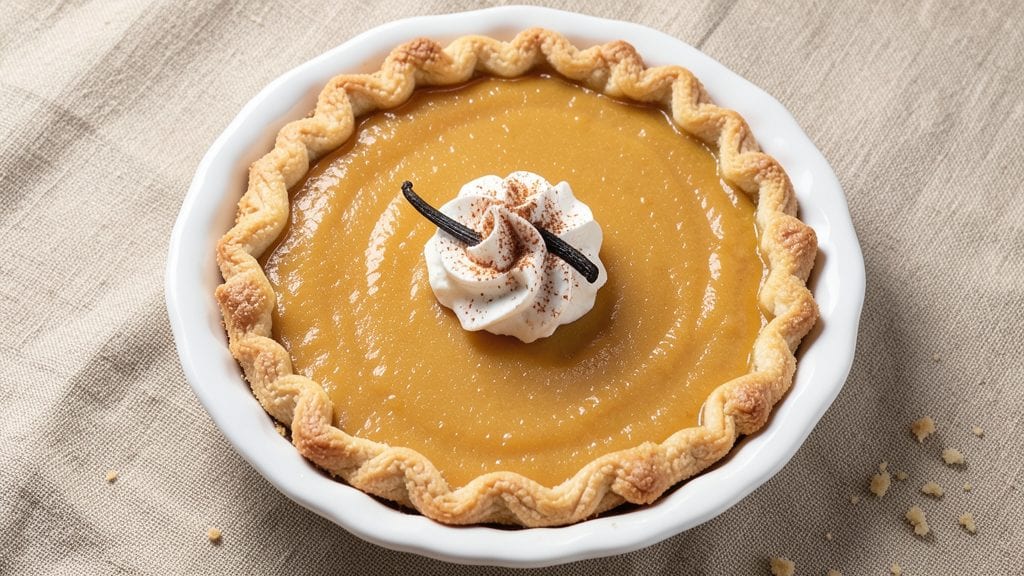
Betty Crocker's custard pie recipe delivers the perfect balance of a flaky, golden crust hugging a silky vanilla custard that's been a dessert classic for generations. The secret lies in a well-blinded crust and a properly thickened custard that bakes to a smooth, creamy center—no lumps, no soggy bottoms.
I've perfected this recipe over years of baking, ensuring every slice delivers that nostalgic comfort of childhood dessert tables.
What makes this custard pie truly special is the combination of traditional techniques with modern convenience. You can use either homemade pie crust for that authentic homemade touch or a store-bought crust for a foolproof shortcut.
The custard filling requires precise timing—cooking the cornstarch slurry properly ensures that creamy texture we all love, while blind baking the crust prevents a soggy bottom.
The result is a dessert that looks as impressive as it tastes: a golden, shimmering crust with a smooth custard that's just set in the center. That perfect balance of firmness and creaminess makes every bite satisfying, while the vanilla flavor sings through without being overpowering.
This is the kind of pie that disappears quickly, leaving only crumbs in the dish.
Whether you're baking for a family gathering or simply craving a classic dessert, this custard pie delivers restaurant-quality results with minimal effort. The recipe scales beautifully, so you can make it for a crowd or just a few slices to enjoy with a cup of coffee.
Let's get started on creating this timeless dessert.
Ingredients for betty crocker custard pie
Golden crust meets silky custard—just eight ingredients for timeless dessert perfection.
| Ingredient | Amount | Notes |
|---|---|---|
| Pie Crust (Store-Bought or Homemade) 🥧 | 1 package | Unrolled, for 9-inch pie pan |
| All-Purpose Flour 🌾 | ½ cup | For thickening custard |
| Granulated Sugar 🍚 | ¾ cup | White sugar preferred |
| Salt 🧂 | ¼ tsp | Fine sea salt preferred |
| Pure Vanilla Extract 🌸 | 1 ½ tbsp | High-quality preferred |
| Whole Milk 🥛 | 2 cups | Full-fat for creaminess |
| Large Eggs 🥚 | 4 whole | Room temperature preferred |
| Unsalted Butter 🧈 | ½ cup | Cold, cubed for blind baking |
| Granulated Sugar (for blind baking) 🍚 | ½ cup | Fine sugar for crust |
| Ground Nutmeg 🌿 | ¼ tsp | Freshly grated preferred |
| Heavy Cream 🥛 | ½ cup | Cold, for custard richness |
| Powdered Sugar 🍚 | 2 tbsp | Optional for dusting |
The crust is your foundation. Pillsbury or homemade both work—just avoid pre-cooked crusts. For homemade, butter-based crusts hold up better to custard moisture. The key? Blind-bake it right. Use parchment paper and pie weights (or dried beans) to keep it crisp. Trader Joe's sells great pre-made crusts if you're short on time, but I always make mine from scratch for that extra flakiness. Keep everything cold until assembly—warm crusts get soggy fast.
No vanilla extract? Vanilla bean paste or even vanilla sugar (1 tsp) works in a pinch. The custard needs to be thick but silky—cook that cornstarch slurry until it's clear, not cloudy. Eggs should be room temp (takes 10 minutes). For extra richness, swap half the milk for heavy cream. Nutmeg is non-negotiable—it's what gives classic custard its warmth. If you're nervous about lumps, whisk the eggs and sugar first until pale before adding milk. And trust me on the cold butter for blind baking—it prevents a greasy crust.
This pie tastes even better the next day—3-4 days in the fridge, covered. Freeze for up to 2 months if you're prepping ahead. Reheat slices in a 350°F oven for 10 minutes to restore that creamy texture. Store leftover custard in a jar for 3 days—great over toast or pancakes. And if you're making this for a crowd, double the crust and custard. Just use two 9-inch pans.
Why You'll Love This Recipe
- No-Fuss Filling: I just whisk eggs, sugar, and vanilla—no fancy techniques, no stress. The flour acts as a thickener, so you don’t even need cornstarch to get that perfect, silky texture.
- Vanilla Kiss Perfection: That pure vanilla extract? It’s the star. One teaspoon transforms the custard from good to ridiculously comforting, with just enough sweetness to balance the buttery crust.
- Weeknight or Holiday: Same recipe, different vibes. Serve it warm with ice cream for a casual dessert or chill it overnight for a showstopper at your next potluck—no one will guess it’s this simple.
- Budget-Friendly Luxury: Store-bought crust cuts costs, and you’re using pantry staples. For under $5, you’ll feed six with leftovers that taste just as good reheated as they do fresh.
Step-by-step instructions for betty Crocker's custard pie
Here's how to create a perfect custard pie with a golden crust and silky filling every time.
Prepare the Pie Crust for Blind Baking
Preheat your oven to 375°F. Unroll the pie crust into a 9-inch pie pan and press it gently into the bottom and up the sides, creating a slight overhang. Trim any excess crust even with the pan edge using a sharp knife. This ensures your pie has clean edges and a professional look.
For the blind baking technique, line the crust with parchment paper, then fill it completely with dry pie weights or dried beans. Sprinkle ½ cup granulated sugar (for blind baking) evenly over the weights. This prevents the crust from puffing up while baking and adds that signature sweetness to the bottom crust. Bake for 15 minutes until the edges begin to turn golden brown.
Remove the pie weights and parchment paper, then bake for another 5 minutes until the crust is fully set and golden. This pre-baking step creates a sturdy foundation that won't sog down when the custard fills it later. Let the crust cool slightly before adding the filling.
Whisk Together the Custard Base
In a medium bowl, whisk together ½ cup all-purpose flour, ¾ cup granulated sugar, and ¼ teaspoon salt until completely combined. This dry mixture forms the backbone of your custard, creating that smooth, velvety texture we all love. I like to use a whisk for this step to avoid creating lumps in the flour.
Gradually whisk in 2 cups whole milk until the mixture is smooth. The flour should dissolve completely into the milk, creating a thin but consistent batter. If you notice any lumps, strain the mixture through a fine-mesh sieve to ensure a silky final texture. This step is crucial for preventing that dreaded grainy custard we've all encountered.
Temper the Eggs for Perfect Custard
In a separate bowl, whisk together 4 whole large eggs, 1½ tablespoons pure vanilla extract, and ½ cup heavy cream until well combined. This egg mixture needs to be at room temperature for best results—cold eggs can create a curdled custard. The vanilla and cream add depth of flavor and richness to the classic custard profile.
Slowly pour the egg mixture into the milk mixture while whisking constantly. This tempering process prevents the eggs from scrambling when they hit the hot milk. You'll notice the mixture thicken slightly as the eggs begin to cook gently. Stir in ¼ teaspoon ground nutmeg for that warm, comforting spice note that makes this custard truly special.
Pour and Bake the Custard Filling
Carefully pour the custard mixture into the pre-baked pie crust. Use a spatula to smooth the top surface, ensuring even distribution. The filling should reach just below the top edge of the crust, leaving room for expansion during baking. Place the pie on the middle rack of your oven, which ensures even heat distribution.
Bake at 350°F for 45-50 minutes until the custard is set but still slightly jiggly in the center. You'll know it's done when the edges pull away from the pan slightly and the center has a gentle wobble—like a firm Jell-O. Overbaking will result in a dry, rubbery custard, so keep a close eye on it during the last 5 minutes of baking.
Cool, Chill, and Serve
Remove the pie from the oven and let it cool on a wire rack for 2 hours. This gradual cooling allows the custard to set properly without developing a skin on top. I know it's tempting to dig in immediately, but patience here makes all the difference in the final texture.
Once completely cooled, cover the pie with plastic wrap and refrigerate for at least 4 hours or overnight. This chilling step enhances the flavors and creates that perfect sliceable consistency. Before serving, dust the top with 2 tablespoons powdered sugar for a sweet, snowy finish that looks as good as it tastes.
Pro Tips For Making Betty Crocker Custard Pie
- Preheat That Oven: Betty Crocker’s custard pie relies on a hot oven for a smooth, set filling—no half-measures. Crank it to 375°F (190°C) and let it scream hot for 15 minutes before baking. I learned this the hard way after a lukewarm custard that took forever to set (and still didn’t quite hold).
- Whisk Like Your Life Depends On It: The custard mix must be completely smooth, no lumps, or you’ll end up with a grainy pie that tastes like you rushed. Whisk the flour and sugar into the milk over low heat until it’s thinner than pancake batter—no streaks, no excuses.
- Skip the Overmixed Crust: Store-bought crust is fine, but if you’re rolling your own, stop touching it once it’s in the pan. Press it gently, then dock it with a fork—this keeps it from puffing up like a balloon while the custard bakes. My first homemade crust turned into a sad, bubbly mess.
- Vanilla Matters—Use Real: That tiny bottle of imitation vanilla in your pantry? Toss it. Pure vanilla extract adds depth the cheap stuff can’t. Double the amount if you’re using vanilla bean paste—trust me, the difference is night and day. (Yes, even if you’re skeptical.)
Flavor customization for this recipe
Spiced Vanilla Twist
Elevate your custard with ½ teaspoon cinnamon and ¼ teaspoon cardamom alongside the nutmeg. These warm spices create a cozy, aromatic profile that pairs beautifully with the vanilla.
I like to toast the spices lightly in a dry pan for 30 seconds before adding them to the custard—this intensifies their flavors. For a deeper vanilla punch, add 1 vanilla bean, split and scraped, instead of extract. 🌿
Chocolate Swirl Surprise
Melt ½ cup semi-sweet chocolate chips with 2 tablespoons heavy cream over low heat, then swirl it into the custard before baking. The chocolate will create marbled patterns that look stunning when sliced. For extra decadence, add 1 ounce chopped bittersweet chocolate to the crust mixture before blind baking.
This version tastes like a cross between custard and chocolate pudding—my kids always fight over the last slice! 🍫
Citrus Zest Brightness
Add 1 tablespoon lemon zest and 1 teaspoon orange zest to the custard mixture for a refreshing twist. The citrus brightens the vanilla flavor and adds a subtle tang that cuts through the richness. I recommend using freshly grated zest for the best flavor—avoid the bitter white pith.
For a boozy variation, stir in 1 tablespoon Grand Marnier or Cointreau with the vanilla extract. This works especially well with the chocolate swirl version. 🍋
Caramel Drizzle Finish
Prepare a simple caramel sauce by melting ½ cup brown sugar with 2 tablespoons butter and 2 tablespoons heavy cream in a saucepan. Once the pie is baked and cooled, drizzle the warm caramel over the top before chilling.
The caramel adds a buttery-sweet contrast that makes every bite even more indulgent. For a crunchy texture, sprinkle crushed pecans or toasted almonds over the caramel before it sets. 🍯
Coffee-Infused Depth
Add 1 tablespoon instant espresso powder or ½ cup strong brewed coffee to the custard mixture for a mocha-inspired twist. This works surprisingly well with the vanilla flavor, creating a sophisticated dessert that tastes like a cross between custard and tiramisu.
For an extra coffee kick, add ½ teaspoon cinnamon and top with whipped cream and a sprinkle of cocoa powder before serving. This version is a crowd-pleaser at holiday gatherings. ☕
Seasonal Fruit Toppings
Fresh fruit adds vibrant color and texture to your custard pie. For summer, top with sliced peaches or berries arranged in a decorative pattern. In fall, try caramelized apples or sautéed pears with a sprinkle of cinnamon.
For winter, add cranberry sauce or orange segments. The fruit should be added after baking and chilling—just before serving—to maintain its freshness and vibrant appearance. 🍓
Nutrition facts
Frequently asked questions
Can I use a pre-made crust for this custard pie?
A store-bought crust saves time while still delivering great results. Look for a high-quality, all-butter crust like Pillsbury or Trader Joe's for that flaky texture. Just remember to blind-bake it properly—15 minutes with weights—before adding the custard to prevent a soggy bottom.
Why does my custard look grainy?
Grainy custard usually means lumps from undercooked flour or eggs. Always whisk the flour and sugar together first, then gradually add milk while whisking constantly. For extra smoothness, strain the mixture through a fine-mesh sieve before pouring into the crust. And never let the custard boil—remove it from heat once it thickens to 170°F.
How do I fix a runny custard pie?
If your custard didn't set properly, it likely wasn't baked long enough or the oven wasn't hot enough. Return it to a 350°F oven for 10-15 minutes until the center jiggles slightly. For a quick fix, chill it longer (up to 6 hours) to help it firm up. If it's still too soft, try topping with whipped cream or a caramel drizzle to mask the texture.
Can I make this custard pie ahead of time?
Yes! This pie actually tastes better the next day. After baking, let it cool completely, then refrigerate for at least 4 hours (overnight is ideal). For make-ahead convenience, assemble the pie crust and custard, then refrigerate unbaked for up to 24 hours before baking. You can also freeze the baked pie for up to 2 months—just thaw in the fridge before serving.
What's the secret to a perfect custard texture?
The magic happens in three steps:
- Tempering the eggs (slowly adding them to warm milk),
- Cooking the cornstarch slurry until clear, and
- Baking at the right temperature (350°F) until just set. The custard should wobble slightly in the center when done—like a firm Jell-O. Patience is key: don't overbake, and always let it cool gradually.