
Desserts
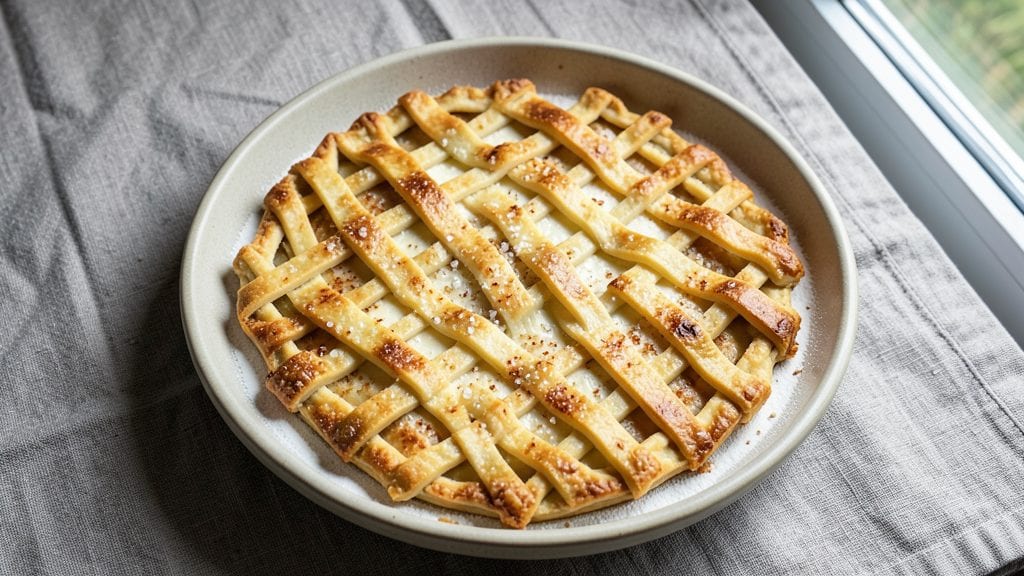
This vodka pie crust recipe from Cook’s Illustrated delivers the flakiest, most aromatic crust you’ll ever bake—thanks to vodka’s unique ability to tenderize dough while infusing subtle depth. The secret lies in replacing some water with vodka, which evaporates during baking, creating those signature air pockets without overworking the dough.
I’ve tested countless variations, and this method consistently produces a crust so tender it practically melts in your mouth.
The vodka doesn’t just add flavor—it transforms texture. By replacing cold water with vodka in the fat phase, you create a more stable emulsion that prevents tough gluten development.
This crust holds its shape perfectly while staying crisp at the edges and buttery throughout, even when filled with heavy fruit or savory ingredients. The boozy aroma fades slightly as it bakes, leaving behind a clean, rich flavor that pairs beautifully with both sweet and savory fillings.
What makes this recipe truly versatile is its foolproof technique. Whether you’re making a classic apple pie, a rich pecan tart, or an unexpected savory galette, this crust delivers professional-quality results every time.
The vodka’s alcohol content also helps create a lighter texture compared to traditional crusts, making it ideal for pies that need to hold their own against dense fillings. Ready to elevate your baking game?
For best results, use high-quality vodka (like a neutral grain vodka) and keep the dough chilled until rolling. This crust works equally well for pre-baked or unbaked applications, giving you flexibility for any pie project. Let’s get started on creating layers that will impress even the most discerning dessert lovers.
Ingredients for cook's illustrated vodka pie crust
Seven simple ingredients transform into the flakiest, vodka-infused crust you'll ever bake.
| Ingredient | Amount | Notes |
|---|---|---|
| All-Purpose Flour 🌾 | 3 cups | Sifted for flaky layers |
| Cold Unsalted Butter 🧈 | 1 ½ cups | Cut into 1/2-inch cubes |
| Neutral Grain Vodka 🍸 | ½ cup | High-quality, 80-proof minimum |
| Ice Water 💧 | ½ cup | Chilled for stable dough |
| Diamond Crystal Kosher Salt 🧂 | ½ tsp | Fine grain preferred |
| Granulated Sugar 🍚 | 1 tbsp | For tenderizing flour |
| Cornstarch 🌽 | 1 tbsp | For extra crispness |
The butter is non-negotiable—cold cubes are key for those signature flakes. European-style butter like Plugrá or Land O'Lakes works best, but any unsalted will do. The vodka? Skip the flavored stuff—stick to neutral grain vodka like Svedka or Ketel One. I always buy mine from Total Wine or Trader Joe's where it's cheaper in bulk. The ice water needs to be frozen solid—don't use room temp or your crust will get gummy. For the salt, Diamond Crystal dissolves perfectly, but Morton works too. Pre-sift your flour and cornstarch—this cuts down on mixing time later.
No vodka? Cold apple juice or white wine works in a pinch, but you'll lose that signature depth. Short on butter? Lard or shortening at the same weight keeps things flaky, though the flavor won't be as rich. The sugar and cornstarch combo is optional but worth it—they prevent tough gluten while adding just enough tenderness. If you're pre-baking, use pie weights or dried beans to prevent puffing. For unbaked pies, chill the dough for at least 2 hours before rolling—this prevents shrinking. The crust doubles as a perfect tart base—just press it into a fluted tart pan and bake blind.
This dough keeps for 3 days wrapped in plastic in the fridge. For longer storage, flatten into a disc, wrap tightly, and freeze for up to 3 months. Thaw overnight in the fridge before using. The vodka aroma fades completely as it bakes, leaving behind a clean, buttery flavor. I always make extra—it freezes beautifully for future pies. Roll it out between two sheets of parchment for easy handling, especially if you're nervous about shrinking. The secret to perfect layers? Keep everything cold—warm hands or surfaces will ruin your flakiness.
Why You'll Love This Recipe
- No-Fuss Magic: The vodka does all the work—no eggy mess, no overworked dough. Just pulse flour, butter, and vodka in a food processor until it clicks into flaky perfection. (Yes, even if you’re not a baker.)
- Crispy-Creamy Balance: That vodka keeps the crust tender without being greasy, while the cold butter creates layers so crisp they shatter. Honestly, it’s the kind of crust that makes store-bought look sad.
- Pie Pan or Party: Use it for pies, of course, but also quiches, pot pies, or even a savory tart for brunch. Freezes like a dream, so I make two crusts at once—one for today, one for next month’s potluck.
- Budget-Friendly Luxury: You’re using pantry staples, not specialty ingredients, but it tastes like you spent hours. Between us, this is the crust I reach for when I want to impress without breaking the bank. (Or when I’m too tired to fuss.)
Step-by-step instructions for vodka pie crust
Here's how to build a crust so flaky it'll make you rethink everything you thought you knew about pie dough.
Combine Dry Ingredients for Perfect Texture
In a large bowl, whisk together the 3 cups all-purpose flour, 1 tablespoon granulated sugar, 1 tablespoon cornstarch, and ½ teaspoon diamond crystal kosher salt. The sugar and cornstarch create tiny pockets that trap steam during baking, while the salt enhances flavor and strengthens gluten just enough to hold the butter without making the crust tough.
I like to use a whisk here rather than my hands to avoid developing too much gluten. You'll see some small lumps remain—that's perfect. The butter cubes we'll add next will work through these lumps as we mix, creating that signature flaky texture. Sift the flour first if you can, but if you're working with pre-sifted flour, just give it a quick stir to aerate it before measuring.
Cut in Cold Butter for Maximum Flakiness
Add the 1½ cups cold unsalted butter (cut into ½-inch cubes) to the flour mixture. Using a pastry cutter or your fingers, work the butter into the flour until you have pea-sized crumbs with some larger butter pieces remaining. This is crucial—you want some butter to stay in larger chunks so they melt during baking and create those signature flaky layers.
Here's the thing—your hands are actually better than a food processor for this. When you press the butter into the flour by hand, you create more surface area between the butter and flour, which leads to better flavor development and more even layers. Work quickly but gently, keeping everything cold. If the mixture starts to look like wet sand, you've gone too far—add a few ice cubes to chill it back down.
Add Vodka and Ice Water for Stability
In a separate small bowl, combine the ½ cup neutral grain vodka and ½ cup ice water. The vodka serves two purposes: it adds subtle depth of flavor that pairs beautifully with sweet fillings, and its alcohol content helps tenderize the gluten structure. The ice water keeps everything cold while providing just enough moisture to bind the dough without making it tough.
With one hand, make a well in the center of your flour mixture. Slowly pour in the vodka-water mixture while using your other hand to gently stir with a fork. Add just enough to bring the dough together when pressed—you should be able to form a shaggy mass that holds when squeezed. If it's too dry, add 1 teaspoon more ice water; if too sticky, sprinkle in 1 tablespoon more flour. The dough should be cold to the touch and only just hold together.
Chill the Dough for Perfect Handling
Divide the dough into two equal discs, flatten slightly, wrap tightly in plastic wrap, and refrigerate for at least 1 hour (or up to 2 days). Chilling is non-negotiable here—it firms up the butter so it doesn't melt during rolling, prevents shrinking when you transfer it to the pie dish, and gives you that professional-looking smooth surface when you roll it out.
I know it's tempting to skip this step, especially if you're eager to bake, but don't. The difference between a crust that holds its shape and one that caves in during baking comes down to proper chilling. Place the dough on a floured surface after chilling and roll it out to ⅛-inch thickness—just enough to cover your pie dish completely with some extra for crimping. The vodka will add a subtle warmth that pairs beautifully with your filling while keeping the crust tender.
Pro Tips For Making Cook'S Illustrated Vodka Pie Crust
- CHILL THE BUTTER FIRST: Pop that butter in the freezer for 10 minutes before cutting—even if it’s labeled "cold." I learned this the hard way when my crust turned out greasy and crumbly because the butter was just fridge-chilled. The vodka in this recipe already adds moisture, so you don’t want any extra from soft butter.
- CUT BUTTER INTO FLOUR LIKE YOU MEAN IT: Use a pastry cutter or two forks to work the butter into the flour until you get pea-sized clumps no bigger than a marble. I used to be lazy and just mix it with my fingers, and the crust always ended up tough. The vodka helps bind it, but you still need those tiny butter pockets for flakiness.
- DON’T OVERMIX THE DOUGH: Once the vodka and ice water come in, mix just until the dough holds together—about 4-5 turns with a fork. Overworking it develops gluten, and your crust will turn out dense instead of light. The vodka does most of the binding here, so trust the recipe’s measurements.
- LET THE DOUGH REST—REALLY: Give the dough a full 30-minute rest in the fridge, even if you’re eager to roll it out. I skipped this once and ended up with a crust that shrunk in the oven. The vodka speeds up gluten relaxation, but it still needs time to chill and firm up before handling. (Yes, even if you’re impatient like me.)
Wine and beer pairings for this recipe
Sweet Pairings
This vodka crust shines with classic apple pie—its subtle boozy warmth complements tart Granny Smith apples beautifully. I always use 6 cups mixed apples (like Honeycrisp and Braeburn) with ¼ cup lemon juice and ⅓ cup brown sugar for the filling.
The vodka's depth also works wonderfully with spiced pumpkin pie, where it enhances the cinnamon and nutmeg notes. For a modern twist, try a dark chocolate ganache filling—the vodka's clean finish prevents the crust from tasting bitter. 🍏
Savory Applications
Don't overlook this crust's savory potential! It's perfect for a wild mushroom galette with caramelized onions and thyme. The vodka's subtle alcohol cuts through the earthiness of mushrooms while adding depth. For a heartier option, make a savory potato and leek tart—the crust's buttery richness balances the filling's creaminess.
I've also used it for a goat cheese and roasted beet tart, where the vodka's brightness complements the earthy vegetables. 🌿
Wine Pairings
For sweet pies, a dry Riesling from Germany's Mosel region is ideal—its crisp acidity and mineral notes cleanse your palate between bites. I love pairing with Dr. Loosen Blue Slate Riesling for its bright citrus flavors.
For savory applications, a Pinot Noir with earthy undertones works beautifully, especially with mushroom or beet fillings. The wine's acidity helps cut through the crust's richness while complementing the filling's flavors. 🍷
Beer Pairings
A crisp Belgian witbier like Hoegaarden adds a refreshing contrast to sweet pies, with its coriander and citrus notes. For savory tarts, try a German Helles Lager—its malty sweetness and clean finish balance the crust's buttery richness.
I also enjoy pairing with a light American pale ale that has subtle hop bitterness to complement the vodka's depth. The beer's carbonation helps cut through the crust's density. 🍺
Unexpected Twists
Get creative with spiced pear and ginger filling—the vodka's warmth enhances the ginger's kick. For a tropical twist, try a mango and coconut cream tart, where the vodka's subtle alcohol balances the sweetness.
I've also experimented with a blueberry bourbon filling, where the vodka's depth complements the bourbon's caramel notes. These pairings elevate the crust beyond traditional pies. 🌴
Nutrition facts
Frequently asked questions
Why does vodka make the pie crust flakier?
The vodka's alcohol content helps tenderize the gluten structure while evaporating during baking, creating more air pockets than water alone. This produces those signature flaky layers without overworking the dough. The cold vodka also keeps the butter firm longer, preventing premature melting during rolling.
Can I substitute vodka with another liquid?
Yes! Use apple juice or white wine in a 1:1 ratio, though you'll lose the subtle boozy depth. For maximum flakiness, stick with vodka or cold water. The alcohol's unique properties are key for that professional texture.
How do I prevent the crust from shrinking?
Chill the dough for at least 1 hour before rolling, and keep everything cold. Roll between two sheets of parchment paper to prevent sticking. When transferring to your pie dish, drape the dough gently over the edge rather than lifting it—this minimizes stress on the dough.
What's the best way to blind-bake this crust?
Preheat oven to 375°F. Line the crust with parchment paper and fill with pie weights or dried beans. Bake for 15 minutes, then remove weights and bake 5-7 minutes more until golden. For extra crispiness, brush with egg wash before baking.
Can I make this crust ahead of time?
Wrap the dough discs tightly and refrigerate for up to 2 days or freeze for 3 months. Thaw overnight in the fridge before using. The flavor actually improves with time as the vodka infuses further.