
Desserts
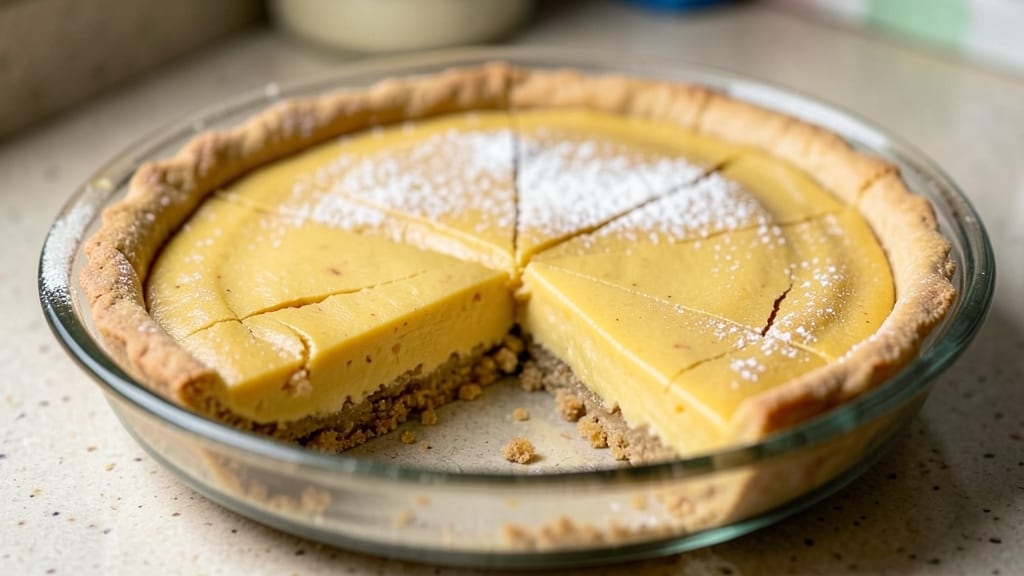
This crustless custard pie recipe delivers all the comfort of a classic pie without the fuss of a crust—just velvety vanilla custard baked to golden perfection.
The secret lies in tempering the eggs properly to avoid lumps, while a simple graham cracker or cookie crumble base adds texture without the work. I perfected this version after years of custard disasters, and now it’s the go-to dessert for gatherings where ease meets indulgence.
The magic happens in the custard itself: a silky, rich filling that sets just right, neither rubbery nor watery. A touch of cornstarch ensures smoothness, while vanilla extract and a pinch of salt elevate the flavor beyond basic.
For extra depth, I often stir in a splash of heavy cream or a hint of cinnamon—simple adjustments that make it feel special. The base? Crushed graham crackers or digestive biscuits, toasted lightly for a nutty crunch that contrasts beautifully with the custard.
What you’ll end up with is a creamy, golden pie that slices cleanly and tastes even better the next day—no soggy bottoms in sight. The aroma alone will have guests gathering, and the first bite delivers that perfect balance of sweetness and smoothness.
Serve it warm with whipped cream or a sprinkle of powdered sugar for a restaurant-worthy finish. This is dessert made simple, but never basic.
For those who love tradition, try a Mississippi-style twist with bourbon or a modern vegan version using coconut milk—both keep the same silky texture. The possibilities are endless, but the foundation stays foolproof. Let’s get baking!
Ingredients for crustless custard pie
Six simple ingredients transform into a velvety custard pie without crust fuss.
| Ingredient | Amount | Notes |
|---|---|---|
| Large Eggs 🥚 | 6 whole | Room temperature for best blending |
| Granulated Sugar 🍚 | 1 ¼ cups | White or light brown preferred |
| All-Purpose Flour 🌾 | ½ cup | Sifted for smooth custard |
| Cornstarch 🌽 | 2 tbsp | Ensures silky texture |
| Pure Vanilla Extract 🌸 | 2 tsp | Bottled or seedless preferred |
| Heavy Whipping Cream 🥛 | ½ cup | Full-fat for richness |
| Whole Milk 🥛 | 1 ½ cups | Warmed slightly for blending |
| Salt 🧂 | ¼ tsp | Fine sea salt preferred |
| Unsalted Butter 🧈 | ½ cup | Cold, cubed for base |
| Graham Crackers 🍪 | 1 ½ cups | Crushed into fine crumbs |
| Ground Cinnamon 🌿 | ½ tsp | Optional for warmth |
| Powdered Sugar 🍚 | 2 tbsp | For dusting before serving |
The eggs are non-negotiable here—use room-temperature ones for smooth blending. I always grab the large eggs from Trader Joe's or Costco for consistency. The vanilla extract should be pure, not imitation—Nielsen-Massey or McCormick are solid choices. For the milk, warm it slightly (just until it steams) before mixing—this helps the custard emulsify better. The cornstarch is your secret weapon: it keeps the custard from turning gummy. If you're short on time, instant pudding mix (1 small box) works in a pinch, but it won't be as rich.
No heavy cream? Half-and-half or whole milk stretches it, but the texture gets slightly lighter. Swap graham crackers for digestive biscuits or vanilla wafers—just toast them first for extra flavor. The cinnamon is optional, but if you skip it, add a pinch of nutmeg for depth. For a Mississippi-style twist, stir in 1 tbsp bourbon with the vanilla. The butter should be cold when mixing with the crumbs—this prevents a greasy base. If you're vegan, coconut milk and flax eggs work, but the texture will be slightly firmer.
This custard sets beautifully overnight, so make it ahead—it tastes even better the next day. Store leftovers in the fridge for up to 4 days, covered tightly. To reheat, warm slices in the microwave for 20-30 seconds or bake at 350°F for 10-15 minutes. The base keeps dry for 2 days if stored separately, but I usually bake the whole pie the same day. For serving, dust with powdered sugar right before slicing—it adds that final touch of elegance. Freezes for up to 3 months if wrapped airtight.
Why You'll Love This Recipe
- I’ll be real: This pie tastes better the second day. The custard thickens into a luscious, almost pudding-like texture, and it’s still creamy, not dry. Plus, it’s budget-friendly—eggs, sugar, and vanilla are pantry staples—and a single batch stretches across breakfasts (yes, really) or turns into trifle layers. Minimal waste, maximum satisfaction.
- No-Fuss Mix-In: I swear by this recipe because it’s just whisking—no rolling, no piecing, no stress. Toss eggs, sugar, flour, and cornstarch into a bowl, stir in vanilla, and pour. That’s it. The custard’s silky texture comes from the cornstarch acting like a secret weapon, while the flour keeps it from being too thin.
- Vanilla Kiss: Honestly, the vanilla here isn’t just flavor—it’s the star. A single teaspoon of pure extract (not imitation) makes this custard smell like a bakery window, and the sugar caramelizes just enough at the edges to give it a subtle depth. It’s the kind of dessert that makes you pause mid-bite, like, “Wait, is this even real?”
- Weeknight Hero: Between us, this is my go-to when I need something impressive but can’t be bothered with fuss. Make it for dinner guests who think dessert is an afterthought, or serve it cold with whipped cream for a lazy Sunday. The custard sets perfectly in the fridge, so it’s always ready—no last-minute oven drama.
Step-by-step instructions for crustless custard pie
Here's how to create that dreamy, silky texture without a single crust in sight.
Prepare the Graham Cracker Crust Base
Preheat your oven to 350°F. In a food processor, pulse the 1.5 cups graham crackers until you achieve fine, sand-like crumbs. I like to pulse in short bursts to avoid over-processing, which can make the crumbs oily. Transfer these crumbs to a medium bowl and stir in the 0.5 cup unsalted butter, melting it first if it's cold.
Mix until the butter is fully incorporated and the crumbs look moist but not wet. Here's the thing—you want the butter to coat the crumbs evenly, but not so much that it turns into a paste. Add the 0.5 tsp ground cinnamon (if using) and mix again. Press this mixture firmly into the bottom of a 9-inch pie dish, creating an even layer about ¼-inch thick. Bake for 10 minutes until lightly golden and set. This base will provide the perfect textural contrast to the silky custard.
Whisk the Custard Mixture
While the crust bakes, whisk together the 6 whole large eggs in a large bowl until they're completely combined. Add the 1.25 cups granulated sugar and whisk until fully dissolved—no grainy bits should remain. The mixture should look pale and smooth at this stage.
In a separate bowl, sift together the 0.5 cup all-purpose flour and 2 tbsp cornstarch. This ensures a silky texture by preventing lumps. Gradually whisk the dry ingredients into the egg mixture, alternating with the 1.5 cups whole milk in small increments. This slow addition prevents curdling. After each addition, whisk until smooth before adding more. The mixture should be thick but pourable, like heavy cream.
Incorporate Cream and Flavorings
Warm the 0.5 cup heavy whipping cream slightly by placing its container in warm water for 2-3 minutes. This helps it blend smoothly into the custard. Add it to the egg mixture along with the 2 tsp pure vanilla extract and 0.25 tsp salt. Whisk gently until fully combined—you're just incorporating these ingredients, not trying to create air bubbles.
Strain the entire mixture through a fine-mesh sieve into a clean bowl. This step removes any potential lumps and ensures a perfectly smooth custard. The strained mixture should look like thick, pale yellow pudding. Taste it—it should be sweet but not cloying, with a clean vanilla flavor. If you're using cinnamon, sprinkle a pinch over the top for warmth, but don't whisk it in.
Assemble and Bake the Custard
Remove the pre-baked crust from the oven and let it cool slightly. Pour the custard mixture evenly over the crust, spreading it to the edges. Here's where it gets critical: place the pie dish in a deep baking dish and carefully pour hot water into the baking dish until it reaches halfway up the sides of the pie dish. This water bath creates gentle, even heat that prevents curdling.
Bake at 350°F for 45-50 minutes. The custard is done when it's set but still slightly jiggly in the center—like a firm pudding. You'll know it's ready when the edges are set but the center still has a gentle wobble. If you're unsure, insert a knife near the center: it should come out clean but slightly wet. Let the pie cool completely at room temperature before refrigerating for at least 4 hours—this ensures that silky, restaurant-quality texture.
Serve with Style
Once chilled, dust the top generously with 2 tbsp powdered sugar using a fine-mesh sieve. This adds that classic finishing touch and balances the rich custard. For presentation, I like to garnish with a sprinkle of ground cinnamon or a few whole vanilla beans. Serve slices in small bowls with a dollop of whipped cream if desired—though the pie is delicious on its own.
This custard should be velvety smooth with no lumps, perfectly sweet, and rich with vanilla flavor. The graham cracker base adds just enough texture to complement the silky filling. Store leftovers covered in the refrigerator for up to 3 days, though I doubt it will last that long!
Pro Tips For Making Crustless Custard Pie
- Whisk Eggs Cold: Start with eggs straight from the fridge—room temperature makes them cling to the whisk like glue. I learned this the hard way when my custard turned into a lumpy mess because I warmed the eggs first. Cold eggs emulsify better with the sugar and butter (if you’re using it), giving you that silky texture you’re after.
- Sift the Dry Mix: Cornstarch and flour are sneaky little clump-makers. Sift them together before mixing, or you’ll end up with grainy bits in your custard—trust me, it’s worse than it sounds. A fine mesh strainer or even shaking them through a folded tea towel works if you’re in a pinch.
- Watch the Waterline: The custard should coat the back of a spoon but still move like thick pudding, not glue. If it’s too thin, it’ll sink in the oven; too thick, and it’ll crack like a sunbaked road. I used to eyeball it, but now I dip a spoon in—if the custard slides off cleanly but leaves a trail, you’re golden.
- Preheat the Pan: A cold pie dish means your custard will start cooking unevenly, leading to a gummy center or overbrowned edges. Pop the dish in the oven for 5 minutes while you preheat—just enough to warm it up. This isn’t the prettiest step, but it guarantees a smooth, even set every time.
Troubleshooting perfect results
Curdled Custard Fix
If your custard looks lumpy or grainy, it’s likely from overheating or rapid temperature changes. The fix? Whisk in 1 tablespoon cold butter or 1 tablespoon heavy cream to smooth it out.
For a stronger rescue, strain the entire mixture again through a fine-mesh sieve—this catches any remaining lumps while keeping the texture silky.
If the custard is already baked but curdled, don’t panic: blend it with a splash of warm milk and rebake at 325°F for 20-30 minutes until set again. 💡
Soggy Bottom Prevention
A soggy base ruins the texture, but a few tricks prevent this. First, bake the crust separately for 10 minutes before adding custard—this toasts the crumbs and creates a moisture barrier. Second, chill the pie for 4 hours before slicing; cold custard holds its shape better.
If the base still feels damp, sprinkle extra crushed graham crackers on top before baking to absorb excess moisture. For extra insurance, line the pie dish with parchment paper before adding the crust—easy removal keeps the base crisp. ❄️
Underbaked or Watery Custard
If your custard isn’t set or looks watery, it likely didn’t bake long enough. The center should jiggle slightly like firm pudding when done. For a quick fix, return the pie to the oven at 325°F for 10-15 minutes, covered with foil to prevent over-browning.
If it’s still too runny, whisk in 1 tablespoon cornstarch mixed with 1 tablespoon cold water, then rebake. Pro tip: Use a thermometer—the internal temp should reach 170°F for a perfect set. 🌡️
Overbrowned or Burnt Edges
Uneven baking often causes burnt edges while the center stays undercooked. To fix this, place a pie shield or aluminum foil tent over the edges during baking. For future pies, reduce the oven temp to 325°F and bake for 5-10 minutes longer.
If the custard is already overbrowned, cover the pie with foil and bake at 300°F for 10 minutes to redistribute heat gently. A water bath (as in the recipe) also helps—just ensure the water doesn’t touch the pie dish. 🔥
Cracked or Sunken Top
Cracks or a sunken center usually mean the custard cooled too quickly. To prevent this, let the pie cool gradually at room temperature for 1 hour before refrigerating.
If cracks appear, cover the pie with plastic wrap (pressed directly onto the surface) and refrigerate for 2 hours—this helps the custard re-set smoothly. For a sunken top, rebake at 300°F for 15 minutes to puff it back up.
A splash of warm milk or cream can also help restore moisture and plumpness. 💫
Flavor Too Mild or Bland
If your custard tastes flat, it’s likely under-seasoned or lacked depth. Boost flavor by adding ½ teaspoon vanilla bean paste (instead of extract) or a pinch of cinnamon directly to the custard. For a richer taste, stir in 1 tablespoon bourbon or 1 teaspoon lemon zest while baking.
If the custard is already made, mix in 1 tablespoon caramel sauce or 1 teaspoon maple syrup before serving—this adds sweetness and complexity without altering the texture. 🌸
Nutrition facts
Frequently asked questions
Can I make this custard pie without eggs?
Yes! For a vegan version, replace eggs with a flax egg substitute (1 tbsp ground flaxseed + 3 tbsp water per egg) and use coconut milk instead of dairy. The custard will be slightly firmer but still creamy. Stir in an extra 1 tbsp cornstarch to help thicken it properly.
Why does my custard sometimes turn out grainy?
Graininess usually means lumps from uneven mixing or overheating. Always whisk the eggs and sugar first until fully dissolved, then gradually add dry ingredients while whisking constantly. For extra smoothness, strain the mixture through a fine-mesh sieve before baking. If you accidentally overheat it, whisk in 1 tbsp cold butter to rescue the texture.
What's the best way to store leftover custard pie?
Store in an airtight container in the fridge for up to 4 days. For longer storage, freeze individual slices wrapped tightly in plastic for 3 months. Thaw overnight in the fridge—never at room temperature. Reheat slices in the microwave for 20-30 seconds or bake at 300°F for 10 minutes until warmed through.
Can I make this pie in a different size dish?
For a 9-inch dish, use the full recipe. For an 8-inch dish, reduce all ingredients by 25%, and for a 10-inch dish, increase by 20%. Adjust baking time by 5-10 minutes—smaller pies bake faster. Always check doneness with a knife test (should come out clean but slightly wet).
What are some creative flavor variations?
Try adding ½ tsp cinnamon or ½ tsp almond extract for warmth, or swap vanilla for 1 tsp orange zest and ½ tsp cardamom. For chocolate lovers, whisk in ¼ cup cocoa powder with the dry ingredients. A splash of bourbon or rum (1 tbsp) adds depth to adult versions. The base can also be made with crushed pecans or cookies for variety.