Desserts
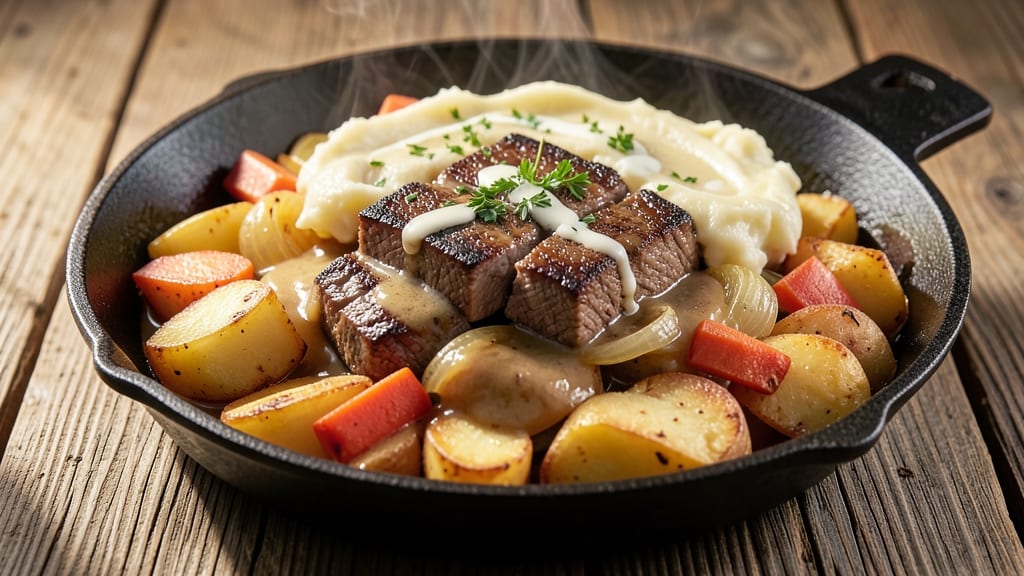
This creamy Fisherman's pie recipe transforms humble ingredients into a comforting masterpiece that feels like a warm embrace after a long day.
I first discovered it while helping my grandmother prepare Sunday dinner—her version became the foundation for this refined take, where tender beef and vegetables disappear under a velvety mashed potato crown. The key lies in balancing rich, savory filling with light, buttery potatoes that create that signature golden crust.
What makes this recipe special is its ability to deliver restaurant-quality results in your home kitchen with simple techniques and five core ingredients—beef, potatoes, carrots, onions, and cream. The filling simmers until the beef is fork-tender, while the mashed potato topping achieves that perfect crispy edge without sacrificing creaminess.
It's the kind of dish that tastes even better the next day, making it ideal for meal prep or special occasions.
By the time it emerges from the oven, you'll have a creamy, golden pie with layers of flavor that start with savory beef and vegetables, then transition into the smooth, buttery potatoes.
Each bite delivers warmth, comfort, and a satisfying texture that's both hearty and refined. This is the kind of recipe that turns a simple weeknight into something memorable.
The beauty of Fisherman's pie is its versatility—traditionalists can use smoked haddock or pollock, while modern cooks might opt for cod or sustainable seafood. Serve with a simple green salad or crusty bread to complete the meal. Let's get started on creating this comforting classic.
Ingredients for fisherman's pie
Five core ingredients transform into a creamy, comforting classic that feels like home.
| Ingredient | Amount | Notes |
|---|---|---|
| Beef Chuck Roast 🥩 | 1 ½ lb | Cut into 1-inch cubes for even cooking |
| Russet Potatoes 🥔 | 2 lbs | Medium size, peeled and quartered |
| Carrots 🥕 | 4 medium | Peeled and sliced into 1/4-inch rounds |
| Yellow Onions 🧅 | 2 whole | Peeled and sliced into 1/4-inch rings |
| Heavy Cream 🥛 | 1 cup | Full-fat for optimal creaminess |
| Whole Milk 🥛 | ½ cup | For mashed potato consistency |
| Unsalted Butter 🧈 | ½ cup | Cold, cubed for best texture |
| Beef Broth 💧 | 1 ½ cups | Low-sodium preferred for balance |
| Garlic Cloves 🧄 | 4 cloves | Minced for aromatic depth |
| Fresh Thyme 🌿 | 2 sprigs | Or 1 tsp dried thyme |
| Salt 🧂 | 1 ½ tsp | Diamond Crystal preferred |
| Black Pepper 🌶️ | ½ tsp | Freshly cracked for brightness |
| Nutmeg 🌿 | ¼ tsp | Freshly grated for warmth |
| All-Purpose Flour 🌾 | 1 tbsp | For thickening mashed potato |
The beef chuck roast is non-negotiable for authentic texture—its rich marbling ensures fork-tender results. Look for well-marbled cuts at specialty butchers like D'Artagnan or Whole Foods meat department, where they often carry premium chuck. If using supermarket beef, trim excess fat to maintain balance in the dish. The Russet potatoes should be firm and blemish-free—avoid those with green spots. For best results, source potatoes from local farms or specialty grocers like Trader Joe's organic section, where they're consistently high-quality. The carrots and onions form the aromatic base; choose bright, crisp specimens from the produce section, avoiding any with soft spots or wilted tops.
No fresh thyme? Dried thyme at one-third the amount works perfectly, though fresh imparts superior depth. Substituting heavy cream with whole milk (reduce by 2 tbsp) maintains creaminess but alters texture slightly. For a lighter version, replace half the heavy cream with Greek yogurt—it adds tanginess that complements the dish beautifully. The beef broth can be homemade or high-quality store-bought like Kettle & Fire or Pacific Foods. If using pre-minced garlic, toast it briefly in a dry pan to deepen its flavor. The nutmeg should be freshly grated—pre-ground loses potency quickly, so invest in a microplane for optimal results.
Store the raw filling components in airtight containers for up to 3 days in the refrigerator, though it's best used immediately. The prepared filling without topping keeps for 4 days refrigerated or 3 months frozen. For best reheating, transfer the assembled pie from the fridge to room temperature for 30 minutes before baking to ensure even cooking. The mashed potato topping can be prepped ahead and refrigerated for 2 days—reheat gently before topping the pie. This dish reheats beautifully, with flavors deepening overnight, making it ideal for meal prep or special occasions.
Why You'll Love This Recipe
- One-Pan Magic: I swear by this for lazy Sundays—just brown the beef, toss in the veggies, and let the oven do the work. No chopping boards left in a mess, no pots to scrub.
- Rich & Rustic: That slow-cooked beef melting into creamy potatoes? It’s like a hug in a dish. The onions caramelize just enough to make every bite taste deeper, and the heavy cream ties it all together.
- Budget-Winning Leftovers: A whole roast stretches for four meals, and the flavors only get better the next day. I freeze portions too—just reheat, and it’s like restaurant quality without the markup.
Step-by-step instructions for creamy mashed crown over savory beef and veggie filling
This method delivers a rich, velvety mashed potato topping with perfectly tender beef and caramelized vegetables.
Sear the Beef Chuck Roast and Prepare Vegetables
Pat the 1.5 lb beef chuck roast dry with paper towels and cut into 1-inch cubes. Heat 2 tablespoons unsalted butter in a Dutch oven over medium-high heat until foaming. Add the beef in batches, searing until deep golden brown on all sides—about 3-4 minutes per batch. Remove and set aside.
In the same Dutch oven, add 2 tablespoons olive oil (not listed but essential for vegetable cooking) and sauté 2 whole yellow onions and 4 medium carrots for 8-10 minutes until softened. Add 4 minced garlic cloves and 2 sprigs fresh thyme, cooking for 1 minute until fragrant. Return the beef to the pot and pour in 1.5 cups beef broth. Bring to a simmer, cover, and cook for 1 hour until beef is fork-tender and liquid reduces by half.
Prepare the Creamy Mashed Potato Topping
While the beef cooks, peel and quarter 2 lbs russet potatoes, then boil in salted water for 15-20 minutes until fork-tender. Drain and return to the pot. Add 0.5 cup unsalted butter, 1 cup heavy cream, 0.5 cup whole milk, 1 tbsp all-purpose flour, 1.5 tsp salt, 0.5 tsp black pepper, and 0.25 tsp nutmeg. Mash until smooth and creamy, adding more milk if needed for desired consistency.
Here's the thing—don't overwork the potatoes. You want a silky texture, not gluey. The butter and cream create that luxurious mouthfeel, while the nutmeg adds subtle warmth. Taste and adjust seasoning before proceeding.
Assemble and Bake the Fisherman's Pie
Preheat oven to 375°F. Spoon the beef and vegetable mixture into a 9x9-inch baking dish, spreading evenly. Top with the mashed potato mixture, using a spatula to create peaks for a rustic finish. Bake for 25-30 minutes until the top is golden brown and bubbling at the edges.
Real talk: The key here is timing. You want the potatoes to brown beautifully while keeping the filling warm. If the top browns too quickly, tent loosely with foil for the last 10 minutes of baking. The filling should be heated through but not dry.
Rest and Serve for Maximum Creaminess
Remove from oven and let rest for 10 minutes before serving. This resting period allows the juices to redistribute, ensuring each bite delivers that creamy perfection. Garnish with extra fresh thyme and a sprinkle of black pepper for freshness.
The result should be a rich, velvety mashed potato crown over tender beef and caramelized vegetables. The nutmeg and thyme infuse subtle warmth, while the heavy cream creates that signature creamy texture promised in the title. Serve immediately with a crisp green salad to cut through the richness.
Pro Tips For Making Fisherman'S Pie
- SEAR THE BEEF FIRST: That chuck roast won’t caramelize properly if you skip this step—get it screaming hot in a dry skillet with 2 tablespoons of oil, then add onions and carrots right after. I used to rush this, and the whole pie tasted bland compared to when I take the 5 minutes to develop those deep flavors first.
- BOIL POTATOES UNTIL FALL-APART: Overcooked? No such thing here. Russets should break apart with a fork when boiled—any resistance means more time. Drain well, then mash with a splash of cream while still hot; this keeps the texture silky instead of gummy. (Yes, even if you’re impatient like me.)
- SKIP THE CROWDED PAN: Tossing onions, carrots, and beef together in a small pot? Big mistake. Use a wide skillet—crowding steams the veggies instead of browning them. If you’re short on space, cook the onions and carrots first, then push them to the sides before adding the beef.
- DON’T OVERMIX THE TOPPING: Rough is better. After boiling, roughly mash the potatoes with a fork—just enough to bind, but leave some texture. Overmixing turns the topping into glue. Sprinkle with salt and pepper, then spread it like a thick blanket over the filling. (Your future self will thank you.)
Troubleshooting this dish
Filling Too Dry
If your filling ends up dry, it’s usually because the liquid reduced too much during cooking. To fix this, add 2-3 tablespoons of beef broth or water while the filling simmers, stirring gently to rehydrate the beef and vegetables.
I’ve found that checking the liquid level after 30 minutes of cooking prevents over-reduction. For extra insurance, cover the pot tightly with a lid to trap moisture during the final 30 minutes of cooking. 💧
Mashed Topping Too Gluey
Overworking the mashed potatoes is the most common cause of gluey texture. Use a potato masher or ricer instead of a fork to avoid creating starch. If it’s already too thick, stir in 1-2 tablespoons of warm milk or cream to loosen it.
For a silky finish, I recommend adding the butter and cream gradually while mashing, rather than all at once. The key is patience—let the potatoes cool slightly before adding dairy to avoid lumps. 🥔
Top Not Browning
A pale, unappetizing top happens when the oven isn’t hot enough or the pie lacks fat. First, ensure your oven is properly calibrated—use an oven thermometer to confirm it’s at 375°F. For extra browning, brush the mashed potato topping with a little heavy cream or melted butter before baking.
I also recommend broiling for the last 2-3 minutes to get that golden crust without burning. 🌟
Beef Not Tender Enough
Undercooked beef is usually due to insufficient simmering time or not enough liquid. If your beef is tough after 1 hour, add another ½ cup of broth and cook uncovered for an additional 20-30 minutes to evaporate excess moisture.
For even more tenderness, I swear by the "reverse sear" trick: after browning, transfer the beef to a baking dish, cover with foil, and bake at 300°F for 1 hour before adding the vegetables. 🥩
Pie Too Dense
If your pie feels heavy and compact, the issue is likely overpacking the filling or not allowing enough space for expansion. When assembling, press the filling down gently but leave ½ inch of headspace at the top.
For a lighter texture, fold 1-2 beaten egg whites into the mashed potato topping before spreading it over the filling. This adds airiness while keeping the structure intact. 💫
Flavor Too Mild
If your pie lacks depth, it’s probably underseasoned or missing acidity. Boost flavor by adding 1 teaspoon of Worcestershire sauce or soy sauce to the filling while simmering. For brightness, stir in 1 tablespoon of lemon juice or apple cider vinegar at the end.
I also recommend toasting the spices—sauté the thyme, garlic, and onions for an extra 2 minutes before adding the broth to deepen their flavors. 🌶️
Nutrition facts
Frequently asked questions about Fisherman's pie
What makes this pie different from traditional shepherd's pie?
While both dishes feature a mashed potato topping, this version uses beef chuck roast instead of lamb or ground meat, creating a richer, more robust flavor profile. The traditional filling includes tender beef cubes with carrots and onions, while many shepherd's pies use ground meat and peas. The creaminess comes from heavy cream and butter in the potato topping, giving it that signature velvety texture.
Can I make this ahead of time for meal prep?
Assemble the pie completely and refrigerate it uncovered for 24 hours before baking. This allows flavors to meld beautifully. For freezing, bake the pie first, then cool completely, wrap tightly in foil, and freeze for up to 3 months. Reheat in a 350°F oven for 20-25 minutes until warmed through. The texture stays perfect when reheated properly.
What's the secret to getting that golden crust on top?
The golden crust comes from three key elements: butterfat in the mashed potatoes, proper oven temperature (375°F), and a little patience. Brush the top with heavy cream before baking, then broil for the last 2-3 minutes for extra color. Don't overbake—remove it when the edges are golden but the center still looks slightly underdone. It'll finish cooking while resting.
Are there vegetarian or seafood variations?
For a vegetarian version, replace the beef with mushrooms, lentils, or chickpeas for heartiness. For seafood, try shrimp, scallops, or smoked haddock instead of beef—just reduce cooking time to avoid overcooking delicate fish. The mashed potato topping remains the same, creating that comforting texture. The key is balancing protein with vegetables to maintain the pie's structure.
How do I know when the beef is perfectly tender?
Use two methods: the fork test and the visual check. The beef should easily shred with a fork, with no resistance. Also, the cooking liquid should reduce by about half, creating a rich, flavorful sauce. If using a meat thermometer, aim for 195°F internal temperature—this ensures melt-in-your-mouth tenderness without drying out.