
Desserts
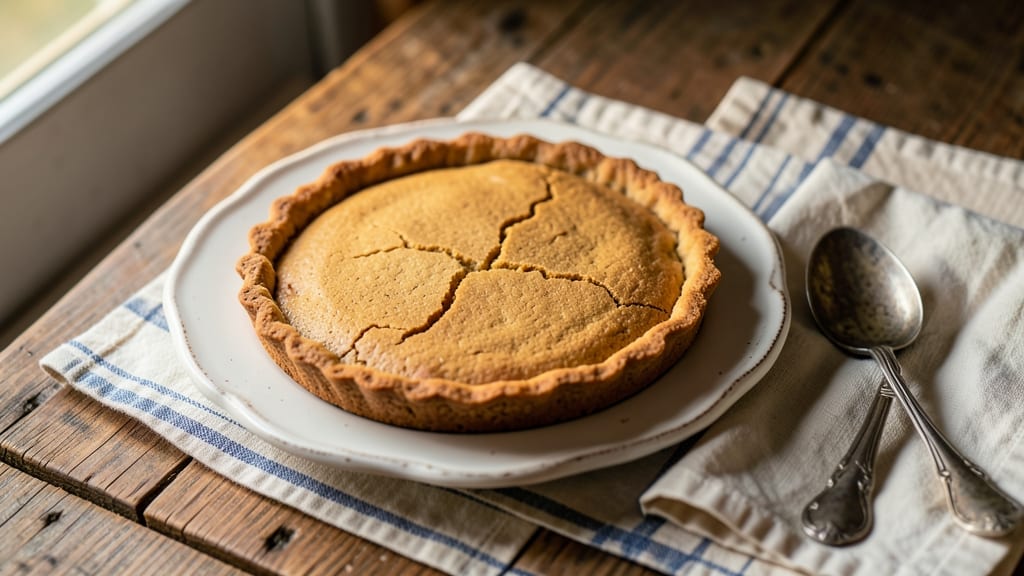
This gingerbread pie crust recipe transforms your dessert from ordinary to extraordinary—its spiced shortbread base delivers the perfect balance of warmth, texture, and flavor with molasses depth.
The key lies in combining traditional pie crust techniques with aromatic ginger, cinnamon, and molasses for a crust that's sturdy enough to hold fillings yet tender enough to melt in your mouth.
I've refined this recipe over years of baking, ensuring it achieves that signature gingerbread flavor without sacrificing the structural integrity of a classic crust.
What sets this recipe apart is the careful integration of spices and molasses into the dough, creating a crust with depth that complements any filling—whether it's creamy pumpkin, rich custard, or spiced apple.
The process begins with cold butter and flour for a flaky texture, but the addition of molasses and warm spices transforms it into something entirely unique.
With just 15 minutes of prep and 20 minutes in the oven, you'll have a crust that's crisp around the edges and tender in the center, ready to be filled and baked to golden perfection.
The result is a gingerbread pie crust that's sturdy enough to hold its shape while delivering layers of warm, aromatic flavor in every bite. The molasses adds a subtle sweetness that deepens as it bakes, while the ginger and cinnamon create that signature holiday spice profile.
This crust isn't just a vessel for your filling—it's a star in its own right, capable of standing alone or elevating your entire dessert. Whether you're baking for the holidays or treating yourself to a cozy dessert, this recipe delivers professional-quality results with minimal effort.
Once you've mastered this crust, you can experiment with different fillings or even use it as a base for bars or cookies. The versatility makes it perfect for both beginners and experienced bakers looking to add a touch of holiday magic to their desserts.
Let's get started on creating a crust that will impress everyone at the table.
Ingredients for gingerbread pie crust
Fourteen ingredients, but only one secret: cold butter and molasses make this crust extraordinary.
| Ingredient | Amount | Notes |
|---|---|---|
| All-Purpose Flour 🌾 | 2 ½ cups | Sifted for flaky texture |
| Unsalted Butter 🧈 | 1 cup | Cold, cubed (not softened) |
| Dark Brown Sugar 🍚 | ½ cup | Packed firmly |
| Molasses 🍯 | ¼ cup | Unsulphured preferred |
| Ground Ginger 🌿 | 1 ½ tbsp | Freshly ground if possible |
| Ground Cinnamon 🍃 | 1 ½ tsp | True Ceylon preferred |
| Salt 🧂 | ½ tsp | Fine sea salt |
| Vanilla Extract 🌸 | 1 tsp | Pure vanilla preferred |
| Cold Water 💧 | ½ cup | Ice water for structure |
| Granulated Sugar 🍬 | ¼ cup | For sprinkling on top |
The butter needs to stay cold—cut it into 1/2-inch cubes and keep it in the freezer while mixing. I grab Plugrá brand unsalted butter from the store because it's consistently high-quality, but any good brand works. For molasses, unsulphured is key—it has a cleaner taste. The ginger should be freshly ground if you can find it; Penzeys sells ground ginger in small tins that stay potent. If you're using whole spices, toast them first in a dry pan for 30 seconds to wake up the flavors—trust me on this.
No molasses? Substitute with 1/4 cup honey plus 1/4 cup maple syrup, but the flavor won't be identical. Running out of vanilla? Almond extract at half the amount works in a pinch, though it has a different profile. The brown sugar can be swapped for white sugar, but you'll lose some of that caramel depth. For the spices, cinnamon sticks toasted and ground add a whole new dimension. And if your dough feels too dry, add 1 tbsp cold water at a time until it just comes together—don't overwork it.
This dough keeps for 3 days in the fridge wrapped tightly in plastic, or you can freeze it for up to 3 months by wrapping it in parchment and then foil. When you're ready to use it, let it sit at room temperature for 15 minutes before rolling. I like to portion it into two 12-inch rounds for pies, or roll it into a rectangle for bars. The flavor deepens the longer it bakes, so don't rush it—20 minutes at 375°F is perfect for a crisp edge and tender center.
Why You'll Love This Recipe
- No-Fuss Mixing: I swear by this crust—just toss the dry ingredients and cut in the butter until it’s pebbly, not pastey. No food processor? No problem. A fork works just fine, and honestly, I’ve made it with cold butter straight from the fridge. The molasses and brown sugar dissolve right into the butter, so you don’t even need to preheat the oven to start.
- Warm Spice Magic: That first bite of crispy crust with the molasses-kissed crunch? It’s like gingerbread hugs your taste buds. The dark brown sugar caramelizes into something rich and deep, while the ginger adds just enough warmth to make it feel cozy without being overpowering. (Yes, even on a Tuesday night.)
- Holiday or Everyday: Between us, this crust is my go-to for holiday pies and weeknight desserts. Use it for a classic gingerbread pie, or swap in spiced apples for a pie that’s still festive but feels lighter. I’ve even turned it into a tart shell for cheesecake—because why not? It’s that adaptable.
- Budget-Friendly Crisp: A single crust costs me pennies, and it keeps for days in the fridge or freezer. The butter stays fresh longer than store-bought crusts, and the molasses adds that extra layer of flavor without breaking the bank. Plus, it’s foolproof—no soggy bottoms or crumbly messes, just pure, buttery satisfaction.
Step-by-step instructions for gingerbread pie crust
This spiced shortbread crust delivers the perfect balance of molasses depth and warm ginger notes.
Combine Dry Ingredients for Flaky Texture
In a large mixing bowl, whisk together the 2.5 cups all-purpose flour, 0.5 cup dark brown sugar, 1.5 tablespoons ground ginger, 1.5 teaspoons ground cinnamon, and 0.5 teaspoon salt. Sift the flour first if your recipe calls for it—this prevents lumps and creates a lighter texture. The spices should be evenly distributed throughout the flour mixture, giving it a warm, aromatic hue.
I like to press the spices into the flour with my fingers to break up any clumps. This ensures every bite of your crust will have that signature gingerbread flavor. The brown sugar adds moisture and caramel notes that complement the molasses perfectly. Keep this dry mixture ready for the next step.
Cut in Cold Butter for Maximum Flakiness
Add the 1 cup cold, cubed unsalted butter to the dry ingredients. Using a pastry cutter or two forks, work the butter into the flour mixture until you achieve pea-sized crumbs. The butter should remain cold and firm—this is crucial for creating flaky layers. If the butter starts to melt, chill the mixture for 10-15 minutes before proceeding.
Here's the thing—don't overwork the dough. Once the butter is evenly distributed, stop mixing. Overmixing develops gluten, which can make your crust tough instead of tender. The ideal texture should resemble coarse crumbs with butter pieces visible throughout. This ensures your crust will have those beautiful flaky layers when baked.
Incorporate Wet Ingredients for Cohesive Dough
In a separate small bowl, whisk together the 0.25 cup molasses, 1 teaspoon vanilla extract, and 0.5 cup cold water. The molasses should be at room temperature—this helps it blend smoothly without making the dough too sticky. Pour this liquid mixture into the dry ingredients and gently stir with a wooden spoon or silicone spatula until just combined.
At this stage, the dough will be shaggy and may not come together completely. That's normal! Press the dough gently with your hands to encourage it to form a cohesive mass. If it's too crumbly, add 1 tablespoon cold water at a time until it holds together when pressed. The dough should be firm but not sticky—it should cleanly leave your countertop when pressed.
Chill the Dough for Easier Handling
Divide the dough into two equal portions and flatten each into a disk about 1 inch thick. Wrap each disk tightly in plastic wrap and refrigerate for at least 1 hour or up to 24 hours. Chilling is essential—it firms up the butter and prevents the crust from shrinking or puffing up in the oven. This resting period also allows the flavors to meld together, intensifying that gingerbread aroma.
While the dough chills, preheat your oven to 350°F and lightly grease a 9-inch pie dish. The chilled dough will be much easier to roll out and transfer to the pie dish without tearing. Real talk: skipping this chilling step often leads to frustrated bakers dealing with sticky, difficult-to-handle dough. Trust the process—your patience will pay off with a perfect crust.
Roll and Bake for Perfectly Spiced Crust
On a lightly floured surface, roll out one disk of dough to fit your pie dish, about 1/8-inch thick. Gently transfer it to the prepared pie dish, pressing it into the bottom and up the sides. Trim any excess dough hanging over the edge with a sharp knife. Sprinkle the 0.25 cup granulated sugar evenly over the crust—this will caramelize beautifully during baking, adding sweetness and color.
Bake the crust for 18-20 minutes until the edges are golden brown and the bottom is just beginning to set. The center should still look slightly soft—it will firm up as it cools. Rotate the pie dish halfway through baking for even browning. For extra insurance against a soggy bottom, you can pre-bake the crust for 12 minutes, then add your filling and bake as directed in your pie recipe.
Pro Tips For Making Gingerbread Pie Crust
- Chill the Butter First: Cold butter makes a flaky crust, but don’t take it straight from the fridge—let it sit for 10 minutes before cutting into cubes. I learned this the hard way when my crust turned out greasy and tough; the butter needs to be firm enough to hold its shape but soft enough to cut cleanly.
- Measure Molasses by Weight: Molasses is thick and varies wildly between brands—use a kitchen scale for 120g (about ⅓ cup) instead of eyeballing it. I was skeptical until I tried it; the crust’s sweetness and depth stayed consistent every time.
- Press the Crust Evenly: Don’t just dump the dough into the pie dish—press it firmly and evenly into the bottom and up the sides, using your fingers or a glass. Uneven pressing leads to thick spots that burn before the edges cook, and nobody wants a pie with a crispy bottom and a soggy middle.
- Pre-Bake Just Until Set: Bake the crust for 10–12 minutes at 375°F (190°C) until it’s firm but not browned—you’ll add the filling right after. Overbaking dries it out, and underbaking makes it gummy; this sweet spot guarantees a sturdy base that won’t fall apart when you pour in the spiced filling.
Creative variations of this recipe
Holiday Spice Twist
Add ½ teaspoon ground cloves and ½ teaspoon allspice to the dry ingredients for a deeper holiday spice profile. These warm, almost medicinal notes complement ginger beautifully while adding complexity. I find that McCormick's ground spice blends work well for consistent results. 🌟
Coconut-Ginger Fusion
Swap ½ cup of the all-purpose flour for ½ cup unsweetened shredded coconut (finely toasted in a dry pan for 2 minutes) to create a tropical twist.
The coconut adds a subtle sweetness that pairs perfectly with the molasses and ginger. This variation works especially well for a gingerbread coconut cream pie filling.
Chocolate-Ginger Crust
Mix in ¼ cup unsweetened cocoa powder with the dry ingredients for a rich chocolate-ginger flavor. This creates a decadent crust that pairs wonderfully with a spiced pumpkin or chocolate custard filling. For extra depth, use Dutch-processed cocoa powder like Hershey's Special Dark—it's smoother and more flavorful.
Almond-Infused Crust
Replace ½ cup of the flour with ½ cup finely ground almond flour for a nutty, sophisticated twist. The almond flour adds a delicate crunch and enhances the gingerbread flavor.
I recommend using Bob's Red Mill almond flour for consistent texture. This variation works beautifully with a lemon custard filling for a refined dessert.
Pumpkin-Spiced Adaptation
Add ¼ cup pumpkin puree to the wet ingredients for a moist, pumpkin-infused crust. This creates a perfect base for a traditional pumpkin pie or a spiced apple filling. The pumpkin adds natural sweetness and moisture, making the crust extra tender. Use Libby's 100% pumpkin puree for the best flavor.
Boozy Gingerbread Crust
Replace 2 tablespoons of the cold water with 2 tablespoons bourbon or dark rum for an adult-friendly twist. The alcohol enhances the ginger and molasses flavors while adding a subtle warmth.
I prefer Maker's Mark bourbon for its rich caramel notes, but any good-quality bourbon works well. This variation is perfect for a spiced rum raisin pie filling. 🍷
Nutrition facts
Frequently asked questions
Can I make this gingerbread crust without molasses?
Replace the ¼ cup molasses with ¼ cup honey plus ¼ cup maple syrup for a similar sweetness profile. The flavor won't be identical, but it'll still deliver that warm spice-forward character. For a deeper caramel note, try 1/3 cup dark corn syrup instead.
Why does my gingerbread crust turn out tough instead of tender?
Overmixing the dough develops gluten, making the crust tough. Stop mixing as soon as the butter forms pea-sized crumbs. Also, ensure your butter stays cold—if it melts during mixing, chill the dough for 10-15 minutes before proceeding. Never skip the 1-hour chill before rolling.
Can I use this crust for something other than pie?
Yes! Roll the chilled dough into a rectangle for gingerbread bars or cut into shapes for gingerbread cookies. For bars, bake at 350°F for 18-20 minutes until golden. For cookies, chill the dough again after shaping and bake for 10-12 minutes at 375°F for crisp edges.
How do I prevent a soggy bottom in my pie?
Pre-bake the crust for 12 minutes at 350°F before adding filling. For extra insurance, sprinkle ½ cup crushed cornflakes or finely chopped nuts on the bottom before adding filling. This creates a barrier that absorbs excess moisture from the filling.
What's the best way to store leftover crust?
Wrap the baked crust tightly in plastic wrap and store at room temperature for 3 days. For longer storage, freeze the unbaked dough (wrapped in parchment and foil) for up to 3 months. Thaw overnight in the fridge before using. Baked crust can also be frozen for 2 months—just reheat at 350°F for 5 minutes before adding filling.