
Desserts
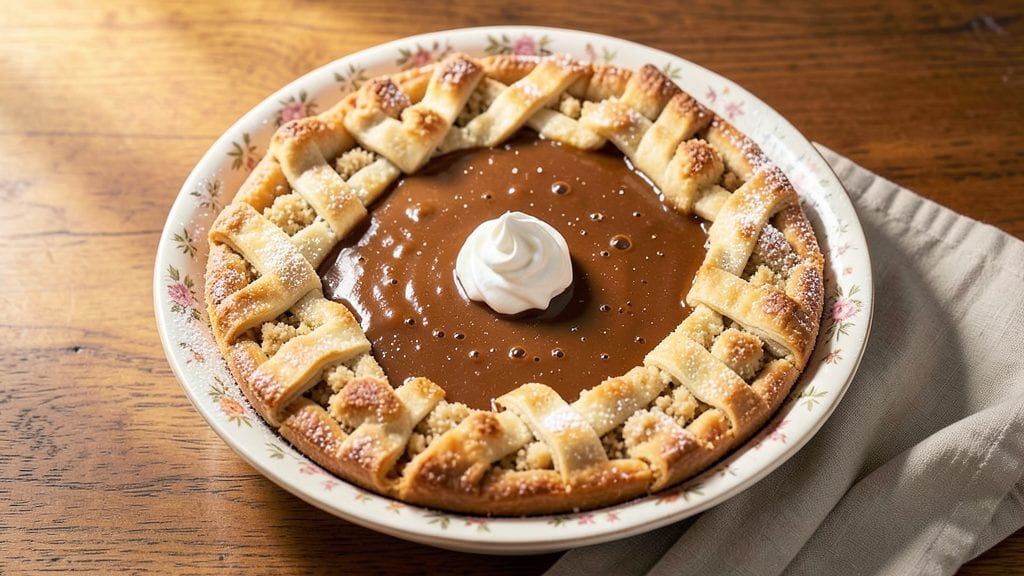
Grandma's butterscotch pie recipe brings back the comforting aroma of homemade dessert that tastes like nostalgia in every bite. The secret lies in a perfectly caramelized butterscotch filling that swirls through a flaky crust, topped with toasted pecans for that signature crunch.
I first learned this recipe from my grandmother, who insisted on caramelizing the sugar slowly to develop deep, warm flavors that set it apart from store-bought versions.
What makes this recipe special is the balance between tradition and modern convenience. You'll start with a classic pie crust, but the filling requires precise technique—melting butter and brown sugar together until it reaches that perfect golden caramel stage.
The toasted pecans add texture and a subtle sweetness that complements the rich filling beautifully. With just 45 minutes of active prep and 1 hour of baking, this pie delivers restaurant-quality results without the fuss.
The final product is a pie with a golden, flaky crust that encases a velvety butterscotch filling, its caramelized swirls peeking through the top. The toasted pecans on top add a satisfying crunch that contrasts perfectly with the soft, gooey filling.
This is the kind of dessert that feels like a hug—warm, comforting, and impossible to resist. Serve it with a scoop of vanilla ice cream for the ultimate indulgence.
Perfect for family gatherings, holiday desserts, or just treating yourself to a little homemade comfort. The recipe includes tips for achieving that signature caramelized filling and ensuring the crust stays crisp. Let's get baking!
Ingredients for grandma's butterscotch pie
Twelve ingredients, one nostalgic masterpiece—Grandma's butterscotch pie starts with a flaky crust and ends with golden caramel swirls.
| Ingredient | Amount | Notes |
|---|---|---|
| Unsalted Butter 🧈 | 1 cup | Cold, cubed for flaky crust |
| All-Purpose Flour 🌾 | 2 ½ cups | Plus 1 tbsp for dusting |
| Granulated Sugar 🍚 | ½ cup | For crust, plus extra |
| Ice Cubes ❄️ | ½ cup | For chilled dough |
| Light Brown Sugar 🍚 | 1 ½ cups | Packed, for caramelization |
| Unsalted Butter 🧈 | ½ cup | Melted, for filling |
| Heavy Cream 🥛 | 1 cup | Full-fat for richness |
| Vanilla Extract 🌸 | 1 tbsp | Pure, high-quality |
| Salt 🧂 | ½ tsp | Fine sea salt |
| Pecans 🌰 | 1 ½ cups | Chopped, raw or toasted |
| Granulated Sugar 🍚 | ¼ cup | For topping pecans |
| Egg Yolk 🥚 | 1 whole | For egg wash |
| Cornstarch 🌾 | 1 tbsp | For thickening filling |
The butter matters most here—European-style unsalted butter (like Plugrá) gives that signature flakiness, but Land O'Lakes works in a pinch. For the crust, keep everything cold: chill your butter, flour, and even the mixing bowl. King Arthur flour is my go-to for pie crusts—it behaves better than store brands. The brown sugar for the filling? Light brown, packed tightly—dark brown will overpower the butterscotch flavor. If you're in a hurry, Trader Joe's sells pre-mixed pie crusts that save time, though nothing beats homemade for that buttery aroma.
No vanilla extract? Vanilla bean paste works wonders—just use half the amount. Running low on heavy cream? Half-and-half plus 1 tbsp cream cheese mimics the richness. For the pecan topping, raw pecans toasted in a dry pan add the best crunch, but store-bought toasted pecans (like Planters) save time. The cornstarch is non-negotiable—it keeps the filling from turning gummy. Pro tip: Mix it with a little cold water before adding to the hot filling for a smoother texture. And if you're feeling fancy, swap half the pecans for walnuts or hazelnuts for a twist on the classic.
This pie tastes even better the next day—cover loosely with foil if storing overnight to trap moisture. Keeps 3-4 days in the fridge, but honestly? It disappears faster than that. For make-ahead magic, bake the crust, fill it, then refrigerate overnight before baking. The filling thickens beautifully when cold. Freeze for up to 3 months—just thaw at room temp before serving. And if you're serving a crowd, double the filling and use two 9-inch crusts. Trust me, you'll be glad you did.
Why You'll Love This Recipe
- No-Fuss Crust: I swear by that cold butter and flour mix—just pulse it in a food processor until it looks like wet sand. No rolling required, no fussing with pie weights, and the result? A flaky, buttery blanket that holds up to the rich filling without cracking.
- Caramel Magic: That brown sugar and sugar combo cooked down with butter? It’s where the real charm lives. The ice cubes dumped in at the end give you that signature butterscotch swirl—creamy, nutty, and just sweet enough to make you reach for another slice.
- Weeknight Hero: Between us, this pie is my go-to when I’m too tired to bake from scratch. The filling comes together in one pot, the crust takes five minutes, and it’s ready while dinner simmers. (Yes, even on a Tuesday night.)
- Budget-Smart Luxury: Butterscotch pie feels fancy, but it’s actually dirt cheap—just sugar, butter, and flour. A single pie serves eight, and leftovers? They’re even better the next day when the flavors meld. My kids ask for it more than takeout.
Step-by-step instructions for grandma's butterscotch pie
Here's how to craft this decadent pie with layers of buttery crust, rich caramel swirls, and nutty crunch.
Craft the Perfect Flaky Crust
Cut the 1 cup unsalted butter into ½-inch cubes and place in a large bowl. Sprinkle over the 2.5 cups all-purpose flour and 0.5 cup granulated sugar, then add 0.5 tsp salt. Toss with a fork until the mixture resembles coarse crumbs with pea-sized butter pieces.
Add the 0.5 cup ice cubes and gently work the dough with your fingers until it just begins to clump together. Avoid overmixing—this prevents tough crust. Divide the dough into two equal portions, flatten into discs, wrap in plastic, and refrigerate for at least 1 hour (or up to 2 days). The cold dough is essential for that signature flakiness.
Prepare the Butterscotch Filling
In a heavy saucepan, melt the 0.5 cup unsalted butter over medium heat. Stir in the 1.5 cups light brown sugar and 1 tbsp cornstarch, then gradually whisk in the 1 cup heavy cream. Bring to a gentle boil, stirring constantly, until the mixture thickens to a pudding-like consistency—this should take about 5-7 minutes. Here's the thing: you want it to coat the back of a spoon when you lift it.
Remove from heat and stir in the 1 tbsp vanilla extract. Let the filling cool completely before assembling the pie—this prevents the crust from becoming soggy. Meanwhile, toast the 1.5 cups pecans in a dry skillet over medium heat for 3-4 minutes until fragrant, then sprinkle with 0.25 cup granulated sugar and toss to coat. Set aside to cool.
Assemble the Pie with Precision
Roll out one dough disc on a floured surface to fit a 9-inch pie dish, leaving a ½-inch overhang. Transfer to the dish and trim the edges, leaving the overhang intact. Prick the bottom with a fork to prevent air pockets. Pour the cooled butterscotch filling into the crust, then sprinkle the toasted pecans evenly over the top.
Roll out the second dough disc and place it over the filling. Press the edges together to seal, then crimp decoratively with your fingers or a fork. Brush the top crust with the 1 whole egg yolk diluted with 1 tablespoon water for a golden finish. Cut 4-5 slits in the center to allow steam to escape.
Bake to Golden Perfection
Preheat your oven to 375°F. Place the pie on a parchment-lined baking sheet to catch any drips. Bake for 45-50 minutes until the crust is deep golden brown and the filling bubbles through the slits. The filling should be set but still jiggly in the center—like a warm pudding.
Let the pie cool completely on a wire rack before slicing. This resting period allows the filling to firm up and the flavors to meld. Serve warm with a dollop of whipped cream or a scoop of vanilla ice cream for that ultimate butterscotch experience.
Pro Tips For Making Grandma'S Butterscotch Pie
- Whip the Butter Cold: Take that unsalted butter straight from the fridge—no softening needed. I learned this the hard way after making a greasy mess trying to mix it with sugar at room temp. Cold butter creates flakier layers in the crust, and it won’t melt into a sad puddle when you roll it out.
- Ice Cubes First: Add ice cubes to your sugar-butter mix before you start beating. This isn’t just for temperature control—it’s the only way to get that signature butterscotch caramel without burning the sugar. Skip this, and you’ll end up with a grainy, overcooked filling that tastes like burnt candy.
- Don’t Overmix the Dough: Once the flour starts coming together in the crust, stop mixing. I used to knead it like bread dough, and it turned out tough and dry. Press the dough into the pan gently—just until it holds shape. Overworking it guarantees a crust that cracks or tastes like cardboard.
- Bake Until the Center Jiggles: The filling should look set but still wobble slightly in the middle when you shake the pie plate. I used to pull it out too early, thinking it was done, only for it to turn gummy later. A toothpick test is useless here—trust the jiggle. Cover it loosely with foil if the edges brown too fast.
Common mistakes when making perfect results
Overmixing the Crust
I’ve seen this happen more times than I can count—overworking the pie dough turns it tough instead of flaky. The moment those butter pieces disappear into the flour, you’ve lost the flakiness. Work the dough just until it clumps together, then stop.
If the dough feels sticky, chill it for 15 minutes before rolling. Cold butter is your friend here—it creates those beautiful layers when it melts in the oven. 🧈
Skipping the Chill Time
Rushing the 1-hour chill for the crust is a big mistake. Cold dough prevents the butter from melting too soon, which keeps those delicate layers intact. If you’re in a hurry, pop the dough in the freezer for 20 minutes—just don’t skip it entirely.
The same goes for the filling: cooling it completely before assembling ensures the crust stays crisp, not soggy. Patience here makes all the difference.
Undercooking the Filling
The filling needs to thicken to a pudding-like consistency—no exceptions. If it’s still runny when you pour it into the crust, it’ll leak out during baking. Keep stirring until it coats the back of a spoon.
And don’t rush the cooling step! A warm filling will turn the crust to mush. Let it sit at room temperature for 30 minutes before assembling. Trust me, it’s worth the wait. 🍯
Using the Wrong Sugar
Dark brown sugar in the filling will make your pie taste more like molasses than butterscotch. Stick with light brown sugar packed tightly into the measuring cup. For the crust, granulated sugar is fine, but don’t substitute it with powdered—it’ll dissolve too quickly and make the dough sticky.
And if you’re using a pre-mixed crust, check the sugar content—some brands add extra, which can throw off the flavor balance.
Neglecting the Pecan Toasting
Raw pecans lack the depth of flavor that toasted ones bring. Toast them in a dry skillet over medium heat for 3-4 minutes until fragrant—no need to color them. Then, toss with sugar while they’re still warm for a caramelized crunch.
Skipping this step means your pie will taste flat and lack that signature nutty crunch. Pro tip: Toast the pecans in batches so they don’t burn. 🌰
Overbaking the Pie
That golden-brown crust is tempting, but don’t bake the pie until the filling is set but still jiggly in the center. Overbaking dries out the filling and turns it grainy. Aim for 45-50 minutes at 375°F, then check for doneness.
If the filling isn’t quite set, tent the pie with foil and bake for another 5-10 minutes. The pie will continue cooking as it cools, so resist the urge to bake it to perfection right out of the oven.
Nutrition facts
Frequently asked questions
Can I make this pie without a top crust?
For an open-faced version, simply pour the cooled filling into the unbaked bottom crust and top with toasted pecans. Bake as directed, but reduce the time to 35-40 minutes to prevent overbrowning. The filling will set beautifully without a top crust, and the pecans will stay perfectly crunchy.
Why does my butterscotch filling taste too sweet?
Too much sugar in the filling can overpower the butterscotch flavor. The recipe uses 1.5 cups light brown sugar for the filling—pack it firmly in the measuring cup to avoid extra sweetness. For balance, reduce sugar by 2 tablespoons or add 1 teaspoon lemon juice to brighten the flavor. The toasted pecans also help cut through sweetness with their nutty depth.
How do I fix a soggy crust?
A soggy crust usually means the filling wasn't cooled enough before assembly. Always let the filling sit at room temperature for 30 minutes until it thickens to pudding consistency. For extra insurance, pre-bake the bottom crust for 10 minutes at 375°F before adding filling. This creates a barrier that keeps the crust crisp.
Can I substitute pecans with another nut?
Yes! Walnuts or hazelnuts work beautifully as substitutes. Toast them as directed, then toss with sugar for that same caramelized crunch. For a different texture, try chopped almonds or even candied ginger for a spiced twist. Just remember to toast them first—the flavor difference is significant!
How long can I store leftovers?
This pie tastes even better the next day! Store covered at room temperature for 2-3 hours or refrigerate for up to 4 days. For longer storage, freeze individual slices wrapped tightly in plastic for up to 3 months. Thaw overnight in the fridge before serving. The filling firms up beautifully when chilled, making it perfect for make-ahead desserts.