Sauces & Condiments
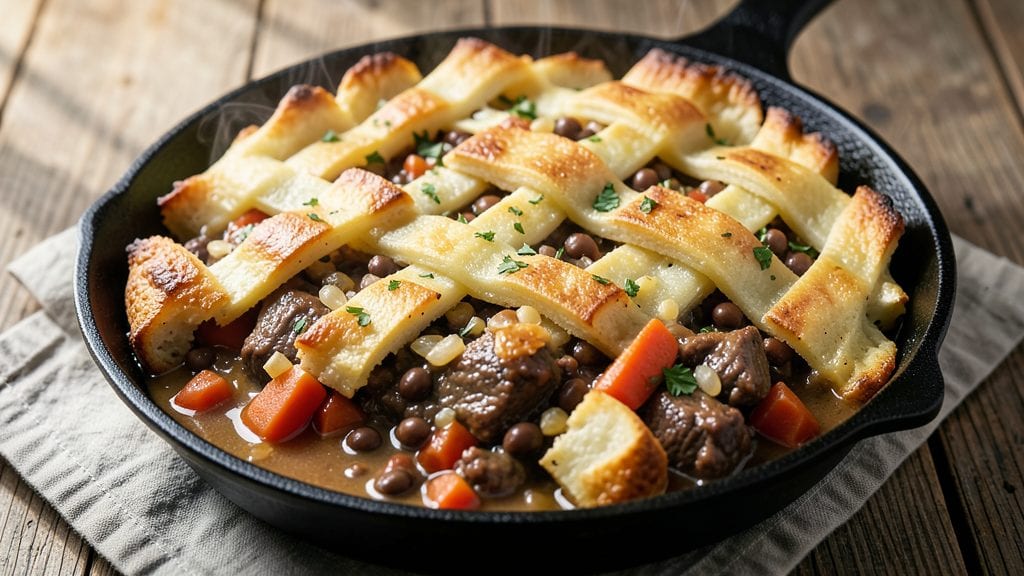
Jamie Oliver's allotment cottage pie transforms humble ingredients into a hearty, comforting dish that tastes like home. This recipe captures his signature rustic approach—using seasonal vegetables, lean beef, and lentils to create a filling that's both nourishing and deeply flavorful.
The secret lies in slow-cooked meat and vegetables, finished with a golden, crispy potato topping that seals in every savory bite.
What makes this cottage pie special is its simplicity and sustainability, inspired by Oliver's allotment philosophy. You'll start with tender beef and lentils simmered in rich gravy, then layer it with roasted vegetables and a creamy mashed potato crust.
The result is a dish that's perfect for family dinners or meal prep, packed with protein and vegetables without sacrificing flavor.
By the time it emerges from the oven, you'll have a cottage pie with a crispy, golden top that contrasts beautifully with the tender filling beneath. The aroma alone will have everyone gathering around the table, while the first bite delivers layers of savory, herby goodness.
This is comfort food at its finest—warm, satisfying, and full of allotment-inspired goodness.
Serve with a fresh green salad or steamed green beans to balance the richness, and enjoy knowing you've created a dish that's both nourishing and delicious. Let's get started on this allotment-inspired masterpiece!
Ingredients for jamie oliver allotment cottage pie
Seasonal vegetables, tender beef, and hearty lentils create this allotment-inspired cottage pie—rustic comfort in every bite.
| Ingredient | Amount | Notes |
|---|---|---|
| Lean Beef Chuck Roast 🥩 | 1 ½ lb | Cut into 1-inch cubes |
| Brown Lentils 🌾 | 1 cup | Dry, rinsed thoroughly |
| Carrots 🥕 | 3 medium | Peeled, sliced into rounds |
| Onions 🧅 | 2 medium | Yellow or red, diced |
| Garlic Cloves 🧄 | 4 cloves | Minced for depth of flavor |
| Russet Potatoes 🥔 | 3 large | Peeled, boiled for mash |
| Whole Milk 🥛 | ½ cup | Full-fat for creaminess |
| Unsalted Butter 🧈 | 4 tbsp | Cold, for flaky layers |
| Beef Stock 💧 | 2 cups | Homemade or high-quality |
| Tomato Paste 🍅 | 2 tbsp | Smooth, for richness |
| Fresh Thyme 🌿 | ¼ cup | Leaves only, chopped fine |
| Fresh Parsley 🌿 | ¼ cup | Chopped for brightness |
| Olive Oil 🫒 | 2 tbsp | Extra-virgin for roasting |
| Salt 🧂 | 1 ½ tsp | Kosher or sea salt |
| Black Pepper 🌶️ | 1 tsp | Freshly ground for heat |
The beef should have good marbling for flavor, but lean cuts work too—just don’t overcook. Costco or Whole Foods carry excellent chuck roast, but any butcher will trim it for you. Lentils? Brown or green both work, but brown holds shape best. For the carrots and onions, farmers market produce has more vibrant color and sweetness. The thyme and parsley? Fresh is non-negotiable here—they’re the herbs that make this taste like Oliver’s allotment. If you’re short on time, dried works at half the amount, but it won’t be the same.
No beef stock? Chicken stock with a splash of soy sauce works in a pinch, but the umami depth suffers. Fresh thyme out of season? Substitute with 1/3 the amount of dried, but toast it first in a dry pan for 30 seconds to wake up the flavor. The tomato paste can be swapped for 1/2 cup crushed tomatoes, but you’ll lose that concentrated richness. For the potatoes, Yukon Golds mash beautifully, but Russets are the classic choice. If you’re prepping ahead, roast the veggies and cook the filling separately—they’ll keep 3 days in the fridge.
This pie reheats like a dream—350°F for 20-25 minutes until the top is golden and crispy. Leftovers? Even better the next day as flavors meld. Store in an airtight container for 4 days, or freeze the filling and topping separately for 3 months. Pro tip: Assemble it just before baking so the top stays crisp. And if anyone asks, the secret to that golden crust? Cold butter rubbed into the mashed potatoes—don’t skip it.
Why You'll Love This Recipe
- One-Pot Magic: I swear by this recipe when I’m too tired to wash another dish. The beef, lentils, and veg all simmer together—no separate pans, no fuss—just rich, hearty goodness that smells amazing while it cooks. Honestly, the only cleanup is the plate.
- Lentils Do the Work: Between us, the brown lentils are the MVP here. They soak up all the beefy flavor while adding that perfect meaty texture without the cost or mess. That crispy top? It’s like a hug for your taste buds—golden, savory, and impossible to resist.
- Leftover Goldmine: This pie tastes even better the next day, which means I make it on Sundays and eat it all week. Freeze half if you’re feeling ambitious—just reheat and serve, no defrosting drama. My kids beg for seconds, and I don’t even have to pretend it’s fancy.
- Budget-Friendly Feast: Lean beef chuck roast stretches further than you’d think, especially with lentils bulking it out. Carrots and onions are cheap, garlic makes everything sing, and suddenly you’ve got a restaurant-quality meal for half the price. (Yes, even on a Tuesday night.)
Step-by-step instructions for jamie Oliver's allotment cottage pie
Here's how to build this hearty, herb-infused cottage pie with layers of flavor and texture.
Brown the Beef and Build the Filling Base
Heat the 2 tablespoons olive oil in a large Dutch oven over medium-high heat. Add the 1.5 lb lean beef chuck roast, cut into 1-inch cubes, and brown in batches for 4-5 minutes per batch until deeply caramelized. This step develops the rich, meaty foundation of your pie.
Once all beef is browned, transfer it to a plate. In the same pot, add the 2 medium onions and 3 medium carrots, both diced, along with the 4 cloves minced garlic. Cook for 5 minutes until softened. Stir in the 2 tablespoons tomato paste, scraping up any browned bits from the bottom of the pot—this adds depth of flavor.
Return the beef to the pot and pour in the 2 cups beef stock. Add the 1 cup brown lentils, 0.25 cup fresh thyme, and 0.25 cup fresh parsley, then bring to a simmer. Cover and cook for 30 minutes on low heat, stirring occasionally, until the lentils are tender and the liquid has reduced slightly. Season with 1.5 teaspoons salt and 1 teaspoon black pepper. This filling should be rich, savory, and just thick enough to hold its shape when layered.
Prepare the Creamy Potato Topping
While the filling simmers, boil the 3 large russet potatoes in salted water until fork-tender, about 15-20 minutes. Drain well and return them to the pot. Let them steam-dry for 2 minutes to remove excess moisture—this ensures a crispy topping.
Mash the potatoes with the 4 tablespoons unsalted butter and 0.5 cup whole milk until smooth and fluffy. The mixture should be light and airy, with no lumps. Fold in 1 teaspoon salt and 0.5 teaspoon black pepper to season. Spread this layer evenly over the filling in the Dutch oven, creating a smooth, even surface. This creamy topping will seal in the flavors and create a golden, crispy crust.
Bake Until Golden and Bubbling
Preheat your oven to 400°F. Place the Dutch oven on a baking sheet to catch any spills, then bake for 25-30 minutes until the topping is golden brown and the edges are crispy. The filling should be bubbling underneath, indicating it’s heated through and the flavors have melded.
Here’s the thing—don’t overbake. You want the topping to be golden and slightly crisp, not dry or burnt. The pie will continue cooking slightly as it rests, so pull it out when the edges are just starting to turn golden. Let it rest for 10 minutes before serving—this allows the juices to redistribute, ensuring every bite is moist and flavorful.
Serve with Fresh Herbs and Crispy Topping
Garnish the cottage pie with an extra sprinkle of fresh parsley and a drizzle of olive oil for brightness and richness. Serve immediately while the topping is still crispy and the filling is piping hot. This dish is best enjoyed straight from the oven, with the flavors at their peak.
For extra flair, pair it with a simple green salad or steamed vegetables. The contrast of textures—creamy topping, tender filling, and crisp greens—makes this cottage pie a complete, satisfying meal. The herbs and lentils add a touch of earthiness that balances the richness of the beef, making it a true allotment-inspired dish.
Pro Tips For Making Jamie Oliver Allotment Cottage Pie
- Brown Lentils First: Cook the lentils until they’re just tender—about 15 minutes before the recipe says. Overcooking turns them mushy, and you’ll end up with a gluey filling instead of that perfect, chunky texture. Trust me, you’ll taste the difference when they hold their shape under the mashed potato topping.
- Sear the Beef Hard: Don’t skimp on the sear—get those beef pieces deep brown on all sides before adding liquid. I used to rush this, and the flavor was always flat. A hot pan and 3-4 minutes per side (yes, even if it looks done) locks in that rich, meaty taste the whole dish needs.
- Drain Lentils Cold: After cooking, spread the lentils on a tray and let them cool completely before mixing into the beef. I learned this the hard way—warm lentils make the filling soggy when you assemble it later. Cold lentils blend in smoothly without turning the pie into a sad, watery mess.
- Pre-Cook Carrots Separately: Chop the carrots small (about ½ cm dice) and boil them for 8-10 minutes before adding to the beef. This ensures they’re tender but not falling apart when you mix everything together. Skipping this step means you’ll end up with crunchy bits in an otherwise creamy filling—no one wants that.
Common mistakes when making this recipe
Overcooking the Beef
One of the biggest mistakes is letting the beef get tough during the browning stage. Lean cuts like chuck roast can dry out quickly if cooked too long over high heat. I’ve learned to work in batches—4-5 minutes per batch—until deeply caramelized but still juicy.
Use a meat thermometer to check: pull the beef when it hits 145°F internal temperature. Overcooked beef turns the whole filling dry, no matter how good the mashed potato topping. 🌡️
Skipping the Browned Bits
Those golden brown bits stuck to the bottom of your Dutch oven are flavor gold! They’re packed with Maillard reaction goodness that builds depth. When you add the tomato paste, scrape them up with a wooden spoon—don’t just stir and leave them.
This step makes the difference between a good filling and an extraordinary one. I’ve ruined pies by rushing this part, and it’s a mistake I won’t make again. 💡
Underseasoning the Filling
The filling needs bold seasoning because the potato topping can mute flavors. Taste as you go! After adding the lentils and herbs, simmer uncovered for 5 minutes and adjust salt and pepper. I often add an extra ½ teaspoon salt and ¼ teaspoon black pepper at this stage.
The herbs (especially thyme) mellow during cooking, so don’t hold back. A well-seasoned filling tastes amazing even reheated. 🧂
Mashing Potatoes Too Early
Adding cold potatoes to hot filling can cause the topping to steam instead of crisp. Let the filling cool slightly (10 minutes) before assembling. Also, don’t overmash—lumpy potatoes create a better crust.
I use a potato ricer for ultra-smooth mash, but a fork works too. The key is cold butter rubbed into the mash before spreading—this ensures a flaky, golden crust. 🥔
Baking Without a Sheet Pan
Dutch ovens leak! Place yours on a baking sheet to catch any overflowing filling or gravy. I’ve learned this the hard way—cleanup is easier when you’re not scrubbing a greasy oven floor.
Also, don’t overcrowd the oven: Bake at 400°F with space around the pot for even heat circulation. A crowded oven leads to uneven browning. 🔥
Serving Too Soon
Resting the pie for 10 minutes after baking is non-negotiable. This lets the filling set and the juices redistribute. Cutting into it too early means a soggy topping and dry filling.
I’ve seen home cooks rush this step, and it’s a shame—patience pays off with perfect texture. Garnish with fresh parsley right before serving to keep it vibrant. ✨
Nutrition facts
Frequently asked questions
Can I make this cottage pie ahead of time?
Assemble the pie (without baking) up to 2 days ahead and refrigerate. When ready to bake, add 10-15 minutes to the baking time at 400°F to account for the cold start. For freezing, prepare the filling and topping separately—freeze each component for up to 3 months. Assemble and bake straight from frozen, adding 15-20 minutes to the cooking time.
What can I substitute if I don’t have beef?
This dish works beautifully with lentils only for a vegetarian version—just increase the lentils to 1.5 cups and add 1 cup mushrooms or 1 diced eggplant for heartiness. For a meat alternative, try ground turkey or chicken thighs, but brown them thoroughly to mimic the beef's depth.
Why is my potato topping soggy?
Soggy topping usually means one of two things: either the filling was too wet (simmer longer to reduce liquid) or the potatoes weren’t dry enough. Always steam-dry boiled potatoes for 2 minutes before mashing, and let the filling cool slightly (10 minutes) before adding the topping. Cold butter rubbed into the mash also helps create a crispier crust.
Can I use sweet potatoes instead of russets?
Sweet potatoes will work, but they’ll change the flavor and texture. Their natural sweetness pairs well with the savory filling, but they’ll produce a denser, less fluffy topping. For best results, use 50% sweet potatoes and 50% russets, or stick with russets for the classic cottage pie experience.
How do I make this dish more flavorful?
Boost the flavor with these pro tips: Add 1 teaspoon Worcestershire sauce to the filling, swap half the beef stock for red wine, or stir in 1 tablespoon Dijon mustard with the tomato paste. For extra richness, top with a sprinkle of grated Parmesan before baking. The herbs are key—never skip fresh thyme and parsley!