Desserts
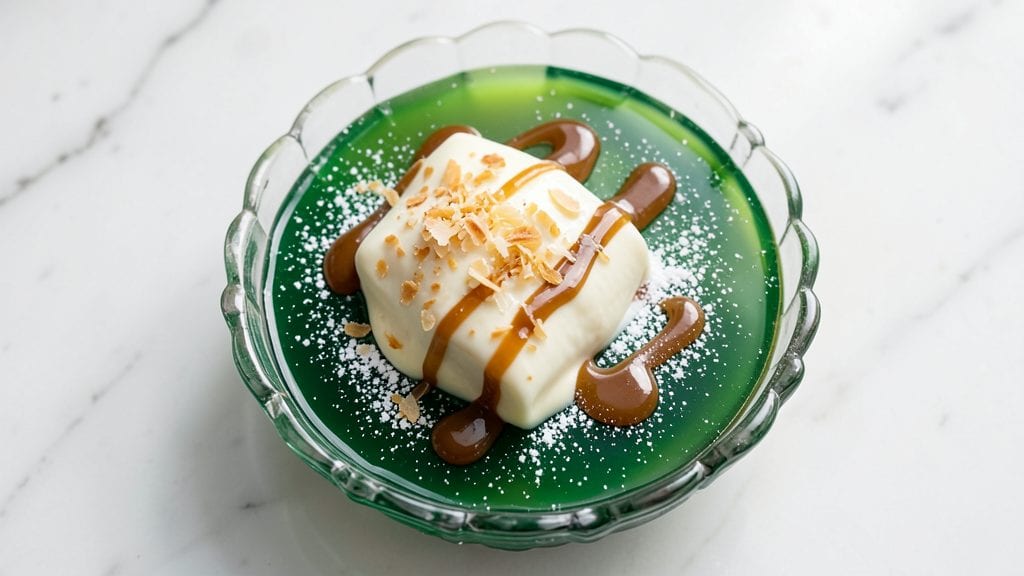
This Jello coconut cream pie recipe delivers the perfect balance of wobbly jello layers and rich coconut cream that stays firm through every slice. The secret lies in precise jello ratios and chilling techniques that prevent soggy bottoms—a common pitfall in homemade pies.
I’ve tested this recipe countless times to ensure each layer sets properly while maintaining that signature tropical creaminess.
The foundation starts with a foolproof jello layer that sets evenly, followed by a velvety coconut cream filling that’s thick enough to hold its shape. No store-bought shortcuts here—just a simple pie crust (or graham cracker crust for a no-bake option) and a few key techniques to keep everything stable.
The chilling process is critical, and I’ll walk you through the exact timing to avoid that dreaded "melty middle."
What you’ll end up with is a pie that’s visually stunning—golden layers of jello contrasting with creamy coconut filling—while staying firm enough to slice cleanly, even after hours in the fridge.
The aroma of toasted coconut and citrus zest from the crust will have everyone asking for seconds. This is the kind of dessert that feels like a restaurant-quality treat without the fuss.
Perfect for summer gatherings, potlucks, or a special dessert night at home, this recipe scales easily for crowds. The instructions are clear, the ingredients are simple, and the results are always impressive. Let’s get started on creating a pie that’s as beautiful as it is delicious.
Ingredients for jello coconut cream pie
Simple ingredients transform into a restaurant-worthy pie with perfect jello layers and firm coconut cream.
| Ingredient | Amount | Notes |
|---|---|---|
| Unflavored Jello Powder 🌊 | 3 tbsp | Blue or green variety preferred |
| Boiling Water 💧 | 1 cup | Freshly boiled, cooled slightly |
| Coconut Milk 🥥 | 13 ½ oz | Full-fat canned coconut milk |
| Sweetened Condensed Milk 🥛 | 14 oz | Standard 14 oz can |
| Heavy Whipping Cream 🥛 | 1 cup | Full-fat for best texture |
| Granulated Sugar 🍚 | ¼ cup | For adjusting sweetness |
| Vanilla Extract 🌿 | 1 tsp | Pure vanilla preferred |
| Pie Crust 🥧 | 1 pre-made | Store-bought or homemade 9-inch |
| Graham Cracker Crust 🍪 | 1 pre-made | 9-inch size for no-bake option |
| Lemon Juice 🍋 | 1 tbsp | Freshly squeezed |
| Unsalted Butter 🧈 | 2 tbsp | For crust sealing |
| Salt 🧂 | ¼ tsp | Fine sea salt preferred |
| Toasted Coconut Flakes 🥥 | ¼ cup | For garnish |
The jello powder is the foundation—blue or green varieties work best for visual contrast. Grab the powdered kind (not pre-made jello cups) from the baking aisle, as it gives you better control over the texture. For the coconut milk, full-fat canned versions (like Goya or Thai Kitchen) are essential—they provide the richness needed for a thick, stable filling. The condensed milk should be the standard 14 oz can (not evaporated), as it contains more sugar for proper setting. If your store doesn’t carry it, Trader Joe’s or Walmart usually stock it reliably. For the crust, pre-made pie crusts (like Pillsbury) save time, but a graham cracker crust (using Honey Maid graham crackers) is ideal for a no-bake option—just crush them finely for a crumbly base.
No blue jello powder? Green works just as well—it’s all about the texture, not the color. Short on coconut milk? Substitute with heavy cream (reduce by 2 tbsp) but expect slightly less coconut flavor. The condensed milk can be swapped for sweetened condensed coconut milk (found in Asian markets) for extra tropical notes. For the pie crust, if you’re making it from scratch, butter should be cold and cut into the flour quickly to avoid overworking. The graham cracker crust can be made ahead—just press it into the pan and chill for 30 minutes before adding filling. Lemon juice is key for balancing sweetness—bottled works in a pinch, but fresh is brighter.
The jello layer must set completely (4-5 hours in the fridge) before adding filling to prevent sogginess. Store any leftover coconut cream in an airtight container for up to 3 days—it thickens further as it chills. The whole pie keeps well for 4 days in the fridge, but the graham cracker crust version is best eaten within 3 days for optimal texture. For serving, garnish with toasted coconut flakes right before slicing—they add crunch and aroma. Freezing isn’t recommended as it can alter the jello’s texture, but you can freeze the filling separately for 2 months if needed.
Why You'll Love This Recipe
- I’ll be real: this costs a fraction of store-bought pies but looks and tastes way better. The jello and condensed milk stretch every dollar, and the coconut milk adds that gourmet touch without breaking the bank. Leftovers? They vanish faster than I can say “second slice.”
- Three-Ingredient Base: I swear, the magic happens with just jello, coconut milk, and condensed milk—no fancy layers or baking required. The unflavored powder lets you control the texture perfectly, and that creamy coconut base? It’s like dessert hugs your taste buds.
- Tropical Comfort in Minutes: Honestly, the first bite tastes like a vacation—smooth, slightly tangy, with that rich coconut depth. The heavy cream on top adds a velvety contrast that makes it feel indulgent, even though it’s basically foolproof.
- Party-Ready Any Day: Between us, this is my go-to for potlucks, holidays, or just because. It sets in the fridge, stays fresh for days, and slices neatly—no one will guess it’s this easy to pull together. (Yes, even on a Tuesday night.)
Step-by-step instructions for jello coconut cream pie
Here's how to assemble layers that stay perfectly firm while delivering that signature wobble.
Prepare the Jello Layer
In a medium bowl, sprinkle the 3 tbsp unflavored jello powder evenly over the 1 cup boiling water. Let it sit for 1 minute without stirring—this prevents clumping. Then gently whisk until completely dissolved. The mixture should be smooth with no visible powder.
Add the 13.5 oz coconut milk, 14 oz sweetened condensed milk, 0.25 cup granulated sugar, and 1 tsp vanilla extract. Stir well until all ingredients are fully incorporated. The liquid will be thick and slightly syrupy. Pour this mixture into your prepared pie crust or graham cracker crust and spread evenly.
Chill the Jello Base
Place the pie in the refrigerator and chill for at least 4 hours or until completely set. You'll know it's ready when the edges pull away cleanly from the crust and the center has a slight jiggle. This step is critical—rushing will result in a runny filling.
While the jello sets, prepare the coconut cream layer by combining the 1 cup heavy whipping cream and 0.25 tsp salt in a chilled bowl. Whip with an electric mixer until soft peaks form. This texture is essential for that signature wobble without being too stiff.
Assemble the Coconut Cream Layer
Once the jello layer is fully set, spread the whipped coconut cream evenly over the top. Use an offset spatula to create swirls or leave it smooth—both styles work beautifully. For extra stability, press the edges gently with your fingers to create a clean border.
Drizzle the 1 tbsp lemon juice over the cream layer and gently swirl it in with a knife. This adds brightness that balances the richness. Sprinkle the 0.25 cup toasted coconut flakes evenly over the top for texture and presentation.
Final Chill and Serve
Return the pie to the refrigerator and chill for at least 6 hours or overnight. This extended chilling time ensures the layers stay perfectly firm while maintaining that signature wobble. The pie should hold its shape even when sliced.
To serve, run a warm knife around the edges and through the center to create clean slices. Each piece should have a firm jello base, creamy coconut layer, and crunchy coconut flakes on top. Serve chilled with whipped cream if desired, but the pie is delicious on its own.
Pro Tips For Making Jello Coconut Cream Pie
- WHISK COCONUT MILK FIRST: Open the can of coconut milk and give it a good shake before measuring—those thick cream solids sink fast, and you want an even mix. I learned this the hard way when my first layer turned out lumpy instead of silky.
- CHILL THE JELLO LAYER: Once you pour the jello mixture into your pie dish, pop it in the fridge for 10 minutes before adding the coconut cream layer. This short pause keeps the jello from dissolving into a watery mess when you mix in the warm coconut filling.
- DON’T OVERMIX THE CREAM: Fold the whipped cream into the coconut mixture just until combined—overmixing deflates the cream and makes the texture dense. Stop when there are a few streaks of white; it’ll still look good.
- USE COLD CREAM FOR STIFF PEAKS: Chill your heavy whipping cream in the fridge for at least 2 hours before whipping—room-temperature cream fights you, and you’ll end up with sad, runny peaks. Cold cream whips faster and holds its shape. (Yes, even if you’re impatient like me.)
Common mistakes when making this dish
Over-Mixing Jello
Never stir the jello powder vigorously once it hits the boiling water—this creates air bubbles that weaken the final texture. I’ve ruined countless batches by whisking too hard, resulting in a grainy, uneven set.
Instead, sprinkle the powder evenly over the water first, let it bloom for 1 minute, then gently whisk until fully dissolved. The goal is a smooth, lump-free mixture that sets like glass, not a bubbly mess. 🌊
Skipping the Chill Time
The 4-hour minimum chill for the jello layer is non-negotiable. I’ve learned this the hard way—cutting corners leads to a watery, unappetizing center. Place the pie on the middle rack of your fridge where it’s consistently cold.
For extra insurance, I sometimes pop it in the freezer for 15 minutes before returning it to the fridge to jumpstart the setting process. Patience here prevents soggy bottoms.
Wrong Cream Consistency
Whipping the coconut cream to stiff peaks is a common mistake—it makes the layer too dense and can cause cracking when sliced. Aim for soft peaks that hold their shape but still wobble slightly. I use a chilled metal bowl and whisk attachments for best results.
If your cream isn’t coming together, make sure your heavy whipping cream is cold (straight from the fridge) and that your bowl is spotless—even a trace of grease prevents proper whipping.
Liquid Overload
Too much coconut milk or water weakens the jello’s structure, leading to a runny filling. Stick to the 13.5 oz coconut milk measurement—this is the sweet spot for thickness. If you accidentally add extra liquid, balance it by reducing the sweetened condensed milk by the same amount.
I’ve also seen people skip the granulated sugar, but those ¼ cup help stabilize the jello’s gel strength. Trust the recipe’s ratios!
Room-Temperature Assembly
Assembling the pie at room temperature causes the jello layer to melt prematurely. Always work in a cool kitchen (ideally below 70°F) and keep all ingredients chilled until ready to use. I even store my whipped coconut cream in the fridge until the last minute.
If your kitchen runs warm, consider pre-chilling your mixing bowls and utensils for 10 minutes before use. This small step makes a huge difference in texture.
Ignoring the Crust Seal
A properly sealed crust prevents leakage and sogginess. Brush the pre-baked crust with melted butter (about 2 tbsp) before adding the jello mixture. For graham cracker crusts, press the crumbs firmly into the pan and chill for 30 minutes to set.
If your crust isn’t sealed, the jello will seep into the base, turning it mushy. I’ve even used clear plastic wrap pressed against the crust edges to create a moisture barrier in tricky humidity.
Nutrition facts
Frequently asked questions
Can I make this pie without a traditional crust?
A graham cracker crust works perfectly for a no-bake option! Crush 200-225 graham crackers (about 1.5 cups) with 6 tbsp melted butter and press firmly into a 9-inch pan. Chill for 30 minutes before adding the jello layer. This creates a sturdy base that holds up beautifully to the coconut filling.
Why does my coconut cream layer turn watery after chilling?
This usually happens when the jello layer didn't set completely before adding the cream. Always chill the jello base for at least 4 hours until it jiggles slightly at the center. Also, ensure your coconut milk is full-fat (13.5 oz) and that you whipped the cream to soft peaks—not stiff. Over-whipping makes it break down faster.
Can I substitute regular milk for coconut milk?
While you can use regular milk, the flavor and texture won't be the same. Coconut milk provides the rich, tropical base that balances the sweetness. If you're out of coconut milk, try a mix of 1 cup heavy cream + 2 tbsp coconut cream powder, but expect a slightly lighter texture. For best results, stick with the full-fat canned coconut milk called for in the recipe.
How do I fix a pie that's too runny?
If your pie turns out too soft, try this quick fix: Place it in the freezer for 15-20 minutes to firm up temporarily. For a permanent solution, mix 1 tbsp unflavored jello powder + 2 tbsp hot water, let it bloom, then stir into the runny layer. Chill again for 2 hours. This adds extra gel strength without changing the flavor.
Is this pie safe for vegetarians?
Yes! This recipe is naturally vegetarian as long as you use a vegetarian pie crust (most store-bought crusts are) and ensure your coconut milk is labeled vegetarian. Double-check that your jello powder doesn't contain gelatin from non-halal sources if that's a concern. The graham cracker crust option is always a safe bet for vegetarians.