
Desserts
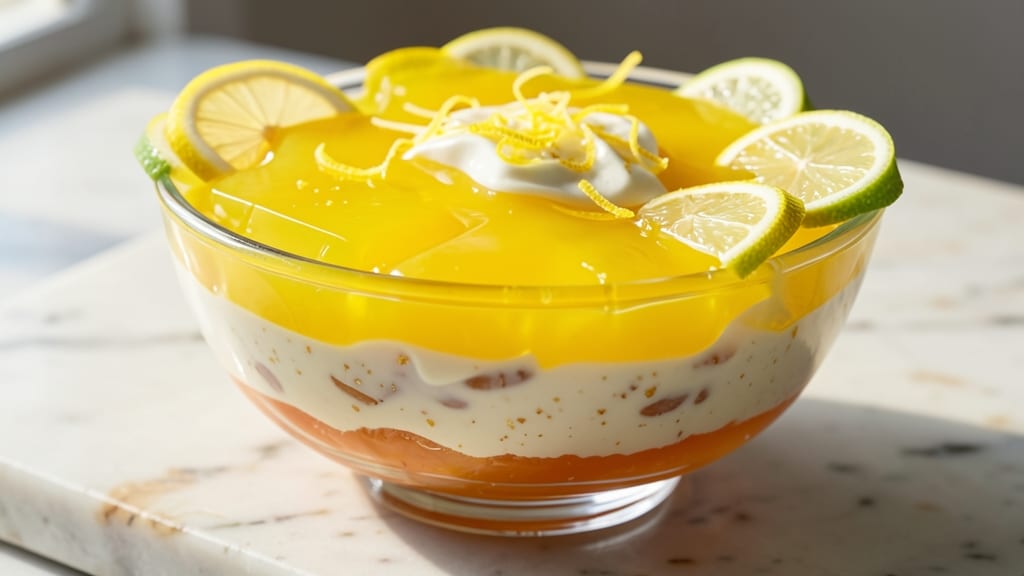
This Jello lemon instant pudding and pie filling recipe transforms a childhood classic into a bright, tangy dessert that feels both nostalgic and refreshingly modern.
The secret lies in balancing the sharp citrus of lemon with the creamy texture of gelatin, creating a dessert that’s light yet satisfying—perfect for summer gatherings or a quick treat when cravings strike.
I’ve refined this over years to ensure the pudding sets just right while the pie filling stays vibrant and flavorful, never cloying.
The process is straightforward but requires attention to timing, particularly when working with gelatin. You’ll need just 10 minutes of active prep followed by 4 hours of chilling, making it ideal for meal prep or last-minute entertaining.
The lemon’s zesty kick comes through in every spoonful, whether you serve it as a classic pudding, layer it in a pie, or top it with whipped cream and crushed cookies for extra texture. This version keeps the simplicity of instant pudding while elevating it with professional-level results.
What sets this apart is the pie filling variation, which adds a rustic touch by combining the pudding mixture with a buttery crust. The filling stays thick and spreadable, with a subtle lemon glaze that glistens under the light.
For those who prefer it solo, the pudding alone is rich and velvety, with a clean finish that cuts through rich meals. The best part? You can customize it with fresh lemon zest, a sprinkle of meringue, or even a swirl of honey for added depth.
Whether you’re whipping up a batch for a potluck or treating yourself to a midweek dessert, this recipe delivers comfort in every bite—familiar enough to feel like home, yet bright and unexpected enough to impress. Let’s get started on creating your own zesty twist on a dessert classic.
Ingredients for jello lemon instant pudding and pie filling
Bright citrus meets classic comfort—just 14 ingredients for two desserts in one.
| Ingredient | Amount | Notes |
|---|---|---|
| Lemon Jello Mix 🍋 | 1 box | Unsweetened, 3 oz size |
| Granulated Sugar 🍚 | ½ cup | For extra sweetness |
| Unsweetened Almond Milk 🥛 | 2 cups | Or any dairy milk |
| Unflavored Gelatin 🍬 | 2 tbsp | Plus 2 tbsp cold water |
| Fresh Lemon Juice 🍋 | ¼ cup | About 2-3 lemons |
| Fresh Lemon Zest 🍋 | 1 tbsp | Fine grated, optional |
| Heavy Whipping Cream 🥛 | ½ cup | For pie filling only |
| All-Purpose Flour 🌾 | ¼ cup | For pie crust thickening |
| Unsalted Butter 🧈 | ¼ cup | Cold, cubed for crust |
| Salted Butter 🧈 | 2 tbsp | Melted for pie filling |
| Vanilla Extract 🌸 | ½ tsp | Pure extract preferred |
| Whipped Cream 🍦 | 1 cup | For topping (optional) |
| Crushed Graham Crackers 🍪 | ½ cup | For garnish (optional) |
| Granulated Sugar 🍚 | 1 tbsp | For pie filling glaze |
The lemon Jello mix is your foundation—unsweetened is key for that tangy punch. Trader Joe's or Walmart usually stock it near the gelatin aisle, but check the label for 'unsweetened' if you want extra zing. Fresh lemon juice is non-negotiable here; bottled juice works in a pinch, but it lacks that bright, fresh flavor. For the gelatin, Great Lakes brand is my go-to—it dissolves perfectly without graininess. The almond milk adds a subtle nutty note, but dairy milk keeps it classic. If you're making the pie filling, grab Hershey's baking chips for the crust—they melt beautifully without burning.
No fresh lemons? Bottled lemon juice (like ReaLemon) is fine, but add 1 extra tablespoon to compensate for the milder taste. Short on almond milk? Oat milk or coconut milk works, but the texture gets slightly thinner. For the pie filling, cornstarch can replace flour if you prefer—just use 0.25 tbsp instead. The whipped cream can be store-bought, but homemade (with a pinch of sugar) tastes fresher. No graham crackers? Crushed gingersnaps or shortbread cookies add a different buttery crunch. The vanilla extract is optional but recommended—it rounds out the sharp lemon flavor beautifully.
The Jello mixture keeps for 5 days in the fridge, covered tightly. For the pie filling, assemble the crust first, then chill the filling separately before adding—this prevents a soggy bottom. Freeze the filling for up to 3 months if you're prepping ahead; thaw in the fridge overnight. The whipped cream topping should be added right before serving—it melts fast. If you're making this for a crowd, double the pudding batch and use two 9-inch pie crusts for the filling. The crust can be pre-baked or blind-baked; I prefer the latter for extra flakiness.
Why You'll Love This Recipe
- No-Fuss Magic: I swear by this recipe when I need dessert in 10 minutes flat. Just boil water, stir in the Jello mix and sugar, then fold in the almond milk—no fancy gadgets, no waiting forever. The gelatin sets while I’m still wiping the spoon.
- Zesty Tang Alert: That fresh lemon juice? It’s the secret weapon. The store-bought mix is good, but adding a splash of real juice (and a pinch of extra sugar if you’re bold) turns it from “fine” to “oh hell yes.” The result? A bright, citrusy punch that doesn’t taste like artificial lemonade.
- Dual-Purpose Genius: Make a double batch—one for pudding, one for pie filling. Serve the pudding chilled with whipped cream or layer it in cups for a no-bake dessert. Use the extra filling to top yogurt, ice cream, or even a quick cheesecake. It’s my lazy Sunday hack for when I can’t decide what I want.
- Budget Brightener: Almond milk keeps costs low while adding creaminess, and the gelatin stretch goes a long way. I’ve made this for potlucks, kids’ birthdays, and “I need something citrusy” moments—all without breaking the bank. Plus, leftovers? They last days in the fridge, so no sad wasted pudding here.
Step-by-step instructions for Jello lemon instant pudding and pie filling
This classic comfort dessert comes together with simple steps and bold citrus flavor.
Prepare the Lemon Jello Pudding
In a medium saucepan, combine the 2 cups unsweetened almond milk and 0.5 cup granulated sugar over medium heat. Stir until the sugar dissolves completely and the mixture reaches a gentle simmer. Remove from heat and let it cool for 5 minutes—it should be warm but not hot to the touch.
While the milk mixture cools, sprinkle the 1 box lemon jello mix evenly over 2 tablespoons unflavored gelatin in a large mixing bowl. Pour the warm milk mixture over the jello-gelatin combination and whisk vigorously until fully dissolved. Add the 0.25 cup fresh lemon juice and 1 tablespoon fresh lemon zest, then stir well to combine. Here's the thing—this mixture will look thin, but it will thicken beautifully as it chills.
Pour the pudding mixture into a 9x9-inch baking dish or individual serving cups. Cover with plastic wrap and refrigerate for at least 4 hours or until completely set. The pudding should have a firm, jiggly texture when ready.
Make the Lemon Pie Filling
In a separate bowl, whisk together the 0.5 cup heavy whipping cream, 2 tablespoons salted butter, 0.5 teaspoon vanilla extract, and 1 tablespoon granulated sugar until smooth. Set this mixture aside.
In a medium saucepan, melt the 0.25 cup unsalted butter over low heat. Stir in the 0.25 cup all-purpose flour and cook for 1-2 minutes until the mixture forms a thick paste. Slowly whisk in the 0.5 cup heavy whipping cream mixture while continuing to cook over low heat for 5-7 minutes, stirring constantly, until the filling thickens to a pudding-like consistency. You'll know it's done when it coats the back of a spoon smoothly.
Remove from heat and stir in the 0.25 cup fresh lemon juice and 1 tablespoon fresh lemon zest. Let the filling cool to room temperature before using—this ensures a smooth texture when layered in your pie crust.
Assemble the Pie (Optional)
If you're making the pie version, press 0.5 cup crushed graham crackers mixed with 2 tablespoons cold unsalted butter into a 9-inch pie crust or use a pre-made graham cracker crust. Pour the cooled lemon pie filling into the crust and spread evenly. Chill in the refrigerator for at least 2 hours before serving.
For the pudding-only version, simply top the set pudding with 1 cup whipped cream and a sprinkle of crushed graham crackers before serving. The contrast of creamy whipped topping and tangy lemon creates that perfect balance of comfort and zing.
Serve with Confidence
Once fully chilled, the pudding should hold its shape when gently shaken. For the pie, slice into 6 equal wedges and serve immediately. The filling should be thick but still smooth, with a bright lemon flavor that cuts through the richness of the crust.
Don't skip the garnish—add a dollop of whipped cream and a sprinkle of crushed graham crackers to each serving. The texture contrast makes this dessert truly special. Store leftovers in the refrigerator for up to 3 days, though I promise it won't last that long!
Pro Tips For Making Jello Lemon Instant Pudding And Pie Filling
- Bloom the Gelatin Right: Split the unflavored gelatin sheets into quarters and sprinkle them over ¼ cup cold water first—this speeds up hydration without risking clumping. I learned this the hard way after watching my gelatin turn into a useless blob when I tossed whole sheets into hot liquid.
- Strain the Almond Milk: Unsweetened almond milk has pulp that thickens your pudding unevenly. Strain it through a fine-mesh sieve or cheesecloth before mixing—it makes the texture silky instead of gritty. (Yes, even if you’re impatient like me.)
- Whisk Off Heat: Once the sugar and gelatin mixture hits a boil, remove it from heat before adding the lemon juice. Stirring over residual heat prevents the gelatin from breaking and keeps the lemon flavor bright. I was skeptical until I tried it—now it’s non-negotiable.
- Chill the Jello Mix: Whisk the dry lemon Jello mix into the warm liquid after it’s cooled to body temperature. Cold mix causes lumps that won’t dissolve, no matter how long you stir. (Your future self will thank you for this 30-second wait.)
Common mistakes when making perfect results
Overcooking the Gelatin
Heating the milk mixture too long or too hot can ruin the gelatin’s ability to set properly. I’ve seen this happen when the milk boils—once it reaches a full boil, the gelatin proteins start to break down, and your pudding will end up watery.
Keep the heat at a gentle simmer and remove it as soon as the sugar dissolves. A quick way to check? The mixture should be warm enough to dissolve the gelatin but cool enough to touch with your finger for 5 seconds without discomfort. 🌡️
Skipping the Cooling Step
Pouring the hot milk mixture over the gelatin before it cools is a rookie mistake. The gelatin needs to hydrate gradually to dissolve smoothly. If you skip cooling, you’ll end up with lumpy pudding—those stubborn, grainy bits that ruin the silky texture.
Let the milk cool to room temperature (about 70-75°F) before mixing. I usually set a timer for 5 minutes while stirring occasionally to speed up the process.
Using Bottled Lemon Juice
Bottled lemon juice lacks the brightness and complexity of fresh. While it might seem like a shortcut, the flavor falls flat next to the vibrant tang of freshly squeezed lemon. If you’re using bottled juice, add 1 extra tablespoon and a pinch of citric acid to mimic freshness.
For the best results, I always use freshly zested lemons—the oils in the zest add a fragrant depth that bottled juice can’t match. 🍋
Incorrect Chilling Time
Rushing the chilling process is a common downfall. The pudding needs at least 4 hours to set properly—any less, and it’ll be too soft or even liquid. I’ve learned this the hard way: serving it too soon means a wobbly, unsatisfying texture.
For the pie filling, let it cool completely before assembling to avoid a soggy crust. Pro tip: Place your dish on a cold tray in the fridge to speed up the setting process slightly.
Ignoring the Gluten-Free Option
If you’re using a traditional pie crust, the filling might thicken differently than expected. For a gluten-free version, replace the all-purpose flour with 0.25 tbsp cornstarch and reduce the butter to 1 tbsp. The filling will still hold its shape but with a slightly lighter texture.
Always taste-test the filling before assembling—adjust the lemon juice or sugar as needed to balance the flavors. This small tweak makes all the difference for those with dietary restrictions.
Overmixing the Filling
Once the pie filling reaches the right consistency, overmixing can reintroduce lumps. Stir just until smooth, then remove from heat immediately. The filling should coat the back of a spoon but still be pourable.
If it thickens too much while cooling, whisk in 1-2 tsp warm milk to restore smoothness. The goal is a velvety, spreadable texture—not gluey or grainy. 💫
Nutrition facts
Frequently asked questions
Can I make this pudding without gelatin?
The gelatin is essential for that classic wobbly texture, but you can substitute it with 2 tbsp agar-agar powder for a vegan version. Just follow package instructions—agar-agar requires boiling water, unlike gelatin which dissolves in warm liquids. The flavor will still shine through, though the texture will be firmer.
How do I fix runny pudding?
Runny pudding usually means the gelatin didn't set properly. If it's still in the dish, place it back in the fridge for 1-2 extra hours. For immediate fixes, mix 1 tsp unflavored gelatin with 1 tbsp cold water, heat until dissolved, then stir into the pudding. Chill again for 30 minutes. The key is patience—never rush the chilling time!
Can I use this pudding for cheesecake filling?
This lemon pudding makes an excellent cheesecake filling when mixed with 16 oz cream cheese and 1 cup whipped cream. Fold everything together, pour into a crust, and bake at 325°F for 40-45 minutes. The tangy lemon balances the richness perfectly—just add a lemon glaze on top before serving.
Why does my pie filling taste bland?
Bland filling often means the lemon flavor wasn't strong enough. Boost it by adding 1 extra tbsp lemon zest or 2 tbsp lemon extract (not juice). For depth, stir in ½ tsp vanilla bean paste or a pinch of salt to enhance the citrus. Always taste as you go—adjust sugar or lemon to your preference before baking.
How long does the pie filling keep?
The pie filling stays fresh for 5 days in the fridge when stored in an airtight container. For longer storage, freeze it for up to 3 months. Thaw overnight in the fridge before using. The texture may soften slightly after freezing, but reheating gently (or mixing with 1 tsp extra gelatin) restores firmness.