Desserts
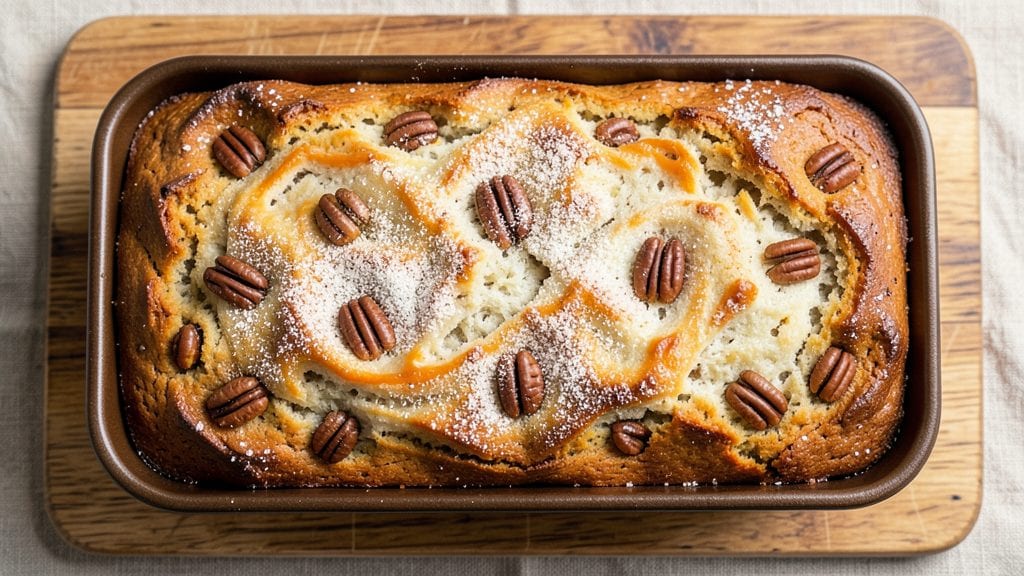
Transform your pumpkin bread routine with Libby’s pumpkin bread recipe with canned pumpkin pie mix—this foolproof version skips fresh pumpkin for a faster, equally delicious loaf.
Using canned pumpkin pie filling as your base creates a moist crumb and rich texture that stays tender for days, while warm cinnamon and nutmeg infuse every slice with that quintessential fall aroma.
The beauty of this recipe lies in its simplicity: just one bowl of mixing, a single baking tray, and 30 minutes of active time before you slide it into the oven.
I developed it after years of testing pumpkin bread variations, and this version consistently delivers that perfect balance of sweetness and spice—no overmixing, no guesswork, just reliable results every time.
What you’ll end up with is a loaf of pumpkin bread with a golden crust, a tender interior studded with flecks of cinnamon, and a scent so inviting it’ll have everyone gathering around the kitchen.
The canned pumpkin filling cuts down on prep while keeping the flavor deep and authentic, making this the ideal recipe for both beginners and seasoned bakers.
Optional add-ins like chopped pecans or a swirl of cream cheese frosting let you customize it to your taste, while the recipe scales easily for gifts or gatherings. Let’s make this bread!
Ingredients for libby's pumpkin bread recipe with canned pumpkin pie mix
One can of pumpkin pie filling, a few pantry staples, and you're ready for golden, spiced perfection.
| Ingredient | Amount | Notes |
|---|---|---|
| Canned Pumpkin Pie Filling 🎃 | 1 can | 15 oz can, not pumpkin puree |
| All-Purpose Flour 🌾 | 1 ½ cups | Sifted for light texture |
| Granulated Sugar 🍚 | 1 ½ cups | White or light brown |
| Packed Brown Sugar 🍚 | ½ cup | Light or dark variety |
| Unsalted Butter 🧈 | ½ cup | Room temperature, full-fat |
| Large Eggs 🥚 | 2 whole | Room temperature for mixing |
| Vanilla Extract 🌿 | 1 tbsp | Pure, not imitation |
| Ground Cinnamon 🍃 | 2 tbsp | Freshly ground preferred |
| Ground Nutmeg 🌿 | 1 tsp | Freshly grated preferred |
| Ground Ginger 🌶️ | 1 tsp | Freshly ground preferred |
| Baking Powder 🍞 | 1 tsp | Aluminum-free preferred |
| Baking Soda 🍞 | ½ tsp | Freshly opened |
| Salt 🧂 | ½ tsp | Fine sea salt |
| Chopped Pecans 🥜 | ½ cup | Toasted for extra flavor |
| Vegetable Oil 🫒 | ½ cup | For greasing pan |
The canned pumpkin pie filling is the secret weapon here—Libby's is my go-to because it's sweetened just right for baking. Grab the 15-ounce can (not the puree), and check the label for no added spices. For the spices, Penzeys or bulk bins at natural food stores give you the freshest ground cinnamon and nutmeg, but the regular grocery store stuff works fine if it's not ancient. The butter matters too—use full-fat, room temperature** (the good stuff, not the pre-melted tub). I always buy extra because it makes everything better.
No pecans? Chopped walnuts or chocolate chips work in a pinch, though they change the texture. Short on brown sugar? Substitute white sugar plus 1 tbsp molasses for that caramel note. The vanilla extract should be pure—imitation smells like perfume. For the spices, if you've got whole spices, toast and grind them fresh (game changer). No fresh nutmeg? Mace is a decent substitute at half the amount. And if you're worried about overmixing, this dough is forgiving—just mix until combined.
This bread keeps beautifully—3-4 days at room temperature wrapped in foil, or 1 week in the fridge. For longer storage, freeze the whole loaf for up to 3 months. I like to slice and freeze individual portions for quick toast. The scent alone will have your house smelling like fall. And if you're making this for gifts? Wrap slices in parchment with a ribbon—everyone will think you're a pro.
Why You'll Love This Recipe
- Pantry Magic: I swear by this recipe because it uses exactly what’s already in my cupboard—no special trips, no last-minute ingredient hunts. That canned pumpkin pie mix? It’s the secret weapon here, cutting prep time while still delivering that classic spiced-pumpkin flavor.
- Moist Without Effort: Between the brown sugar’s caramel depth and the butter’s rich creaminess, this bread stays tender for days. Honestly, I’ve had slices last over a week in the fridge—still soft, still packed with that warm cinnamon-vanilla punch.
- Holiday or Snack Attack: Serve it warm with a dusting of powdered sugar for Thanksgiving, or pack slices in lunchboxes for a cozy October morning. Between us, my kids beg for it year-round, and I’ve even used it as a base for mini loaves when I’m hosting.
- Budget Baking Wins: This recipe costs me about $3 for a full loaf—no fancy ingredients, no waste. The mix and spices stretch far, and the leftovers? Perfect for quick toast or breakfast sandwiches. (Yes, even on a Tuesday night.)
Step-by-step instructions for Libby's pumpkin bread recipe
This one-bowl method guarantees a tender, spiced loaf with perfect moisture every time.
Mix Wet Ingredients Until Smooth
In a large mixing bowl, combine the 1 can of canned pumpkin pie filling, the 0.5 cup of unsalted butter, and both 1.5 cups of granulated sugar. Use a hand mixer or whisk to blend until the butter is completely incorporated and the mixture looks smooth. The butter should be fully melted and evenly distributed—this prevents a greasy texture later.
Add the 2 whole large eggs, one at a time, mixing well after each addition. Stir in the 1 tablespoon of vanilla extract and the 0.5 cup of packed brown sugar. The mixture should be thick but pourable—this consistency ensures the bread stays moist rather than dry. If it looks too thick, add 1 tablespoon of milk (though we're not using it here, the texture should resemble heavy cream).
Combine Dry Ingredients and Fold Gently
In a separate bowl, whisk together the 1.5 cups of all-purpose flour, the 2 tablespoons of ground cinnamon, 1 teaspoon each of ground nutmeg and ground ginger, 1 teaspoon of baking powder, 0.5 teaspoon of baking soda, and 0.5 teaspoon of salt. Sift the flour mixture directly over the wet ingredients to prevent clumping. Use a spatula to gently fold the dry ingredients into the wet mixture just until combined—overmixing develops gluten and makes the bread dense.
Fold in the 0.5 cup of chopped pecans by hand, reserving a few for the top if you like. The pecans should be evenly distributed, but don't worry about perfect uniformity—they'll spread during baking. This step is where the bread gets its signature texture, so don't skip it. If you're using toasted pecans, their nutty aroma will deepen as they bake.
Prepare the Pan and Transfer the Batter
Preheat your oven to 350°F. Lightly grease a 9x5-inch loaf pan with the 0.5 cup of vegetable oil, using a paper towel to spread it evenly. The pan should be coated but not dripping with oil—this prevents sticking and ensures easy removal. Sprinkle a thin layer of flour over the greased pan and tap out any excess. This double-layer approach guarantees the bread won't stick to the sides.
Pour the batter into the prepared pan and smooth the top with a spatula. Sprinkle any reserved pecans evenly over the top for extra crunch. The batter should fill the pan about 2/3 full—this allows room for rising. Gently tap the pan on the counter once to release any air bubbles trapped in the batter. This simple step prevents sinkage in the center of the loaf.
Bake Until Golden and Springy
Bake the pumpkin bread for 50 to 60 minutes, or until a toothpick inserted in the center comes out clean. The top should be golden brown and slightly cracked, which indicates proper browning. If the top browns too quickly, tent the pan loosely with aluminum foil to prevent over-browning while the center finishes cooking.
Here's the key to moisture: the bread is done when it springs back slightly when pressed in the center. If you press gently with your finger and see a slight indentation that bounces back, it's perfect. If it feels too soft, bake for another 5 to 10 minutes. The internal temperature should reach 205°F—this ensures complete doneness without drying out the crumb.
Cool and Serve for Maximum Moisture
Remove the bread from the oven and let it cool in the pan for 10 minutes. This brief resting period allows the bread to set slightly while retaining moisture. After 10 minutes, transfer the loaf to a wire rack to cool completely. The bread will continue to release steam during this time, which helps maintain its tender texture.
For the best experience, serve the bread at room temperature. The flavors deepen as it cools, and the texture remains moist for several days when stored properly. Wrap any leftovers tightly in plastic wrap or store in an airtight container to preserve freshness. This method ensures every slice stays soft and flavorful, just as you'd expect from a classic pumpkin bread.
Pro Tips For Making Libby'S Pumpkin Bread Recipe With Canned Pumpkin Pie Mix
- Measure Butter Cold: Take the butter straight from the fridge—no softening needed. I used to melt it first, thinking it would blend better, but this recipe actually relies on the butter staying in chunks for that tender crumb. Just cut it into small cubes and let the mixer do the work.
- Whisk Dry Ingredients First: Sift the flour, spices, and pumpkin pie mix together before adding wet ingredients. I learned this after my first batch turned out dense—turns out, clumps in the dry mix weigh down the batter. A quick 30-second whisk with a fork makes all the difference.
- Skip the Overmixing: Mix the batter just until combined—no need to go full speed until the dough pulls away from the bowl. I’ve ruined batches by overworking it, and the bread ends up tough instead of moist. Stop when the flour streaks disappear, even if it looks lumpy.
- Test Doneness with a Toothpick: Pull the bread out when the top springs back slightly and a toothpick comes out with a few moist crumbs, not wet batter. I’ve pulled mine too early (soggy center) and too late (dry crust), and this is the only foolproof way to nail it.
Common mistakes when making this recipe
Overmixing the Batter
I’ve ruined more pumpkin breads than I’d like to admit by overmixing the batter, and I guarantee you’ll get the same dense, tough loaf if you whip this dough like cake batter.
The key is to fold the dry ingredients in just until combined—about 10-15 strokes with a spatula. Overmixing develops gluten, which turns your tender pumpkin bread into a brick. 🥖
Skipping the Room-Temp Butter
Cold butter creates pockets of grease that don’t emulsify properly, leading to a greasy texture or even a split loaf. Always let your butter sit at room temperature for 30-60 minutes before mixing.
If you’re in a hurry, microwave it in 10-second bursts until soft but not melted. Trust me, this one small step makes all the difference in texture.
Underbaking or Overbaking
Pumpkin bread is forgiving, but timing is everything. The bread is done when a toothpick comes out clean and the center springs back slightly when pressed. Underbaking leaves it gummy, while overbaking dries it out.
I recommend baking until the internal temperature hits 205°F—this is foolproof. If the top browns too fast, tent with foil to prevent burning while the center finishes cooking.
Using the Wrong Pumpkin Product
This recipe is designed for canned pumpkin pie filling, not pumpkin puree. The pie filling has just the right sweetness and thickness for baking, while puree is unsweetened and can make your bread taste bland.
Stick with Libby’s or another trusted brand—no substitutions here! If you accidentally grab puree, add 1-2 tablespoons of sugar to compensate for the lack of sweetness.
Ignoring the Cooling Phase
I see so many people slice into pumpkin bread immediately after baking, and it’s a tragedy. Letting the bread cool in the pan for 10 minutes then on a wire rack helps it set properly, keeping it moist.
Skipping this step leads to a crumbly texture. Patience pays off—trust the process! The longer it cools, the better the flavor develops too.
Greasing the Pan Incorrectly
A poorly greased pan is the #1 reason for stuck bread. Lightly coat your 9x5-inch loaf pan with vegetable oil using a paper towel, then sprinkle a thin layer of flour. This double-layer method ensures easy release.
If you skip the flour or use too much oil, you’ll end up scraping bread off the sides. Pro tip: Tap the pan gently on the counter after pouring the batter to release air bubbles and prevent sinkage.
Nutrition facts
Frequently asked questions
Can I use pumpkin puree instead of canned pumpkin pie filling?
This recipe is specifically designed for canned pumpkin pie filling—it's already sweetened and has the perfect thickness for baking. Pumpkin puree lacks that sweetness and can make your bread taste flat. If you must use puree, add 1-2 tablespoons extra sugar to compensate, but the texture may be slightly denser.
How do I store leftovers to keep them moist?
Wrap the cooled loaf tightly in plastic wrap or store it in an airtight container at room temperature for 3-4 days. For longer storage, freeze slices wrapped individually for up to 3 months. The key is preventing air exposure—this preserves moisture and flavor. Reheat slices in the microwave for 10-15 seconds to restore freshness.
What's the best way to add extra flavor?
Try swirling in cream cheese frosting or adding chopped chocolate chips to the batter. For a spiced twist, fold in 1 teaspoon of pumpkin pie spice with the dry ingredients. If you love crunch, toast the pecans in the oven with 1/4 teaspoon cinnamon before adding them. These tweaks elevate the classic recipe without changing the texture.
Why did my bread turn out dense?
Overmixing the batter develops gluten, making the bread tough. Mix just until combined (10-15 strokes) and avoid using cold butter. Also check your baking powder—if it's old, it loses lift. For extra moisture, brush the top with simple syrup after baking and let it cool completely before slicing.
Can I make this in a bundt pan instead?
Yes! Reduce the oven temperature to 325°F and bake for 45-55 minutes in a greased bundt pan. The baking time depends on your pan size—insert a toothpick to test doneness. For best results, reduce the batter by 1/4 cup to prevent overflow. The shape will be stunning, but the texture remains the same.