
Desserts
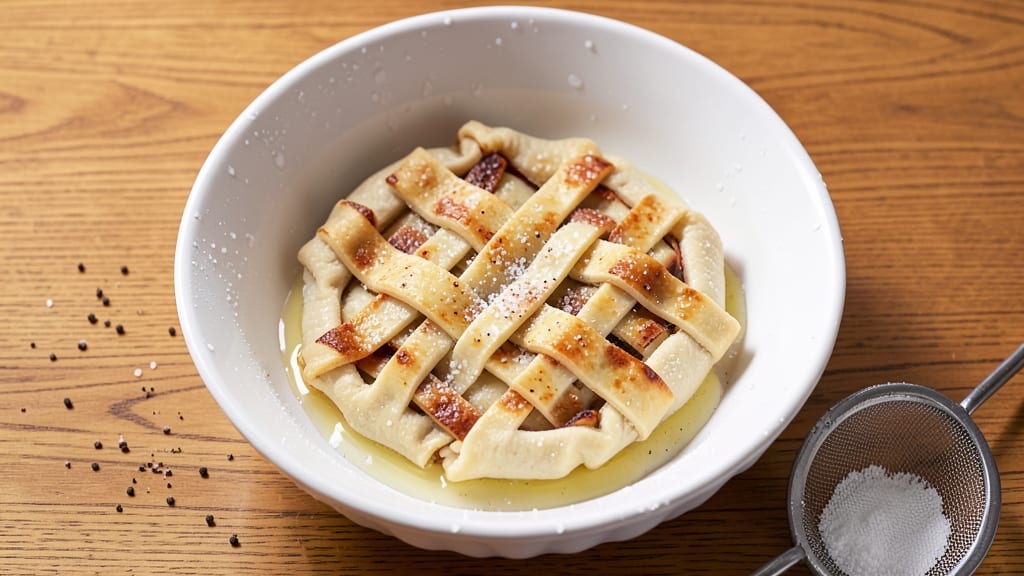
The Magnolia Table pie crust recipe is the foundation of Southern hospitality baked into golden, flaky layers that hold up to even the richest fillings.
This isn’t just any crust—it’s the kind that stays crisp at the edges while remaining tender enough to melt in your mouth, a technique I’ve perfected after years of baking pies for holiday gatherings.
The secret lies in the precise ratio of cold butter to flour, cut just until the mixture resembles coarse crumbs, ensuring those signature layers without overworking the dough.
What sets this crust apart is its foolproof method: no food processor required, no tricky folding, just simple techniques that deliver restaurant-quality results at home. The dough rests twice—first in the fridge, then again after rolling—to relax the gluten and prevent shrinking during baking.
This patience pays off in a crust that’s sturdy enough to hold sweet potato, pecan, or fruit fillings without losing its structure, even when sliced.
By the time you pull it from the oven, you’ll have a golden, lattice-topped pie that looks as impressive as it tastes—crisp enough to cut cleanly, tender enough to be irresistible. The aroma alone will fill your kitchen with warmth, making every bite feel like a slice of Southern tradition.
This crust is the heart of any great pie, and once you try it, you’ll never go back to store-bought.
Perfect for Thanksgiving, Christmas, or any gathering where dessert steals the show, this recipe scales easily for crowds while keeping the same flawless texture. Let’s get started on a crust that’s as much about love as it is about technique—because the best pies start with the right foundation.
Ingredients for magnolia table pie crust
Nine simple ingredients transform into the perfect buttery Southern crust for any pie.
| Ingredient | Amount | Notes |
|---|---|---|
| All-Purpose Flour 🌾 | 2 ½ cups | Sifted for even texture |
| Unsalted Butter 🧈 | 1 cup | Cold, cubed into 1/2-inch pieces |
| Ice Water 💧 | ½ cup | Chilled to keep dough firm |
| Diamond Crystal Kosher Salt 🧂 | ½ tsp | Adjusts to taste |
| Granulated Sugar 🍚 | 1 tbsp | Balances butter sweetness |
| White Vinegar 🍶 | 1 tsp | Adds tenderness |
| Large Egg Yolk 🥚 | 1 whole | For binding |
| Cornstarch 🌾 | 1 tbsp | Prevents shrinking |
| Ground Black Pepper 🌶️ | ¼ tsp | Freshly cracked |
| Granulated Sugar (for sprinkling) 🍚 | 1 tbsp | For golden finish |
The butter is non-negotiable here—European-style butter with at least 80% fat gives the flakiest layers. Plugrá or Land O’Lakes European Style are my go-tos, but any good-quality unsalted butter works. Keep those cubes cold as ice—if they soften, pop them back in the freezer for 10 minutes. The flour? King Arthur or Gold Medal are reliable, but don’t stress if you’ve got store-brand. Just sift it first for that light-as-air texture. I always measure my flour by scooping it into the cup and leveling—never packing it down.
No ice water? Freeze a small ice cube tray and use those instead of melting ice. Short on cornstarch? Potato starch works too, but cornstarch is the classic choice. The egg yolk is key—it binds the dough without adding moisture. If you’re worried about raw egg, pasteurized liquid egg works in a pinch, but fresh is best. For a gluten-free version, swap the flour for a 1:1 blend like Bob’s Red Mill. And trust me, the vinegar makes a difference—it tenderizes the gluten for that melt-in-your-mouth crust.
This dough needs patience—rest it twice for the best results. After mixing, wrap it tightly and refrigerate for at least 1 hour (overnight is even better). When rolling, keep the dough chilled between parchment paper to prevent shrinking. The finished crust keeps 3 days in the fridge wrapped in plastic, or 3 months frozen. For a shortcut, make it ahead and freeze the rolled dough between parchment sheets—just thaw before baking.
Why You'll Love This Recipe
- No-Fuss Mixing: I swear by the "cut-in until it looks like cornmeal" trick—no food processor, no stress. Just cold butter and flour tossed together with ice water until it holds. That’s the kind of crust you can make while scrolling through your phone.
- Sweet-Savory Magic: That touch of sugar in the butter? It’s not just for show—it caramelizes just enough to give every bite a subtle, buttery sweetness that balances rich fillings. (Yes, even savory ones.)
- Universal Crust: Slather it with jam for breakfast, fill it with apples for dessert, or use it as a base for a hand pie—it’s my go-to for potlucks, last-minute dinners, or when I’m too tired to fuss. Works every time.
- Budget-Friendly Staples: Flour, butter, salt, sugar—these are pantry basics that won’t break the bank. Plus, the dough keeps for days, so I’m always ready for whatever life (or cravings) throws at me. No wasted ingredients here.
Step-by-step instructions for Magnolia Table pie crust
Here's how to create that signature buttery crust with perfect golden layers every time.
Combine Dry Ingredients for Even Texture
In a large mixing bowl, whisk together the 2.5 cups all-purpose flour, 1 tablespoon granulated sugar, 1 tablespoon cornstarch, 0.5 teaspoon diamond crystal kosher salt, and 0.25 teaspoon ground black pepper. Sift the flour mixture through a fine-mesh sieve directly into the bowl to eliminate any lumps and aerate the flour for a lighter texture. Use a whisk to distribute the ingredients evenly throughout - you should see no visible streaks of flour remaining.
I like to press the sifted flour down gently with my fingers to break up any remaining clumps. This step ensures your crust will have that signature tender crumb while maintaining structure. Keep the bowl ready for the next step - we'll work quickly to keep the butter cold.
Cut in Cold Butter for Flaky Layers
Add the 1 cup unsalted butter, cut into ½-inch cubes, to the flour mixture. Using a pastry cutter or your fingers, work the butter into the flour until you reach pea-sized crumbs with some flour still visible. This texture is crucial - it creates those beautiful flaky layers when baked.
Work quickly but thoroughly, pressing the butter pieces into the flour mixture. The butter should be cold but not frozen - if it starts to melt too quickly, chill the bowl in the refrigerator for 5-10 minutes while you prepare the next ingredients. You're aiming for a texture that resembles coarse sand with some butter pieces still visible.
Add Wet Ingredients and Form the Dough
In a small measuring cup, combine the 0.5 cup ice water, 1 teaspoon white vinegar, and the 1 whole large egg yolk. Stir gently until just combined. The ice water is essential here - it keeps the dough firm during handling and prevents shrinking.
Make a well in the center of your flour-butter mixture and pour in the wet ingredients. Using a fork or dough blade, gently stir until the dough begins to come together. Be careful not to overwork it - just combine until the dough forms a shaggy mass that holds together when pressed.
Shape and Chill the Dough
Turn the dough out onto a lightly floured surface and gently press it into a 1-inch thick disk. Wrap the dough tightly in plastic wrap and refrigerate for at least 2 hours or up to 48 hours. This long chilling time is what gives this crust its signature flakiness and prevents shrinking during baking.
While the dough chills, prepare your work surface and rolling pin. The cold dough will be firm but pliable - if it feels too stiff to handle after chilling, let it sit at room temperature for 10-15 minutes before rolling. Never skip this chilling step - it makes all the difference in achieving that perfect golden crust.
Roll and Fit the Crust
On a lightly floured surface, roll the chilled dough into a 12-inch circle, about ⅛-inch thick. I like to roll from the center outward, rotating the dough as I go to maintain even thickness. If the dough springs back when you lift it, let it rest for 5 more minutes before continuing.
Carefully transfer the rolled crust to a 9-inch pie dish, letting it gently drape over the edges. Trim any excess dough hanging over the edge with a sharp knife. Sprinkle the 1 tablespoon granulated sugar evenly over the crust - this will create that beautiful golden color during baking.
Pro Tips For Making Magnolia Table Pie Crust
- CHILL THE BUTTER FIRST: Take your unsalted butter straight from the fridge—cold but pliable, not rock-hard—and cut it into ½-inch cubes. I learned this the hard way: room-temperature butter melts too fast, and you’ll end up with a greasy mess instead of flaky layers. (Yes, even if you’re impatient like me.)
- WEIGH THE FLOUR: Skip the scooping and use a kitchen scale for the all-purpose flour—this recipe is picky about precision. A packed cup adds too much, and under-measuring means a tough crust. I was skeptical until I tried it; the texture difference is noticeable.
- WORK FAST WITH ICE WATER: Keep your ice water in the freezer until you’re ready to add it, then pour it in slowly while mixing. The goal is just enough moisture to hold the dough together—any more and you’ll end up with a gummy disaster. (Your future self will thank you.)
- REST THE DOUGH LONGER: Give the dough a full 2 hours in the fridge, even if the recipe says 1. This isn’t the prettiest method, but it’s the tastiest: the gluten relaxes, the sugar dissolves evenly, and rolling it out becomes a breeze. I skip this when I’m lazy, but the crust is noticeably better when I don’t.
Creative variations of this recipe
Southern Sweet Potato
Transform this crust into the classic Magnolia Table Sweet Potato Pie by filling it with a spiced sweet potato mixture.
Use 2 cups mashed sweet potatoes (cooked until tender), 1 cup brown sugar, ½ cup evaporated milk, 2 eggs, 1 tsp cinnamon, and ¼ tsp nutmeg. Bake at 375°F for 45-50 minutes until the filling is set but still slightly jiggly. 🍠
Pecan Pie Twist
For a Southern pecan pie variation, spread 1½ cups corn syrup, ½ cup brown sugar, 2 eggs, and 1 tsp vanilla over the crust. Top with 2 cups pecan halves and bake at 350°F for 50-55 minutes.
The crust’s buttery layers hold up beautifully to the gooey filling, making every bite perfect. 🌰
Classic Apple Crisp
Use this crust as the base for a rustic apple crisp by filling it with 6 cups thinly sliced apples, ¼ cup sugar, 1 tsp cinnamon, and 1 tbsp lemon juice.
Top with a crumble of ½ cup flour, ½ cup brown sugar, and ½ cup cold butter, then bake at 375°F for 40 minutes. The crust stays crisp while the apples soften. 🍎
Savory Option: Chicken Pot Pie
Surprise your guests with a savory twist by using this crust for chicken pot pie. Fill with 2 cups shredded cooked chicken, 1 cup mixed vegetables, ½ cup cream of chicken soup, and ½ cup milk.
Top with another crust or a lattice pattern, then bake at 375°F for 35-40 minutes. The buttery layers add richness to the creamy filling. 🍗
Lattice Top Design
For a stunning presentation, roll out the dough into strips and create a lattice top for fruit pies like peach or berry. Cut strips ½-inch wide, then weave them over the filling in a classic diamond pattern.
Brush with egg wash for extra shine before baking. The crust’s flakiness contrasts beautifully with juicy fillings. ✨
Gluten-Free Adaptation
Swap the all-purpose flour for a 1:1 gluten-free blend (like Bob’s Red Mill) and add ¼ cup xanthan gum to mimic gluten’s structure. Keep the butter cold and handle the dough gently to avoid tearing.
The crust will still hold its shape while staying tender—perfect for those with dietary restrictions. 🌱
Nutrition facts
Frequently asked questions
Why does this crust recipe use ice water instead of regular water?
The ice water keeps the dough firm during handling, preventing shrinking when it goes into the oven. Cold water also helps maintain the butter's temperature, ensuring those perfect flaky layers. Think of it as the secret to a sturdy yet tender crust that won't collapse under rich fillings.
Can I make this crust ahead of time?
Wrap the shaped dough in plastic and refrigerate for up to 48 hours or freeze it for 3 months. For convenience, you can even roll and freeze the crust between parchment paper—just thaw before baking. This makes prep day a breeze for holiday pies.
What's the best way to prevent a soggy bottom?
Pre-bake the crust for 8-10 minutes at 375°F before adding filling, or sprinkle dry breadcrumbs or crushed cookies on the bottom. For fruit pies, use a thickener like cornstarch in your filling. The extra step ensures your crust stays crisp through every bite.
Should I use salted or unsalted butter?
Always use unsalted butter for precise flavor control. The recipe already includes salt, so using salted butter would make the crust too salty. European-style unsalted butter with 80% fat content gives the best flaky texture.
How do I fix a cracked crust after rolling?
Gently press the cracks together with your fingers or use a bit of water to dampen the edges. If the dough feels too stiff, let it rest at room temperature for 10-15 minutes before rolling again. Patience prevents tears—don't force it!