
Desserts
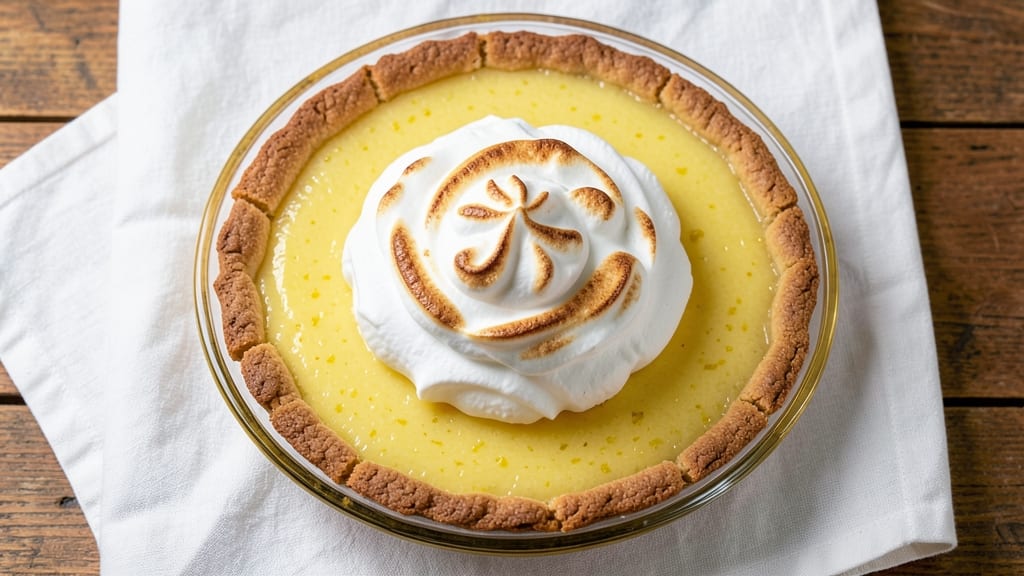
The original Joy of Cooking lemon meringue pie recipe delivers that perfect balance of bright citrus filling and airy meringue—just like the classic you remember. This recipe preserves the signature tartness of the lemon curd while achieving a crisp crust and golden, torched meringue that’s light as a cloud.
The secret lies in precise timing and technique, ensuring every bite captures that nostalgic yet refined flavor.
What sets this version apart is the attention to detail in each layer—the buttery crust stays flaky, the filling remains thick and tangy, and the meringue develops that signature crackle without browning.
I’ve refined this recipe over years, testing everything from crust ratios to meringue stability, so you get foolproof results every time. The joy of cooking truly comes alive when you see that perfect pie emerge from the oven.
By the time you serve this pie, your kitchen will smell like sunshine and citrus, and your guests will be reaching for seconds. The contrast of the tart lemon filling against the sweet, toasted meringue is what makes this dessert unforgettable.
Whether you’re baking for a holiday gathering or simply treating yourself, this recipe delivers restaurant-quality results with a homemade touch.
Ready to recreate this timeless classic? The process is straightforward, but the techniques—like torching the meringue properly—are where the magic happens. Let’s get started on a pie that’s as satisfying to make as it is to eat.
Ingredients for original joy of cooking lemon meringue pie
Classic crust, tangy filling, and cloud-top meringue—just like the original Joy of Cooking recipe promised.
| Ingredient | Amount | Notes |
|---|---|---|
| All-Purpose Flour 🌾 | 2 ½ cups | Sifted for flaky crust |
| Unsalted Butter 🧈 | 1 cup | Cold, cubed for pastry |
| Granulated Sugar 🍚 | ¼ cup | Plus 1 tbsp for crust |
| Kosher Salt 🧂 | ½ tsp | Fine grain preferred |
| Ice Water 💧 | ⅓ cup | Chilled for dough |
| Fresh Lemon Juice 🍋 | 1 ½ cups | From 6-8 lemons |
| Granulated Sugar 🍚 | 1 ½ cups | For lemon curd |
| Large Egg Yolks 🥚 | 4 whole | Room temperature |
| Cornstarch 🌾 | ¼ cup | For thickening |
| Large Egg Whites 🥚 | 5 whole | Room temperature |
| Granulated Sugar 🍚 | 1 cup | For meringue |
| Vanilla Extract 🌿 | ½ tsp | Pure alcohol-free |
The crust is everything here. Crisco or butter? Butter wins for flavor, but if you're in a hurry, Crisco gives that flaky texture without chilling time. I grab Land O'Lakes unsalted butter from the store—it's consistent and cold from the case. For the flour, King Arthur or Gold Medal brands stay sifted longer. The secret's in the ice water: use chilled water straight from the fridge, and don't overmix. This crust needs to be handled like it's fragile—it is. Preheat your oven to 375°F while you work, because that crust needs to bake immediately after rolling.
Fresh lemon juice is non-negotiable. ReaLemon or Florida's Natural from the store are reliable, but if you're using bottled, make sure it's 100% juice with no additives. The yolks should be room temperature—pop them in a bowl with warm water for 5 minutes if they're cold. For the meringue, King Arthur flour works best because it's finely milled, which helps stabilize the peaks. No vanilla? Almond extract at half the amount works in a pinch, but it changes the flavor profile. The sugar for the meringue? Superfine if you can find it, but regular granulated works if you pulse it in a food processor first.
Lemon curd keeps for 3 days in the fridge, but the pie is best eaten within 24 hours of assembly. The crust freezes beautifully—wrap it tightly in plastic and freeze for up to 3 months. For the meringue, torch it until golden, then let it sit for 2 hours to set completely before slicing. I always make this a day ahead—it tastes even better after the flavors meld. Store leftovers covered at room temperature for up to 4 hours, or refrigerate for 2 days. The meringue will soften slightly, but it's still delicious.
Why You'll Love This Recipe
- No-Fuss Crust: I swear by this butter-only crust—just flour, cold butter, and ice water. No food processor, no overworking, just a few quick presses and you’ve got a golden, flaky base that actually holds together. (Yes, even if you’re not a baker.)
- Tart-Sweet Magic: That lemon curd layer? It’s bright, buttery, and just sweet enough to make you forget you’re eating dessert. The meringue tops it with that cloud-like crunch—like sunshine in pie form.
- Weeknight Hero: I’ve served this at holiday dinners, potlucks, and even as a lazy Sunday breakfast. The crust stays crisp, the filling stays thick, and it’s the one dessert that doesn’t feel like a chore to make.
- Budget Bright Spot: Flour, butter, sugar—these are pantry staples that won’t break the bank. Plus, leftovers? They’re even better the next day, so you’re basically getting two desserts for the price of one.
Step-by-step instructions for lemon meringue pie
Here's how to create the perfect balance of zesty lemon curd and billowy meringue—just like the classic version.
Prepare the Crust with Cold Butter
In a large mixing bowl, combine the 2.5 cups all-purpose flour, 0.25 cup granulated sugar, and 0.5 tsp kosher salt. Cut in the 1 cup unsalted butter (cold and cubed) using a pastry cutter or your fingers until the mixture resembles coarse crumbs with pea-sized butter pieces. This texture ensures a flaky crust.
Gradually add the 0.33 cup ice water, 1 tablespoon at a time, mixing gently with a fork until the dough just comes together. Avoid overmixing—just until the dough holds when pressed. Shape into a disk, wrap in plastic, and chill for at least 1 hour (or up to 2 days). The cold dough prevents shrinking when rolled out.
Roll and Blind-Bake the Crust
On a floured surface, roll the chilled dough into a 12-inch circle (about 1/8-inch thick). Transfer to a 9-inch pie dish, trimming any excess dough. Press gently into the bottom and up the sides to create a slight overhang. Prick the bottom with a fork and line with parchment paper, filling with pie weights or dried beans.
Bake in a preheated 375°F oven for 15 minutes, then remove the weights and bake for another 10-12 minutes until the edges are light golden brown. The crust should be set but not browned—this prevents burning when the lemon filling goes in. Let cool slightly before filling.
Make the Lemon Curd Filling
In a medium saucepan, whisk together the 1.5 cups fresh lemon juice, 1.5 cups granulated sugar, 4 whole large egg yolks, and 0.5 tsp vanilla extract. Cook over medium-low heat, stirring constantly with a wooden spoon, until the mixture thickens enough to coat the back of the spoon (about 8-10 minutes).
Remove from heat and strain through a fine-mesh sieve into a clean bowl, pressing on the solids to extract every bit of flavor. Let the filling cool to room temperature before pouring into the crust. This step ensures a smooth, glossy filling without lumps. The curd should be thick but still pourable.
Prepare the Meringue Topping
In a clean, grease-free bowl, beat the 5 whole large egg whites with an electric mixer on medium speed until soft peaks form. Gradually add the 1 cup granulated sugar, 1 tablespoon at a time, increasing the speed to high. Beat until the meringue is stiff, glossy, and holds its shape when the beaters are lifted (about 5-7 minutes).
Spread the meringue over the lemon curd, sealing the edges by gently pressing with a spatula. Use the back of a spoon to create decorative peaks or swirls. Bake in a 350°F oven for 12-15 minutes until the meringue is golden brown and toasted in spots. Watch closely—overbaking turns meringue rubbery.
Cool and Serve for Perfect Texture
Let the pie cool completely on a wire rack (at least 2 hours, or overnight in the fridge). This slow cooling prevents condensation from making the meringue soggy. Serve slices at room temperature for the best texture—cool curd and crisp meringue in perfect harmony.
The filling should be tart and tangy, the crust flaky but sturdy, and the meringue light as a cloud. If the meringue softens too quickly, store the pie in the fridge and bring to room temperature before serving. Enjoy with a dollop of whipped cream for extra indulgence!
Pro Tips For Making Original Joy Of Cooking Lemon Meringue Pie
- CHILL THE BUTTER FIRST: Take the unsalted butter straight from the fridge—cold cubes work better than softened lumps. I learned this the hard way when my crust turned greasy instead of flaky. Cut it into ½-inch pieces and toss them in the flour mix; they’ll melt just enough to create steam pockets without losing shape.
- WEIGH YOUR FLOUR (YES, REALLY): Scooping flour from the bag packs in air, which means your crust will be dry and crumbly. Use a kitchen scale for precision—1 cup of all-purpose flour should weigh about 120 grams. Trust me, your pie crust’s texture will thank you more than you’d expect.
- DON’T OVERMIX THE DOUGH: Once you add ice water, stop stirring the second the mixture clumps together. Overworking it develops gluten, and your crust will turn tough instead of tender. Think "shaggy dog" consistency—messy but holding together.
- BAKE THE CRUST ALONE: Blind-bake the crust for 15 minutes at 375°F (20 minutes if pre-baking longer) before filling. This prevents a soggy bottom when the lemon curd steams during baking. Line it with parchment, fill with pie weights or dried beans, and don’t skip the final 5 minutes unweighted to crisp the edges.
Wine and beer pairings for this original joy of cooking lemon meringue pie
Citrus-Forward Whites
Lemon meringue pie’s bright acidity pairs beautifully with crisp, aromatic white wines that mirror its citrus notes. I reach for a dry Riesling from Germany—like Dr. Loosen Blue Slate—its zesty apple and lime flavors complement the lemon curd perfectly.
The slight sweetness in off-dry Rieslings also balances the tartness, making each bite feel harmonious. For a lighter option, Sauvignon Blanc from New Zealand (think Cloudy Bay) brings herbal notes that cut through the richness of the meringue. 🍷
Sparkling Contrasts
When you want to elevate the pie’s refreshing quality, a chilled Prosecco or Cava is a game-changer. The effervescence cleanses your palate between bites, while the slight sweetness in La Marca Prosecco enhances the meringue’s toasted notes.
For a budget-friendly pick, Freixenet Cordon Negro offers the same crisp acidity without breaking the bank. Serve sparkling wine slightly chilled (45-50°F) to preserve its liveliness alongside the pie’s tangy filling.
Beer Pairings
Don’t overlook beer—especially if you’re serving pie at a casual gathering. A Belgian Witbier like Hoegaarden or Stella Artois (a Belgian-style pilsner) provides a citrusy, spiced contrast that mirrors the lemon’s brightness.
The coriander and orange peel notes in witbiers echo the pie’s zesty profile, while the effervescence keeps the palate fresh. For a malty balance, a light lager like Corona with a lime wedge works surprisingly well, especially if your guests prefer something more approachable. 🍺
Coffee and Tea Pairings
After dinner, a strong black coffee (like Kona or Sumatran) enhances the pie’s citrus notes, creating a bold, aromatic finish. The natural acidity in these coffees mirrors the lemon curd, while the bitterness contrasts the sweet meringue.
For tea lovers, Earl Grey (with its bergamot notes) or jasmine green tea adds a floral layer that complements the pie’s complexity. Serve tea at 180°F to highlight its delicate flavors without overpowering the dessert.
Dessert Wine Harmony
If you’re saving the pie for a special occasion, a Moscato d’Asti or Riesling Spätlese brings just enough sweetness to match the meringue’s caramelized edges. The Moscato’s effervescence and peach notes soften the lemon’s tartness, while the Spätlese’s honeyed richness rounds out the pie’s texture.
Chill these wines to 50-55°F—too warm, and the sweetness becomes cloying. A small glass (just 3 oz) is all you need to enhance the experience without overwhelming the pie’s bright flavors.
Nutrition facts
Frequently asked questions
Why does the meringue sometimes collapse after baking?
The most common causes are humidity or improper mixing. Use a clean, grease-free bowl for beating egg whites and avoid overmixing the meringue—just until stiff peaks form. Also, bake on a middle oven rack where heat circulates evenly, and avoid opening the oven door during baking.
Can I make the lemon curd ahead of time?
The curd keeps well for 3 days in the fridge or even 3 months in the freezer. Just thaw it completely before pouring into the crust. For best flavor, assemble the pie no more than 24 hours before serving to let the tartness develop fully.
How do I get a flaky crust without it shrinking?
Chill the dough for at least 1 hour (longer is better) and handle it as little as possible. Use ice water and keep everything cold—even your rolling pin. When transferring to the pie dish, press gently but firmly to create a slight overhang that prevents shrinking during baking.
What's the best way to torch the meringue?
Use a kitchen torch with a blue flame (not yellow) and keep it 6-8 inches away from the meringue. Work in small sections, moving continuously to avoid browning unevenly. If you don't have a torch, broil for 1-2 minutes but watch closely—broiling can burn faster than torching.
Can I substitute bottled lemon juice for fresh?
While bottled juice works in a pinch, fresh is ideal for authentic flavor. If using bottled, choose 100% pure lemon juice with no additives. For every 1 cup of fresh juice, use 1 cup + 1 tablespoon of bottled juice to compensate for lower acidity.