
Desserts
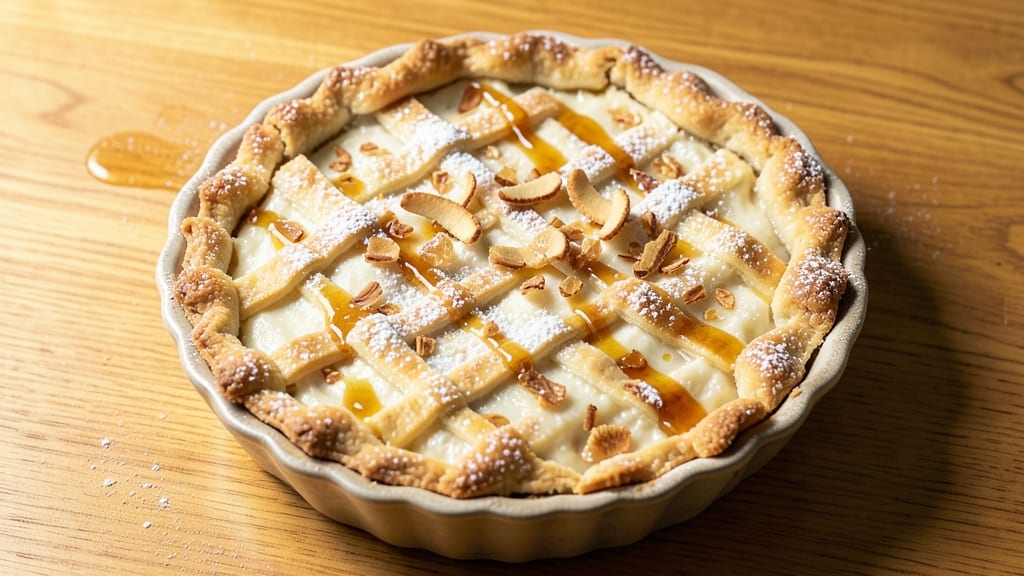
This Southern coconut pie recipe delivers the perfect balance of buttery crust and rich, tropical coconut filling that tastes like summer in every bite.
The secret lies in a flaky, golden crust that holds up to the creamy, custard-like center—just like the pies you’d find at a Southern church social or family gathering.
I’ve perfected this technique over years of baking, ensuring the filling stays perfectly set without being overly firm, and the crust remains crisp yet tender.
The filling is where the magic happens, combining coconut milk, sugar, eggs, and butter to create a velvety texture that’s neither too sweet nor too rich. Traditional Southern methods—like baking at a precise temperature and avoiding overmixing—ensure your pie has that signature smooth, creamy consistency.
The crust, made with cold butter and a touch of vinegar, flakes apart beautifully while providing the perfect contrast to the filling’s luxurious richness.
What you’ll end up with is a pie that’s as impressive to slice as it is to eat—golden crust edges, a smooth coconut filling that’s just firm enough to hold its shape, and a delicate aroma that fills your kitchen.
This recipe is foolproof for beginners and satisfying for experienced bakers, making it the perfect dessert for holidays, potlucks, or a special treat. Let’s get started on creating this classic Southern dessert.
For those who love customization, you can add a sprinkle of toasted coconut flakes on top before baking or serve it with a dollop of whipped cream. The versatility of this pie means it works as a showstopper centerpiece or a simple yet elegant dessert.
Every slice delivers that perfect blend of buttery, tropical flavors that define Southern baking at its finest.
Ingredients for southern coconut pie
Golden crust meets velvety coconut filling—just eight ingredients transform into Southern perfection.
| Ingredient | Amount | Notes |
|---|---|---|
| All-Purpose Flour 🌾 | 2 ½ cups | Sifted for best texture |
| Unsalted Butter 🧈 | 1 cup | Cold, cubed for flaky crust |
| Granulated Sugar 🍚 | ½ cup | White or light brown |
| Salt 🧂 | ½ tsp | Fine sea salt preferred |
| White Vinegar 🍶 | 2 tbsp | For tender crust |
| Ice Water 💧 | ½ cup | Chilled for mixing |
| Coconut Milk 🥥 | 13 ½ oz | Full-fat canned (not carton) |
| Heavy Whipping Cream 🥛 | 1 cup | Full-fat for richness |
| Large Eggs 🥚 | 4 whole | Room temperature |
| Granulated Sugar 🍚 | 1 ½ cups | For filling sweetness |
| Cornstarch 🌾 | ¼ cup | For thick filling |
| Vanilla Extract 🍃 | 1 tbsp | Pure vanilla preferred |
| Toasted Coconut Flakes 🥥 | ¼ cup | Optional garnish |
The crust is where it all begins. Butter needs to stay cold—pull it straight from the fridge and cut it into cubes. King Arthur Flour or Bob's Red Mill are my go-tos for the all-purpose flour, but any good brand works. The vinegar might seem odd, but it tenderizes the crust beautifully. If your kitchen’s humid, chill the dough for 30 minutes before rolling—this prevents shrinking. For extra flakiness, don’t overwork the dough. And trust me, measure your flour—spooning and leveling makes all the difference in that perfect golden crust.
No full-fat coconut milk? Light coconut milk plus 2 tbsp cream works in a pinch, though the texture won’t be quite as rich. The filling sugar can be swapped for turbinado or brown sugar—just reduce by 1 tbsp if using brown. Vanilla extract is non-negotiable here, but if you’re out, 1 tsp vanilla bean paste gives that same luxurious depth. The cornstarch is key for that silky texture—don’t skip it unless you’re comfortable with a firmer filling. And for the coconut flakes? Trader Joe’s unsweetened flakes toast beautifully—just spread them on a baking sheet and dry-toast at 350°F for 5 minutes until golden.
This pie keeps beautifully—3 days at room temperature in an airtight container, or 1 week refrigerated. The crust stays crisp if you store it upside-down. For serving, let it sit at room temp for 20 minutes—the filling softens just enough to slice perfectly. Freeze for up to 3 months by wrapping tightly in plastic and foil. Thaw overnight in the fridge. Pro tip: Brush the crust with a little egg wash before baking for that extra golden shine—worth the extra minute.
Why You'll Love This Recipe
- No-Fuss Crust: I swear by this butter-and-flour crust—just 5 minutes of mixing, no rolling pin required. The vinegar cut-in keeps it tender without fuss, and honestly? It’s the kind of pie where the crust actually disappears when you take a bite.
- Sweet Creamy Magic: That sugar-butter base gets poured with coconut milk, and the way it sets? Silky, not grainy, with a whisper of vanilla. It’s like Southern hospitality in dessert form—rich but not heavy, and every slice feels like a hug.
- Party Ready: Between us, this pie always gets seconds at gatherings. No one questions why you brought it—it’s the crowd-pleaser that works for birthdays, potlucks, or just because. (Yes, even on a Tuesday night.)
- Budget-Friendly Luxury: Flour, butter, sugar—these are pantry staples that won’t break the bank. A single pie feeds six, and leftovers? They’re the best kind: reheated in 30 seconds for a midnight snack or packed for lunch. Zero waste, all win.
Step-by-step instructions for Southern coconut pie
Here's how to create that perfect balance of flaky crust and luscious tropical filling—every slice will be a showstopper.
Prepare the Buttery Crust
In a large mixing bowl, combine the 2.5 cups all-purpose flour with the 0.5 cup granulated sugar and 0.5 teaspoon salt. Whisk until evenly distributed. Cut in the 1 cup unsalted butter using a pastry cutter or your fingers until the mixture resembles coarse crumbs with pea-sized butter pieces. This texture is crucial for achieving that signature flaky crust.
Next, stir in the 2 tablespoons white vinegar and 0.5 cup ice water just until the dough begins to come together. Be careful not to overmix—you're looking for a soft, slightly sticky dough that holds when pressed. Turn it out onto a lightly floured surface and knead gently for about 30 seconds until smooth. Wrap tightly in plastic wrap and refrigerate for at least 1 hour to firm up.
Roll and Blind-Bake the Crust
Preheat your oven to 375°F. On a lightly floured surface, roll the chilled dough into a 12-inch circle about 1/8-inch thick. Transfer carefully to a 9-inch pie dish, trimming any excess dough. Press gently to ensure it fits snugly in the dish.
For the blind-baking process, line the crust with parchment paper and fill it completely with pie weights or dried beans. Bake for 15 minutes, then remove the weights and continue baking for another 10-12 minutes until the edges are lightly golden. The crust should be set but not browned—this prevents burning while ensuring structural integrity for the filling.
Whisk the Tropical Filling
While the crust bakes, prepare the filling by whisking together the 13.5 ounces coconut milk, 1 cup heavy whipping cream, 4 whole large eggs, 1.5 cups granulated sugar, 0.25 cup cornstarch, and 1 tablespoon vanilla extract in a large mixing bowl. The mixture should be smooth and well combined—no lumps allowed. This is your creamy coconut dream filling.
Here's the thing—taste the mixture before proceeding. You want it to be sweet enough to balance the tartness of the crust, but not cloyingly so. If needed, adjust the sugar slightly, but remember this filling will thicken as it bakes. Pour the filling into the pre-baked crust, spreading it evenly to the edges.
Bake to Golden Perfection
Return the pie to the oven and bake at 350°F for 50-55 minutes, until the filling is set but still slightly jiggly in the center. This wobble indicates perfect doneness—it'll firm up as it cools. Watch closely in the last 10 minutes to prevent overbrowning.
When the pie is done, remove it from the oven and let it cool completely on a wire rack for at least 2 hours. This resting period is critical—it allows the filling to fully set and develop that perfect creamy texture. Patience here makes all the difference.
Garnish and Serve
Once completely cooled, sprinkle the pie generously with 0.25 cup toasted coconut flakes for that classic Southern touch. The contrast between the warm coconut and cool filling is what makes this pie truly irresistible. Cut into wedges and serve at room temperature for the best texture.
Real talk—this pie tastes even better the next day as the flavors meld together. Store leftovers covered in the refrigerator for up to 3 days, though I doubt you'll have any left that long!
Pro Tips For Making Southern Coconut Pie
- Chill the Dough: Southern coconut pie crusts are notorious for shrinking if you bake them too soon. After rolling out your butter-and-flour crust, wrap it tightly in plastic and refrigerate for at least 30 minutes—yes, even if you’re eager to get baking. I learned this the hard way when my first attempt puffed up like a sad soufflé and collapsed into a greasy mess.
- Use Cold Butter: Cut your unsalted butter into the flour mixture using a pastry cutter or your fingers—literally pinch it between your thumb and forefinger to test. If it’s even slightly soft, pop it back in the fridge for 10 minutes. Cold butter creates flaky layers; warm butter just makes a dense, greasy blob. (Trust me, I’ve made both.)
- Skip the Vinegar Shortcut: White vinegar is often added to pie dough to tenderize it, but in Southern coconut pie, it’s overkill. The recipe already balances sugar and butter, which naturally soften the crust. If you add vinegar, you’ll end up with a dough that’s too sticky and harder to roll out—especially in humid kitchens. Save it for biscuits or cornbread.
- Blind-Bake the Crust: Southern coconut pie relies on a sturdy crust to hold that thick, creamy filling. After lining your pie dish, prick the bottom with a fork, then cover with parchment paper and fill it with pie weights or dried beans. Bake for 15 minutes at 375°F before adding the filling—this prevents a soggy bottom. I used to skip this, and my crusts always turned to mush.
Serving suggestions for this recipe
Classic Southern Presentation
Slice your pie with a hot knife (dip it in hot water first) for clean, crisp edges that impress every guest. Serve warm slices on white china plates with a dusting of powdered sugar—this adds that final Southern touch while keeping the focus on the creamy filling.
I like to arrange the slices in a circular pattern on a wooden board for a rustic yet elegant presentation. 🍽️
Whipped Cream Pairing
No Southern dessert is complete without a dollop of homemade whipped cream. Use heavy whipping cream chilled overnight, whipped with 1 tablespoon powdered sugar and ½ teaspoon vanilla extract until soft peaks form.
Spoon it generously over each slice—this balances the richness of the coconut filling beautifully. For extra flair, garnish with a few toasted coconut flakes on top.
Coffee or Tea Service
Serve your coconut pie alongside a cup of Southern-style sweet tea or a rich dark roast coffee. The tea’s honeyed sweetness complements the pie’s tropical flavors, while coffee’s bitterness cuts through the richness.
I recommend Harney & Sons French Roast for coffee lovers or Sweet Leaf unsweetened tea with a splash of peach nectar for tea drinkers. 🍵
Seasonal Variations
For summer gatherings, serve the pie chilled—it’s refreshing and perfect for picnics. In cooler months, warm the slices slightly in the oven for 2-3 minutes at 300°F to enhance the coconut aroma.
During holidays, add a sprinkle of crushed peppermint or cinnamon sticks for a festive twist. The versatility makes it ideal for any occasion.
Portioning for Crowds
For large gatherings, cut the pie into 12 equal wedges (using a pizza cutter for clean slices) and serve on a tiered tray with other desserts. Label each slice with a wooden pie server for easy grabbing.
I’ve found that pre-slicing the pie and storing it in an airtight container prevents soggy crusts—just reheat the slices for 10 seconds in the microwave before serving if needed.
Leftovers with Love
Store leftovers in the fridge for up to 3 days, but I guarantee they won’t last that long! Reheat slices in the oven at 300°F for 5-7 minutes to restore the crust’s crispness.
For a quick breakfast, serve warm pie with a scoop of vanilla ice cream—it’s a Southern brunch favorite. The contrast of cold and warm makes every bite unforgettable. 💛
Nutrition facts
Frequently asked questions
Why does my coconut pie filling turn watery?
Underbaking is the most common culprit. The filling should be set but still slightly jiggly in the center when done—50-55 minutes at 350°F is key. Overmixing the filling or using too much coconut milk can also cause wateriness. For a firmer texture, reduce the coconut milk by 2 oz or add 1 extra tablespoon of cornstarch.
Can I substitute coconut milk for coconut cream?
Use a 1:1 ratio of coconut cream (the thick part from a chilled can) instead of coconut milk. The filling will be even richer and creamier. Just whisk it thoroughly with the other ingredients to avoid lumps. For extra decadence, add 1 tablespoon of butter to the filling mixture.
How do I make the crust extra flaky?
Cold butter is your secret weapon! Cut the 1 cup butter into small cubes and keep it refrigerated until mixing. Avoid overworking the dough—handle it minimally to prevent gluten development. For next-level flakiness, freeze the dough for 30 minutes before rolling, and use a light touch when pressing it into the pie dish.
Is this pie gluten-free?
Not traditionally, but you can adapt it! Replace the all-purpose flour with a 1:1 gluten-free flour blend (like Bob’s Red Mill 1-to-1) and add ½ teaspoon xanthan gum if your blend doesn’t include it. The crust may be slightly crumbly, but it’ll still hold together. For the filling, no changes are needed—it’s naturally gluten-free.
Can I bake this pie in a glass dish?
Yes, but adjust the baking time. Glass conducts heat differently, so your pie may set faster. Start checking for doneness at 40 minutes instead of 50. To prevent cracking, preheat the glass dish in the oven for 10 minutes before adding the crust. The filling should still have that slight jiggle when done.