
Main Courses
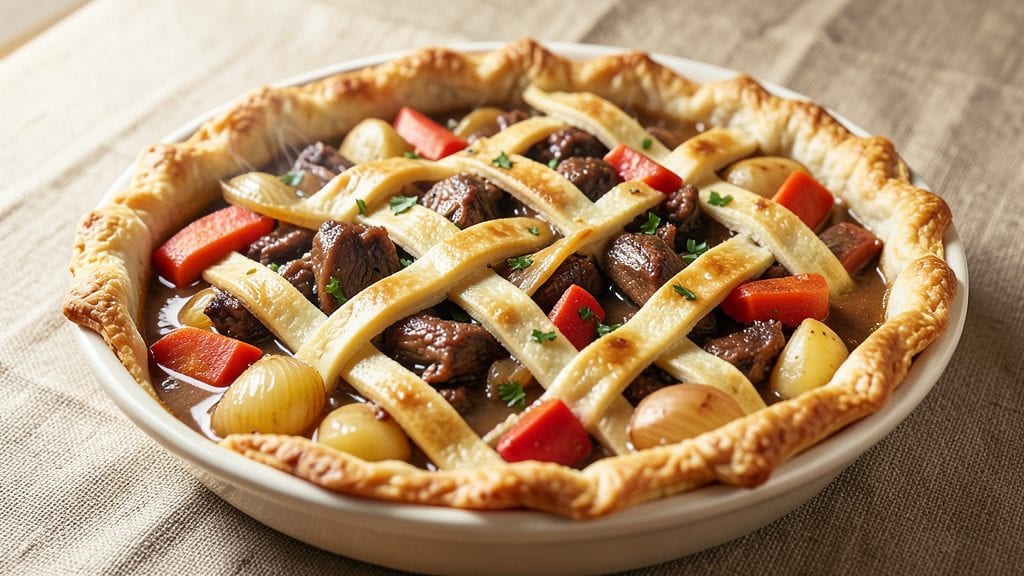
This squirrel pot pie recipe delivers the hearty, comforting flavors of Appalachian tradition with a flaky crust that seals in rich, savory filling. After years of perfecting the balance between tender game meat and seasonal vegetables, I’ve created a method that transforms wild squirrel into a restaurant-worthy centerpiece.
The key lies in slow-braising the meat to develop deep, caramelized flavors while keeping the crust light and crisp.
The filling begins with properly handled squirrel meat—never overcooked, just stewed until fork-tender—paired with onions, carrots, and potatoes for natural sweetness. A well-built roux thickens the sauce, while herbs like thyme and bay leaf add earthy depth.
This isn’t just a recipe; it’s a celebration of wild harvests and old-school cooking techniques that turn humble ingredients into something extraordinary.
By the time it emerges from the oven, you’ll have a golden, blistered crust encasing a filling so rich it practically melts in your mouth.
The aroma alone will have everyone gathering at the table, and the first bite delivers layers of savory, herby, and slightly sweet flavors that define true comfort food. This is the kind of dish that feels like coming home after a long day.
Perfect for family gatherings, hunting season celebrations, or anyone craving a taste of Appalachian tradition. The method scales easily, and leftovers reheat beautifully—though I doubt they’ll last that long. Let’s make this classic dish your new go-to for hearty, satisfying meals.
Ingredients for squirrel pot pie
Sixteen ingredients transform wild squirrel into a restaurant-worthy Appalachian feast with flaky crust.
| Ingredient | Amount | Notes |
|---|---|---|
| Wild Squirrel Meat 🦫 | 2 ½ lb | Boneless, skinless, cut into 1-inch pieces |
| Yellow Onions 🧅 | 2 whole | Medium, diced for even cooking |
| Carrots 🥕 | 1 ½ lb | Medium, peeled and sliced into rounds |
| Russet Potatoes 🥔 | 2 lb | Peeled, cut into 1-inch cubes |
| Unsalted Butter 🧈 | ¾ cup | Cold, cut into small cubes |
| All-Purpose Flour 🌾 | 1 ½ cups | Sifted for light crust |
| Fresh Thyme 🌿 | ½ oz | Leaves only, stems removed |
| Bay Leaves 🌿 | 2 whole | Fresh, for deep flavor infusion |
| Garlic Cloves 🧄 | 6 cloves | Peeled, minced for aromatic base |
| Chicken Stock 💧 | 2 cups | Low-sodium, homemade preferred |
| Heavy Cream 🥛 | 1 cup | Full-fat for rich texture |
| Diamond Crystal Kosher Salt 🧂 | 1 ½ tsp | For seasoning and crust |
| Freshly Ground Black Pepper 🌶️ | 1 tsp | Coarsely ground for heat |
| Cold Water 💧 | ½ cup | For pie crust binding |
| Large Egg 🥚 | 1 whole | For egg wash finish |
The squirrel meat is the foundation—freshly harvested and properly butchered makes all the difference. Local game processors or specialty butcher shops are your best sources for quality cuts. If working with frozen meat, thaw slowly in the refrigerator to preserve texture. For the crust, European-style all-purpose flour like King Arthur yields superior results, but standard brands work fine. The butter should be cold and cubed—never softened, as this prevents proper flakiness. Thyme and bay leaves from the bulk section at Whole Foods or Trader Joe's provide the most aromatic punch, but dried substitutes work in a pinch.
No fresh thyme? Dried thyme at one-third the amount suffices, though fresh delivers superior depth. Substituting chicken stock with game stock or beef stock enhances the wild meat profile. For a lighter crust, replace half the butter with cold vegetable shortening, though purists will argue texture suffers. The heavy cream can be swapped for half-and-half or whole milk, though richness diminishes. Potatoes should be starchy varieties like Russets—waxy types like Yukon Golds break down during cooking. The carrots can be orange or purple varieties, though color intensity varies slightly.
This pot pie reheats beautifully—450°F for 20-25 minutes restores crispness to the crust. Properly stored in an airtight container, leftovers keep for 4-5 days in the refrigerator or 3 months frozen. For freezing, wrap tightly in plastic wrap before placing in a container to prevent freezer burn. The crust freezes exceptionally well, so you can prepare it ahead and assemble just before baking. Portion into individual servings for easy reheating—each slice delivers that perfect balance of tender meat, herby vegetables, and buttery crust.
Why You'll Love This Recipe
- One-Pan Magic: I swear by this—just brown the squirrel in butter, toss in chopped onions and carrots, then dump in the potatoes and broth. No extra pots, no fuss. The butter-rich filling thickens right in the pan while the potatoes soften, and honestly? That’s half the battle won.
- Rich, Earthy Depth: Between us, squirrel has a flavor—wild, slightly gamey, but so tender when braised. The onions caramelize into sweetness, the carrots add a subtle crunch, and that buttery crust? It’s the kind of dish that makes you slow down mid-bite. (Yes, even on a Tuesday night.)
- Leftovers That Shine: This pie actually improves the next day. The flavors meld overnight, and reheating it? Just a few minutes under the broiler to crisp the top again. I’ve brought it to potlucks, packed it for camping, and even served it cold in summer—still delicious. (My secret weapon.)
- Budget-Friendly Luxury: Wild squirrel might sound fancy, but it’s often cheaper than chicken or beef where I hunt. Pair that with basic veggies and potatoes, and you’ve got a hearty meal that feeds four for under $15. Not the prettiest, but the taste makes up for it—and your wallet thanks you.
Step-by-step instructions for squirrel pot pie
Here's the method to transform wild game into a rich, flaky-crusted masterpiece.
Sear the Squirrel Meat for Deep Flavor
Heat a large Dutch oven over medium-high heat. Add the 2.5 lb wild squirrel meat in a single layer, working in batches if needed, and sear for 3-4 minutes per side until browned. This step develops the Maillard reaction, creating complex flavors that will infuse the entire filling.
Once browned, remove the meat and set aside. In the same pot, add the 2 whole yellow onions and 1.5 lb carrots, sliced into rounds. Cook for 5 minutes until the onions soften and begin to caramelize. Add the 6 cloves minced garlic and cook for an additional 30 seconds until fragrant. This aromatic base forms the foundation of your pot pie filling.
Build the Pot Pie Filling with Layered Flavors
Return the seared squirrel meat to the Dutch oven. Add the 2 lb russet potatoes, cut into 1-inch cubes, and stir to combine. Pour in the 2 cups chicken stock, ensuring all ingredients are moistened. Bring to a simmer, then reduce heat to medium-low and cover partially. Cook for 20 minutes, stirring occasionally, until the potatoes are tender and the meat is fully cooked.
In a separate bowl, melt the 0.75 cup unsalted butter over low heat. Whisk in the 1.5 cups all-purpose flour to form a roux. Cook for 2-3 minutes until golden brown, stirring constantly. Gradually whisk in the 1 cup heavy cream until smooth. Return this mixture to the Dutch oven with the filling and stir well. Add the 0.5 oz fresh thyme leaves, 2 whole bay leaves, 1.5 tsp diamond crystal kosher salt, and 1 tsp freshly ground black pepper. Simmer for an additional 10 minutes until the filling thickens to a creamy consistency.
Prepare the Flaky Crust for Perfect Texture
In a large mixing bowl, combine the 1.5 cups all-purpose flour and the 1.5 tsp diamond crystal kosher salt. Cut in the 0.75 cup cold unsalted butter using a pastry cutter or your fingers until the mixture resembles coarse crumbs with pea-sized butter pieces. Add the 0.5 cup cold water and mix just until the dough comes together. Be careful not to overwork the dough.
Divide the dough into two equal portions. On a lightly floured surface, roll out one portion into a 12-inch circle to form the bottom crust. Transfer it to a 9-inch pie dish, pressing gently to fit. Chill in the refrigerator while you prepare the top crust. Roll out the second portion into another 12-inch circle for the top crust.
Assemble and Bake for Golden Perfection
Preheat your oven to 375°F. Pour the prepared filling into the chilled bottom crust, spreading it evenly. Place the top crust over the filling, sealing the edges by pinching them together. Cut several small slits in the top crust to allow steam to escape. In a small bowl, beat the 1 whole large egg with a tablespoon of cold water. Brush this egg wash generously over the top crust.
Bake the pot pie for 45-50 minutes, or until the crust is deep golden brown and the filling is bubbling through the slits. The internal temperature of the filling should reach 165°F. For extra flakiness, I recommend placing a baking sheet under the pie dish during baking to catch any drips. Remove from the oven and let rest for 15 minutes before serving to allow the filling to set slightly.
Serve with Confidence in Your Craft
Slice the pot pie into wedges and serve immediately. The crust should be crisp and flaky, contrasting beautifully with the rich, creamy filling. Each bite should deliver tender squirrel meat, sweet carrots, and savory aromatics perfectly balanced by the buttery crust. This dish transforms wild game into a restaurant-quality meal that showcases your culinary skills.
Pro Tips For Making Squirrel Pot Pie
- Brown the Meat First: Wild squirrel meat stays tough if it’s not broken down properly. Sear the chunks in batches over medium-high heat until deeply browned—about 5-7 minutes per side—before adding onions. The crusty edges release flavor that’ll infuse the whole pie.
- Dice Potatoes Evenly: I learned this the hard way—uneven potato pieces mean some turn mushy while others stay raw. Cut them into ½-inch cubes so they cook at the same rate, and don’t skip the quick soak in cold water to rinse off excess starch. (Yes, even if you’re impatient like me.)
- Don’t Overfill the Dish: A crowded pot pie won’t brown right—it’ll steam instead of crisp. Fill your baking dish only ¾ full, or the top crust will turn soggy. Trust me, your pie will thank you when it comes out golden, not gloppy.
- Use Cold Butter for Crust: Cutting unsalted butter into the filling cold makes a real difference. Toss the cooked veggies and meat with cubed butter right before adding the top crust—it’ll melt into a rich, flaky layer instead of disappearing into the filling. (Skip this, and you’ll regret it.)
Common mistakes when making this recipe
Overcooking the Meat
The biggest mistake is overcooking the squirrel meat, which turns it tough and chewy. Game meat like squirrel has less connective tissue than beef, so it cooks faster. Once it reaches 165°F internal temperature, remove it immediately—even a few minutes over will ruin the texture.
I’ve learned this the hard way: always use a meat thermometer and pull the meat when it’s just barely tender. 🦫
Skipping the Sear
Skipping the initial sear means missing out on the Maillard reaction, which builds deep, caramelized flavors. Brown the meat in batches over medium-high heat for 3-4 minutes per side—this step is non-negotiable.
The seared crust on the meat adds richness that raw or lightly cooked meat simply can’t match. Trust me, your pot pie will taste flat without it.
Underestimating Roux Time
Rushing the roux is another common pitfall. Cook it for 2-3 minutes until golden brown—any less, and your filling will be thin and watery. Stir constantly to prevent burning, and keep the heat low to medium.
I’ve seen people walk away for just a minute, and suddenly, their roux is burnt. A burnt roux adds bitterness that no amount of seasoning can fix.
Overworking the Dough
Handling the pie dough too much develops gluten, resulting in a tough, dense crust instead of the flaky layers you want. Cut the cold butter into the flour until it resembles coarse crumbs, then mix just until the dough comes together.
Overworking it turns the texture rubbery. Chill the dough between rollings to keep it manageable and maintain its flakiness. 🥧
Ignoring the Rest Time
Cutting into the pot pie too soon causes the filling to spill out and the crust to lose its structure. Let it rest for at least 15 minutes after baking—this allows the filling to set and the juices to redistribute.
I’ve seen people serve it immediately, and the results are always messy. Patience here makes all the difference.
Using the Wrong Potato Type
Waxy potatoes like Yukon Golds break down during cooking, turning the filling mushy. Stick to starchy varieties like Russets, which hold their shape and absorb flavors beautifully. If you’re in a pinch, use Idaho potatoes, but avoid anything labeled "new potatoes"—they’re too small and won’t cook evenly. 🥔
Nutrition facts
Frequently asked questions
Can I substitute squirrel with another type of game meat?
Rabbit, venison, or even duck work beautifully in this recipe. The key is to adjust cooking times—game meats like rabbit cook faster (about 15-20 minutes total), while venison may need 25-30 minutes to tenderize. Duck requires extra fat rendering time, so brown it thoroughly before adding other ingredients.
How do I properly handle wild squirrel meat for cooking?
Always thaw squirrel meat slowly in the refrigerator (never at room temperature) to preserve texture. Rinse briefly under cold water, then pat completely dry before searing. For best flavor, remove any remaining fat or connective tissue. If the meat smells gamey, soak it in buttermilk for 30 minutes before cooking to mellow the wild taste.
Can I make this pot pie ahead of time?
Yes! Assemble the pie (unbaked) up to 24 hours ahead and refrigerate. For the best results, bake it fresh when ready to serve. If freezing, wrap the assembled pie tightly in plastic and freeze for up to 3 months. Thaw overnight in the fridge before baking—never at room temperature.
What's the secret to a perfectly flaky crust?
Keep everything cold! Use cold butter and cold water in the dough, and chill the rolled-out crust before baking. Work quickly but gently—overhandling develops gluten. For extra flakiness, brush the crust with melted butter before adding the top layer.
Is this pot pie suitable for dietary restrictions?
Not traditionally, but you can adapt it! For gluten-free, use a 1:1 flour blend and ensure your pie dish is certified. For dairy-free, substitute butter with coconut oil and use heavy cream alternative. The recipe relies on butter and flour for its classic texture, so modifications may affect the final result.