
Desserts
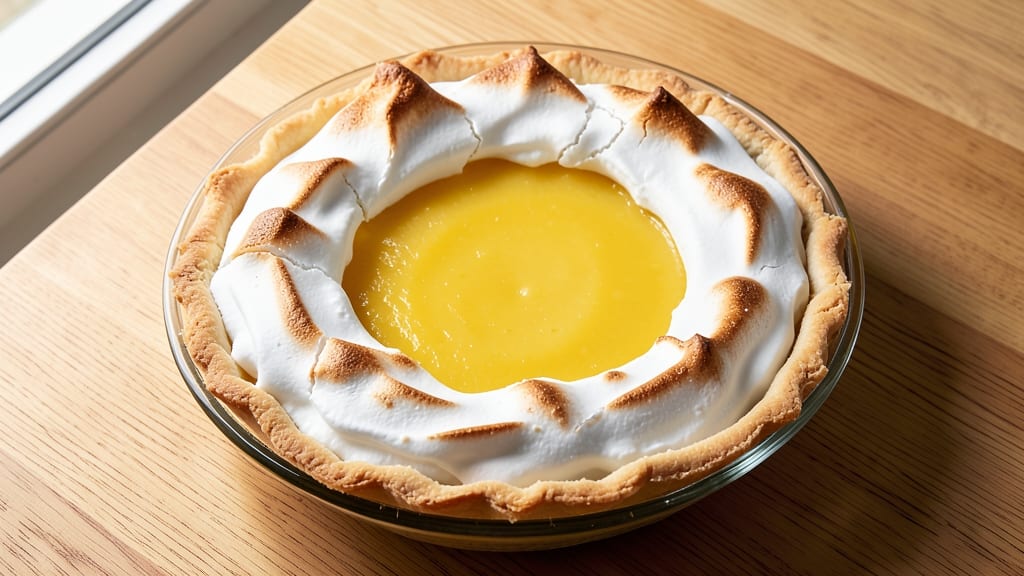
America's Test Kitchen's lemon meringue pie delivers the perfect balance of tart lemon curd and cloud-like meringue—a dessert that's both elegant and foolproof.
After testing countless variations, their precise methods ensure a golden, flaky crust that stays crisp even after baking, while the lemon filling remains silky smooth without weeping.
The key lies in technique: pre-baking the crust just enough to prevent sogginess and torching the meringue at the right moment for that signature toasted finish.
The recipe begins with a double-crust pie shell that requires careful handling—chilling the dough between layers prevents shrinking, and blind-baking it creates the ideal foundation.
Meanwhile, the lemon curd gets its signature tang from freshly squeezed juice and zest, thickened just enough to coat the back of a spoon without separating. This isn't your grandmother's pie; it's a restaurant-quality dessert that relies on science as much as skill.
By the time you're done, you'll have a pie with a perfectly golden crust, a filling that's vibrant and tangy without overpowering, and a meringue so light it practically dissolves on your tongue.
The torching step transforms ordinary egg whites into a voluminous, toasted crown that holds its shape while adding a delicate caramelized flavor. Every slice delivers that perfect contrast of crisp, tart, and sweet.
This recipe includes troubleshooting tips for common pitfalls—like preventing a soggy bottom or ensuring the meringue doesn't weep—so even first-time bakers can achieve professional results. Whether you're baking for a holiday gathering or simply craving a classic dessert, this method delivers consistently perfect lemon meringue pie every time.
Ingredients for america's test kitchen lemon meringue pie
Golden crust, silky lemon curd, and cloud-topped meringue—this is the ultimate lemon meringue pie.
| Ingredient | Amount | Notes |
|---|---|---|
| All-Purpose Flour 🌾 | 2 ½ cups | Sifted for light texture |
| Unsalted Butter 🧈 | 1 cup | Cold, cubed for flaky crust |
| Granulated Sugar 🍚 | ½ cup | Plus 2 tbsp for sprinkling |
| Diamond Crystal Kosher Salt 🧂 | ½ tsp | For crust and filling |
| Large Eggs 🥚 | 1 whole | Cold, for dough binding |
| Ice Water 💧 | ⅓ cup | For dough hydration |
| Fresh Lemon Juice 🍋 | 1 cup | From 4-5 lemons, freshly squeezed |
| Granulated Sugar 🍚 | 1 ¼ cups | For lemon curd |
| Lemon Zest 🍋 | 2 tbsp | Fine, from 2 lemons |
| Large Egg Yolks 🥚 | 4 whole | Pasture-raised preferred |
| Cornstarch 🌾 | 2 tbsp | For silky filling |
| Large Egg Whites 🥚 | 5 whole | Room temperature, aged |
| Granulated Sugar 🍚 | ¾ cup | For meringue |
| Vanilla Extract 🌿 | ½ tsp | Pure vanilla preferred |
The crust starts with cold butter—never let it warm up, or you'll lose that flaky magic. King Arthur or Gold Medal flour works best for tenderness, but any all-purpose will do. For the perfect texture, chill the dough between layers (at least 30 minutes each time) and blind-bake it just until set. Sprinkle sugar on the bottom crust before filling to prevent a soggy bottom. Pro tip: Use ice water for the dough—it keeps the gluten tight and prevents shrinking. If your kitchen's humid, add an extra tablespoon of flour to the dough.
No fresh lemons? Bottled lemon juice works in a pinch, but you'll lose that bright, vibrant flavor. For the curd, cornstarch is your secret weapon—it thickens without graininess. Pasture-raised egg yolks add richness, but regular yolks work fine. Short on egg whites? Aquafaba (chickpea brine) can replace up to half, though the texture won't be quite as light. Vanilla extract here isn't just for flavor—it stabilizes the meringue slightly, so don't skip it. For torching, use a kitchen torch or broiler on high—watch closely to avoid burning. If you don't have a torch, broil for 1-2 minutes, then finish under the broiler for another 30 seconds.
The crust keeps 3 days at room temperature wrapped in plastic, but it's best fresh. The lemon curd can be made 2 days ahead and stored in the fridge—it actually tastes better after flavors meld. For the meringue, work quickly—humidity is the enemy. If your kitchen's damp, add an extra tablespoon of sugar to stabilize it. Store the pie at room temperature for up to 2 days, or freeze the assembled pie (without torching) for up to 1 month. To serve, torch right before eating—nothing beats that fresh, toasted flavor. Leftovers? Reheat slices in the oven at 350°F for 5-10 minutes to revive the meringue.
Why You'll Love This Recipe
- No-Fuss Crust: The butter-flour combo in this recipe actually works—no overworking, no tough edges. I’ve made pie crusts that crumble like sand; this one holds together like it’s been there forever, even when I’m not paying attention.
- Tart-Sweet Magic: That lemon curd filling? It’s the kind of bright, zesty punch that makes you forget you’re eating dessert. The meringue tops it off with a toasty, caramelized finish—like sunshine in pie form.
- Weekend or Weeknight: I’ve served this at brunch with coffee, as a late-night snack after a long day, and even packed slices for my kid’s school picnic. It’s fancy enough for company but casual enough to eat straight from the fridge.
- Leftover Goldmine: Honestly, I’ve never had a slice go uneaten. The filling stays fresh for days, and the meringue? Still perfect if stored right. It’s my go-to for potlucks because I know it’ll disappear fast.
Step-by-step instructions for america's test kitchen lemon meringue pie
This is where the magic happens—crisp crust meets velvety lemon curd topped with a cloud of meringue.
Prepare the Perfect Pie Crust
In a large bowl, combine the 2.5 cups all-purpose flour and 0.5 tsp diamond crystal kosher salt. Cut in the 1 cup cold cubed unsalted butter using a pastry cutter or your fingers until the mixture resembles coarse crumbs with pea-sized butter pieces. This texture is crucial for flaky layers.
Gradually add the 0.33 cup ice water, one tablespoon at a time, mixing gently with a fork just until the dough comes together. Avoid overmixing—this develops gluten and makes the crust tough. Form the dough into a disk, wrap in plastic, and chill for at least 1 hour (or up to 2 days). The cold dough handles better and ensures a tender crust.
Assemble and Bake the Crust
On a lightly floured surface, roll out the chilled dough to a 12-inch circle, about 1/8-inch thick. Transfer it to a 9-inch pie dish, gently pressing it into the bottom and up the sides. Trim excess dough, leaving a 1/2-inch overhang. Fold the overhang under itself to create a neat edge.
Preheat your oven to 375°F. Line the crust with parchment paper, fill it with pie weights or dried beans, and bake for 20 minutes. Remove the weights and bake for 5 more minutes until the crust is golden brown and set. Prick the bottom with a fork to prevent puffing when filling later. Sprinkle the crust with 2 tablespoons granulated sugar for a touch of sweetness.
Make the Lemon Curd Filling
In a medium saucepan, whisk together the 4 whole large egg yolks, 1.25 cups granulated sugar, 2 tbsp cornstarch, 1 cup fresh lemon juice, 2 tbsp lemon zest, and 0.5 tsp vanilla extract. Cook over medium heat, stirring constantly with a wooden spoon, until the mixture thickens enough to coat the back of the spoon, about 8-10 minutes. This should take patience—don't rush it.
Strain the curd through a fine-mesh sieve into a clean bowl to remove any zest bits. Press plastic wrap directly onto the surface to prevent a skin from forming. Let it cool to room temperature, then refrigerate until completely chilled. This step ensures a smooth, silky filling that won't break when poured into the crust.
Fill the Crust and Bake
Pour the chilled lemon curd into the pre-baked crust. Spread it evenly, leaving a 1/2-inch border at the edge for the meringue. Return the pie to the oven and bake at 350°F for 15-20 minutes, until the filling is set but still slightly jiggly in the center. This ensures a silky texture when sliced.
Remove the pie from the oven and let it cool to room temperature. This gradual cooling prevents the meringue from sliding off later. While the pie cools, prepare your meringue—timing is everything here.
Create the Cloud-Topped Meringue
In a clean, grease-free bowl, beat the 5 whole large egg whites with an electric mixer on medium speed until soft peaks form. Gradually add the 0.75 cup granulated sugar, 1 tablespoon at a time, beating until the meringue is stiff and glossy. This should take about 3-4 minutes—don't rush it.
Spread the meringue over the lemon curd, sealing it to the crust by gently pressing at the edges with a spatula. Use the back of a spoon to create swirls or peaks for an elegant finish. Bake immediately at 350°F for 12-15 minutes, until the meringue is golden brown and crisp. Watch closely—overbaking turns it tough.
Let the pie cool completely before slicing. The meringue will firm up as it cools, creating that perfect contrast of crispy top and creamy filling. Serve chilled for the ultimate lemon meringue experience—bright, tangy, and utterly irresistible.
Pro Tips For Making America'S Test Kitchen Lemon Meringue Pie
- Chill the Dough Fully: The ATK recipe insists on this, and they’re right—don’t skip it. Roll out the pie crust on a floured surface, then wrap it tightly in plastic and freeze for at least 30 minutes before transferring to the pie dish. I learned this the hard way when a slightly warm crust shrunk into a sad, uneven circle after baking.
- Use Room-Temp Egg Yolks: For the custard, let the egg yolks sit in warm water for 5 minutes before whisking them into the sugar mixture. Cold yolks can create lumps or a grainy texture—this small step makes the filling silky smooth. (Yes, even if you’re impatient like me.)
- Prevent Overbaking the Crust: The crust is done when it’s a deep golden brown, not when the filling starts to bubble aggressively. If yours looks pale, cover the edges with foil after 20 minutes to stop overbrowning. I used to burn them every time until I realized the filling can finish baking without a crispy crust.
- Whisk the Meringue Fast: After baking the filling, let it cool for 15 minutes before adding the meringue—but don’t wait too long. Whisk the egg whites and sugar vigorously until stiff peaks form, then spread it quickly while the filling is still warm. If the custard cools completely, the meringue won’t seal properly, and you’ll end up with a soggy top. (Your future self will thank you.)
Flavor customization for these flavors
Tartness Adjustments
Freshly squeezed lemon juice is non-negotiable for authentic flavor, but if you need to dial back the tartness, I recommend reducing the juice by 2 tablespoons and adding 1 tablespoon of honey to the curd.
This subtle sweetness balances the acidity without overpowering the bright citrus notes. For a more pronounced tang, add ½ teaspoon of citric acid to the filling—it intensifies the lemon flavor without extra juice. 🍋
Sweetness Variations
The meringue and crust already provide sweetness, but if you prefer a sweeter lemon curd, increase the sugar by 1-2 tablespoons in the filling. For a more sophisticated balance, replace ½ cup of granulated sugar with ½ cup of turbinado sugar—it adds a subtle caramelized depth when torched.
If you love maple syrup, swap 1 tablespoon of the lemon juice for an equal amount of pure maple syrup. 🍯
Spiced Lemon Twist
Infuse the lemon curd with warm spices for a gourmet twist. Add ¼ teaspoon of ground cardamom or a pinch of cinnamon to the filling for a Middle Eastern-inspired flavor. For a Southern flair, stir in ½ teaspoon of vanilla bean paste and a pinch of cayenne pepper.
These spices complement the lemon without overpowering it—just be sure to taste as you go. 🌶️
Herbal Enhancements
Fresh herbs elevate the lemon meringue pie to restaurant-quality. Fold 1 tablespoon of finely chopped mint or basil into the curd for a refreshing herbal note. For a more robust flavor, add ½ teaspoon of dried lavender buds (remove after straining).
These additions work surprisingly well with the bright citrus and add an unexpected layer of complexity. 🌿
Creamy Add-Ins
For a richer filling, stir ¼ cup of heavy cream into the chilled lemon curd before assembling. Alternatively, fold in 2 ounces of cream cheese for a tangy, velvety texture.
These additions create a luxurious mouthfeel that pairs beautifully with the crisp meringue. Just be sure to adjust the baking time slightly—creamy fillings set faster. 🥛
Texture Contrasts
Add crunch to the pie by sprinkling toasted almonds or pecans between the crust and curd, or on top of the meringue before torching. For a modern twist, press crushed graham crackers into the bottom crust before adding the filling.
These textures create delightful contrasts with the smooth curd and crisp meringue. 🌰
Nutrition facts
Frequently asked questions
Why does America's Test Kitchen recommend blind-baking the crust?
Blind-baking prevents a soggy bottom by removing moisture before adding the filling. The 20-minute pre-bake with weights ensures the crust is set and sturdy enough to hold the lemon curd without collapsing. This step also helps create that signature crisp texture even after the filling bakes.
Can I make the lemon curd ahead of time?
The curd tastes even better after resting. Store it in the fridge for up to 2 days with plastic wrap pressed directly on the surface to prevent skin formation. Let it come to room temperature before assembling the pie for the smoothest texture.
What's the secret to torching the meringue without burning it?
Use a kitchen torch on high heat and work quickly in small sections. Hold the flame about 2-3 inches away and move continuously until golden brown. If you don't have a torch, broil for 1-2 minutes on high, watching closely to avoid overbrowning.
How do I fix a cracked meringue top?
Don't worry—it's still delicious! If the meringue cracks after baking, simply spread a thin layer of apricot jam or lemon curd over the cracks before torching. The extra moisture helps seal it, and the torching will create a glossy finish that hides any imperfections.
Can I use bottled lemon juice instead of fresh?
While fresh juice gives the brightest flavor, bottled works in a pinch. For best results, use a high-quality brand and reduce the sugar by 1 tablespoon to compensate for the less acidic profile. If possible, add ½ teaspoon of citric acid to intensify the lemony taste.