
Desserts
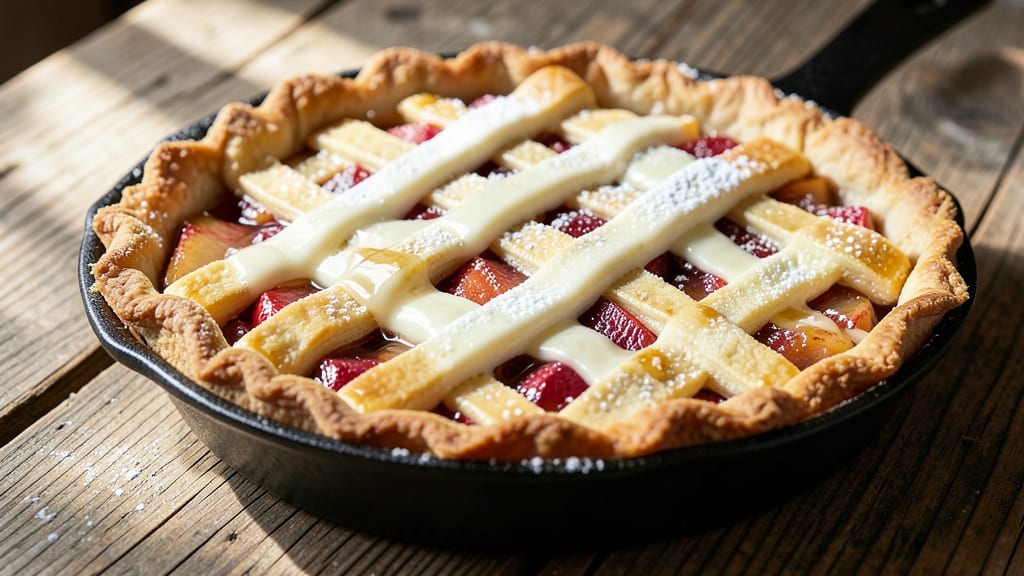
This Amish vinegar pie recipe delivers a bold, tangy-sweet dessert that defies traditional pie expectations with its unexpected yet perfectly balanced flavor profile. 💫 What sets it apart is the careful blend of apple cider vinegar and brown sugar—a signature Amish technique that creates a caramelized crust with layers of complexity.
The recipe preserves the rustic charm of Amish baking while offering a foolproof method for home cooks to achieve that signature tangy-sweet harmony.
Traditional Amish vinegar pies rely on a simple yet sturdy crust that holds up to the pie's bold flavors, and this version delivers just that. The filling combines fresh apples, vinegar, and spices baked until tender yet firm enough to slice cleanly.
What makes it special is how the vinegar's acidity cuts through the sweetness, creating a flavor that lingers without overpowering. This recipe stays true to Amish roots while adapting to modern kitchens with straightforward techniques and minimal fuss.
By the time you pull this pie from the oven, you'll have a dessert that looks as impressive as it tastes—golden crust, caramelized edges, and a filling that's perfectly balanced between tart and sweet.
The aroma alone will draw everyone to the table, and the first bite delivers that signature Amish flavor profile that stands out from classic desserts. This is a pie that commands attention and delivers satisfaction with every slice.
The beauty of this recipe lies in its versatility—serve it warm with vanilla ice cream for a classic pairing, or let it cool slightly for sharper slices that hold their shape.
The techniques here ensure you'll achieve that signature Amish tang without the guesswork, making it a standout dessert for any occasion. Let's get baking!
Ingredients for amish vinegar pie
Sixteen ingredients blend rustic tradition with modern simplicity for this standout dessert.
| Ingredient | Amount | Notes |
|---|---|---|
| All-Purpose Flour 🌾 | 2 ½ cups | Unbleached preferred for rustic texture |
| Unsalted Butter 🧈 | 1 cup | Cold, cubed for pie crust |
| Granulated Sugar 🍚 | ½ cup | For crust sweetness |
| Ice Water 💧 | ½ cup | Chilled for pie crust |
| Apple Cider Vinegar 🍎 | ½ cup | Unfiltered for authentic flavor |
| Fresh Apples 🍏 | 4 medium | Peeled, cored, sliced thin |
| Light Brown Sugar 🍚 | 1 ½ cups | Packed for filling |
| Ground Cinnamon 🌿 | 2 tbsp | Freshly ground preferred |
| Ground Nutmeg 🌿 | ½ tsp | Freshly grated for warmth |
| Salt 🧂 | ½ tsp | Fine sea salt preferred |
| Large Egg 🥚 | 1 whole | For egg wash |
| Vanilla Extract 🍯 | 1 tsp | Pure vanilla preferred |
| Allspice 🌶️ | ¼ tsp | Ground for depth |
The apple cider vinegar is non-negotiable here—Bragg or local orchard brands deliver that signature tang. For the apples, Granny Smiths or Honeycrisp hold up best during baking, but any crisp variety works. The flour should be unbleached for that classic Amish texture—bleached flour makes the crust tougher. Butter matters too: European-style has more fat content, which gives you a flakier crust. If you're in a pinch, Country Crock or Land O'Lakes work fine, but let the butter sit out for 30 minutes before cubing it.
No apple cider vinegar? White vinegar at half the amount works in a bind, though it lacks depth. Substituting apples? Pears or rhubarb add different textures but still deliver that signature tang-sweet balance. The allspice can be swapped for a pinch of cloves and cinnamon, but it's worth tracking down—Penzeys or bulk spice sections usually carry it. For the crust, if you're short on butter, vegetable shortening makes it flakier but less flavorful. The brown sugar? Light or dark both work, but light gives you a slightly crisper crust.
This pie reheats beautifully—350°F for 15 minutes restores that fresh-from-oven warmth. Store leftovers in an airtight container for up to 5 days in the fridge, though it's best enjoyed within 2 days. Freezes well for 3 months if wrapped tightly in foil. The crust stays crisp when frozen, but the filling softens slightly—reheat to restore texture. For serving, a dusting of powdered sugar or extra cinnamon adds that final touch.
Why You'll Love This Recipe
- No-Fuss Dough Magic: I swear by that ice water trick—just mix flour, butter, and sugar until it clumps, then add ice water until it holds together. No rolling, no fuss, and the crust turns out flaky every single time.
- Tangy-Sweet Surprise: That splash of apple cider vinegar in the filling? It’s the secret weapon—bright, just a little sharp, but balanced by the sugar. It’s like biting into a caramel apple, but in pie form.
- Picnic or Potluck Hero: This pie travels like a dream—no soggy bottoms, no mess. Pack it for church suppers, family reunions, or even a last-minute office dessert. It’s the one thing people always ask for seconds on.
- Budget Breakthrough: Five ingredients, one pantry staple (vinegar), and zero specialty items. I’ve made this for under $3 a serving, and it’s still the star of the table. Leftovers? They disappear in a day.
Step-by-step instructions for Amish vinegar pie
Master this traditional recipe with a perfect balance of tangy vinegar and sweet apples.
👨🍳 Step 1: Prepare the Pie Crust
In a large bowl, combine the 2.5 cups all-purpose flour and 0.5 tsp salt. Cut in the 1 cup cold unsalted butter using a pastry cutter or your fingers until the mixture resembles coarse crumbs with pea-sized butter pieces. This ensures a flaky texture when baked.
Add the 0.5 cup ice water and 0.5 cup apple cider vinegar gradually, mixing just until the dough comes together. The vinegar helps tenderize the crust while adding that signature tang. Divide the dough into two equal parts, flatten into discs, wrap in plastic, and chill for 30 minutes. This resting period prevents shrinking during baking.
🍳 Step 2: Assemble the Filling
Peel, core, and thinly slice the 4 medium fresh apples into ¼-inch thick rounds. In a large bowl, toss the apple slices with 1.5 cups packed light brown sugar, 2 tbsp ground cinnamon, 0.5 tsp ground nutmeg, 0.25 tsp allspice, and 1 tsp vanilla extract. The spices should coat the apples evenly for maximum flavor distribution.
Leave the apples in the bowl while you roll out the pie crust. Here's the thing—don't press too hard when rolling. You want the crust to be about ⅛-inch thick for a tender result. Line a 9-inch pie dish with one crust disc, trimming any excess overhang. The filling should be packed into the crust in an even layer, mounding slightly in the center.
🥘 Step 3: Top and Vent the Pie
Roll out the second crust disc and place it over the apple filling. Trim the edges to create a neat border, then crimp the edges using your fingers or a fork. Cut 4-5 slits in the top crust to allow steam to escape during baking. This prevents a soggy bottom crust.
Brush the top crust with the 1 whole large egg beaten with 1 tablespoon water for a golden finish. Sprinkle any remaining crumbs from the work surface over the top crust—this adds texture and prevents browning. The egg wash will create that classic golden sheen that makes this pie look irresistible straight from the oven.
🔥 Step 4: Bake to Golden Perfection
Preheat your oven to 375°F. Place the pie on a baking sheet to catch any potential drips. Bake for 45-50 minutes until the crust is deep golden brown and the filling is bubbling through the slits in the top crust. The edges should be set but not dark brown.
Real talk: your oven might run hot, so start checking at the 40-minute mark. If the top crust starts browning too quickly, tent it loosely with aluminum foil. The pie is done when it pulls away slightly from the edges of the pie dish and the filling is tender when tested with a knife. Let it cool for at least 2 hours before slicing—this allows the filling to set properly and prevents a runny pie.
Pro Tips For Making Amish Vinegar Pie
- Chill the Butter First: Cold butter makes a flaky crust, but don’t pull it straight from the fridge—let it sit for 10 minutes first. This softens the edges just enough to mix smoothly without melting into a greasy mess (yes, I’ve seen it happen).
- Measure Vinegar Precisely: That apple cider vinegar isn’t just flavor—it’s the acid that reacts with the sugar to create the signature tang. Use a scale or measuring spoon for the exact amount; eyeballing it risks a pie that’s either bland or overpoweringly sour.
- Skip the Overmixing: The dough for this pie is delicate. Mix the flour, butter, and water until it just holds together—no more. Overworking it turns the crust into a tough, chewy disaster. Think "shaggy dog," not "bread dough."
- Bake Until Golden, Not Just Set: The crust should be deep golden brown, not pale. If it’s browning too fast, tent it with foil—but don’t walk away. A few minutes under the broiler at the end guarantees that caramelized color (the kind that makes people ask for seconds).
Essential equipment for perfect results
Pie Dish Essentials
For this recipe, you'll need a 9-inch glass or ceramic pie dish—glass conducts heat evenly, but ceramic adds a rustic charm. Avoid dark-colored dishes, which can cause uneven browning. I recommend Pyrex for its durability and heat resistance.
If you don’t have a pie dish, a 9-inch cast-iron skillet works in a pinch, though it may require slightly longer baking. The dish should have a 2-inch rim to prevent filling from spilling during baking. 💫
Pastry Tools
A pastry cutter or fork is essential for cutting cold butter into flour until it resembles coarse crumbs. I use a KitchenAid pastry blender for efficiency, but two forks work just fine. For rolling out the crust, a rolling pin with a 1-inch diameter gives you better control.
If you don’t have one, a wine bottle wrapped in plastic works surprisingly well. Keep your tools cold—chill them in the freezer for 10 minutes before use to prevent the dough from sticking.
Mixing & Measuring
Accurate measurements are key to this pie’s texture. Use a liquid measuring cup for the apple cider vinegar and ice water to ensure precision. A dry measuring cup with a level scoop works for the flour and sugar. I recommend OXO Good Grips for their ergonomic design and accuracy.
For tossing the apples, a large mixing bowl with a non-stick coating prevents sticking. A microplane is perfect for grating the nutmeg and allspice to release their aromatic oils.
Baking & Cooling
An oven thermometer is a must—home ovens often run 25°F hotter or colder than set. I use a Thermoworks Oven Thermometer for reliability. For cooling, a wire cooling rack keeps the pie crust crisp, but I often place mine on a towel-lined plate to catch any drips.
A pie server with a serrated edge makes slicing clean cuts, though a sharp chef’s knife works too. If you’re short on time, a stand mixer with a dough hook can speed up crust prep, but hand-mixing keeps the texture rustic.
Optional Upgrades
For a lattice top, use a pastry wheel to cut strips from the remaining dough. A pie weight or dried beans prevents a soggy bottom during pre-baking. I love adding crushed graham crackers to the filling for extra texture.
For serving, a pie stand elevates the dish elegantly. If you’re feeling fancy, a digital kitchen scale ensures precise measurements for the crust—250g flour for the dough guarantees consistency every time.
Nutrition facts
Frequently asked questions
Why does this pie use vinegar instead of lemon juice?
Apple cider vinegar creates that signature Amish tang that balances the sweetness perfectly. Unlike citrus, vinegar caramelizes beautifully during baking, adding depth to both the filling and crust. The acidity also helps tenderize the apples while preventing a gummy texture. Traditional Amish recipes rely on vinegar for preservation and flavor—it's a cornerstone of their baking!
Can I make this pie without a pie dish?
Use a 9-inch cast-iron skillet or even a deep oven-safe baking dish. Just ensure it has a 2-inch rim to contain the filling. For extra flair, try a deep pie plate with a removable bottom—it makes serving easier and keeps the crust crisp. The key is maintaining that ⅛-inch thick crust for even baking.
How do I prevent a soggy bottom crust?
Prevent sogginess by pre-baking the bottom crust for 5-7 minutes at 375°F before adding filling. Sprinkle dried beans or pie weights on the crust while pre-baking, then remove them before adding the filling. Another trick: Chill the pie 15 minutes before baking to help the filling set faster. A well-ventilated top crust also lets steam escape!
What's the best way to store leftovers?
Store slices in an airtight container at room temperature for 2 days or refrigerate for up to 5 days. For longer storage, freeze individual slices wrapped in plastic for 3 months. Reheat frozen slices at 350°F for 15 minutes to restore texture. The crust stays crisp when reheated properly!
Can I substitute vinegar with something else?
In a pinch, use ½ cup white vinegar or ¼ cup lemon juice, but the flavor won't be as rich. For a closer substitute, try ½ cup apple juice reduced by half—this mimics the vinegar's depth. The key is balancing the tartness with the sweetness, so adjust the brown sugar slightly if needed. Traditional recipes rely on vinegar for that signature Amish tang!