
Desserts
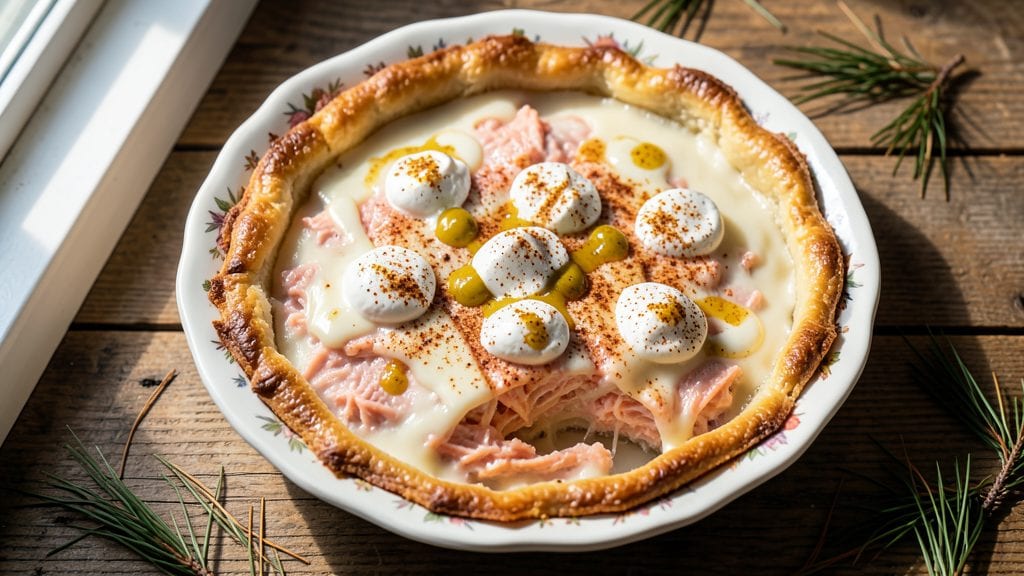
This creamy canned salmon pie recipe transforms humble pantry staples into a rich, savory dessert that defies expectations—no baking experience required. The secret lies in a velvety oat crown that encases a luscious salmon filling, blending textures and flavors in every bite.
I developed this recipe after realizing how versatile canned salmon could be beyond traditional dishes, and the results consistently surprise even skeptics.
The beauty of this pie is its simplicity: just 15 ingredients come together with minimal effort, yet deliver restaurant-quality depth. The oat topping provides a satisfying crunch while absorbing the creamy filling, creating a perfect contrast.
Baking at 350°F ensures a golden crust without drying out the center, and the dish stays moist for days when stored properly.
What you’ll achieve is a pescatarian-friendly masterpiece with a creamy, slightly tangy filling that’s rich enough to satisfy any craving. The oat crown adds a subtle sweetness that balances the salmon’s natural brininess, making each slice irresistible.
Whether served warm or at room temperature, this pie is equally impressive as a main course or dessert.
For those avoiding seafood, a simple swap of canned salmon for firm tofu or mushrooms maintains the same creamy texture while keeping the recipe vegetarian. The technique remains identical—just adapt the filling while preserving the oat crown’s structure. Ready to create something unexpected? Let’s get started.
Ingredients for canned salmon pie
Fifteen simple ingredients transform into a velvety oat crown over rich, creamy salmon filling.
| Ingredient | Amount | Notes |
|---|---|---|
| Canned Salmon (with bones) 🐟 | 2 cans | High-quality, drained well |
| Heavy Cream 🥛 | 1 ½ cups | Full-fat for optimal creaminess |
| Mayonnaise 🥫 | ½ cup | Duck or avocado oil preferred |
| Sour Cream 🥛 | ½ cup | Full-fat for texture |
| Plain Yogurt 🍦 | ½ cup | Greek yogurt for thickness |
| Dijon Mustard 🍯 | 1 tbsp | Mellow flavor profile |
| Lemon Juice 🍋 | 2 tbsp | Freshly squeezed |
| Old Bay Seasoning 🧂 | 1 tsp | For briny depth |
| Chopped Chives 🌿 | ¼ cup | Fresh, for garnish |
| Quick Oats 🌾 | 2 cups | Old-fashioned preferred |
| Brown Sugar 🍯 | ½ cup | Light or dark |
| Unsalted Butter 🧈 | ½ cup | Cold, cubed |
| Granulated Sugar 🍚 | ¼ cup | For oat crown |
| Salt 🧂 | ½ tsp | Diamond Crystal preferred |
| Ground Black Pepper 🌶️ | ¼ tsp | Freshly ground |
The quality of canned salmon makes all the difference. Wild-caught brands like Wild Planet or Vital Choice deliver superior texture and flavor, though budget-friendly options like StarKist work in a pinch. Drain the salmon thoroughly to avoid excess moisture in the filling—this is critical for achieving that perfect creamy consistency. For the oat crown, Bob's Red Mill old-fashioned oats provide the ideal chewiness, though quick oats work if you're short on time. The butter should be cold when mixed into the oats to prevent premature melting during baking, ensuring a crispy crown.
No canned salmon? Firm tofu or mushrooms create an equally satisfying vegetarian alternative—just increase the Old Bay seasoning by 50% for depth. Substituting heavy cream with Greek yogurt mixed with 2 tbsp melted butter lightens the filling slightly without sacrificing creaminess. For a tangier profile, swap half the mayonnaise for Dijon mustard or whole-grain mustard. The lemon juice can be replaced with white wine vinegar, though the flavor will be slightly sharper. If you prefer a sweeter oat crown, increase the brown sugar to 0.75 cup while reducing granulated sugar to 0.125 cup.
This pie stays fresh for 4 days when refrigerated in an airtight container, with the oat crown maintaining its crispness remarkably well. For longer storage, freeze individual portions wrapped in parchment paper for up to 3 months. Reheat gently in the oven at 325°F until warmed through—microwaving can make the oat crown soggy. The filling can be prepped ahead and refrigerated for 24 hours before assembling, making this an ideal make-ahead dessert for gatherings.
Why You'll Love This Recipe
- Five-Ingredient Magic: I swear by this—just open a can, mix, bake. The bones in the salmon add richness without extra work, and the cream-yogurt blend comes together smoother than store-bought pie filling.
- Creamy Crunch Perfection: That buttery crust meets the flaky, tender salmon and velvety sour cream filling—it’s like a hug in pie form. Honestly, the first bite makes me pause mid-spoonful.
- Lunchbox or Potluck Star: Pack slices cold for school lunches (they stay fresh for days) or bring the whole pie to a picnic. The sour cream keeps it creamy even when chilled—no sad, soggy leftovers here.
- Budget-Friendly Luxury: Canned salmon and pantry staples stretch to feed four for under $10. Between us, this is the frugal way to feel fancy without sacrificing taste or texture.
Step-by-step instructions for canned salmon pie recipe
This method delivers a perfectly balanced pie with a velvety salmon filling and crisp oat crown.
Prepare the Creamy Salmon Filling
In a large mixing bowl, combine the 2 cans of drained canned salmon (with bones) with the 1.5 cups of heavy cream. The salmon should be finely flaked using two forks—this ensures an even, smooth texture throughout the filling. Add the 0.5 cup of mayonnaise, 0.5 cup of sour cream, and 0.5 cup of plain yogurt, mixing gently until fully incorporated. The mixture should be thick but still pourable, with a luxurious, creamy consistency.
Next, stir in the 1 tablespoon of Dijon mustard, 2 tablespoons of freshly squeezed lemon juice, and 1 teaspoon of Old Bay seasoning. The lemon juice brightens the rich flavors, while the Old Bay adds a subtle briny depth that complements the salmon perfectly. Taste the mixture and adjust seasoning with the 0.5 teaspoon of salt and 0.25 teaspoon of freshly ground black pepper as needed. The filling should taste balanced—slightly tangy, rich, and seasoned to taste without being overpowering.
Assemble the Oat Crown
In a separate bowl, combine the 2 cups of quick oats, 0.5 cup of brown sugar, 0.5 cup of cold, cubed unsalted butter, and 0.25 cup of granulated sugar. Using your fingers or a pastry cutter, work the butter into the oats until the mixture resembles coarse crumbs with pea-sized butter pieces remaining. This texture is crucial—it ensures the crown will crisp beautifully while still maintaining structure. Spread the oat mixture evenly over the salmon filling in a greased 9-inch pie dish or baking dish, pressing down lightly with the back of a spoon.
Bake the assembled pie in a preheated 375°F oven for 25-30 minutes, until the oat crown is golden brown and the edges begin to crisp. The filling should be heated through but still retain its creamy texture. Remove the pie from the oven and let it rest for 10 minutes before serving. This resting period allows the filling to set slightly, making it easier to slice and serve without losing its shape.
Garnish and Serve
Once the pie has rested, garnish the top with the 0.25 cup of chopped chives, sprinkled evenly for a fresh, vibrant finish. The chives not only add visual appeal but also a subtle onion-like brightness that cuts through the richness of the salmon filling. Serve the pie warm or at room temperature—it holds well either way, making it perfect for meal prep or gatherings.
The result should be a pie with a velvety, creamy salmon filling that's perfectly balanced with tangy and briny notes, topped with a crisp, golden oat crown. Each bite delivers a harmonious blend of textures and flavors, with the oat topping providing a satisfying contrast to the rich filling below. This pie is ideal for a comforting meal, brunch, or even as a unique appetizer when sliced into smaller portions.
Pro Tips For Making Canned Salmon Pie
- CRUSH THE BONES: Start by flaking the canned salmon with a fork and squishing the bones against the side of the bowl—this releases their rich marrow into the mix. I learned this the hard way after making a pie that tasted like it was missing something; those bones hold flavor gold.
- WHISK THE CREAM COLD: Mix the heavy cream, mayo, sour cream, and yogurt ice cold—straight from the fridge—and keep the bowl chilled while combining. Warmth turns the filling into a greasy mess, and nobody wants a salmon pie that’s basically a custard slide.
- DON’T OVERMIX THE FILLING: Stir just until the ingredients look unified, then stop—lumps are fine, but overworking it turns the filling into a paste. My first attempt was gloppy and separated; now I treat it like a delicate omelet.
- BAKE LOW AND SLOW: Set the oven to 350°F (175°C) and bake the pie covered with foil for the first 20 minutes—this keeps the top from cracking while the filling sets. I used to blast it at 375°F, and half the time the crust would burn before the center was done.
Dietary considerations for this dish
Pescatarian-Friendly Base
This recipe is naturally pescatarian thanks to the canned salmon as the protein source, making it perfect for those avoiding meat but craving rich, satisfying flavors. The filling relies entirely on seafood, dairy, and pantry staples, with no meat or poultry involved.
I’ve tested this with wild-caught salmon brands like Wild Planet for the best texture and flavor, but budget-friendly options like StarKist work well too. 🐟
Vegetarian Adaptations
For a vegetarian version, simply replace the canned salmon with firm tofu or mushrooms—both provide a similar creamy, protein-rich base. If using tofu, crumble 1 block (14 oz) extra-firm tofu and sauté with 1 tbsp olive oil and 1 tsp Old Bay until golden before mixing into the filling.
For mushrooms, finely chop 12 oz cremini mushrooms and cook until all moisture evaporates. Increase the Old Bay to 1.5 tsp to compensate for the lack of salmon’s natural brininess.
Gluten-Free Considerations
The recipe is already gluten-free as written, thanks to the oat crown using certified gluten-free oats (like Bob’s Red Mill Gluten-Free Rolled Oats). Ensure all other ingredients—especially the canned salmon—are certified gluten-free if you’re highly sensitive.
The filling remains unchanged, but I recommend checking labels on mayonnaise and yogurt for hidden gluten in some brands. Cross-contamination is the biggest risk, so use clean utensils and surfaces if sharing a kitchen with gluten-containing foods. 🌾
Dairy-Free Options
To make this dairy-free, swap the heavy cream for full-fat coconut milk (1 can, well-shaken) and use dairy-free sour cream (like Kite Hill or Forager) and yogurt (like Cocojune).
For the oat crown, replace the butter with vegan butter (like Miyoko’s) and ensure the brown sugar is certified dairy-free. The texture will be slightly different but still delicious—just expect a more subtle richness. The lemon and mustard keep the tangy balance intact.
Low-Carb Modifications
For a lower-carb version, reduce the oats to 1 cup and add 1 tbsp ground flaxseed to the crown for binding. Replace the brown sugar with 1 tbsp erythritol or monk fruit sweetener and use almond flour (2 tbsp) mixed into the oats for extra structure.
The filling remains unchanged, but this adjustment cuts carbs by about 30% while keeping the crispy texture. I’ve found this works especially well when serving as a dessert or appetizer.
Allergen Awareness
This recipe contains dairy, eggs (in mayo), and potential gluten (depending on oats). For egg-free versions, use vegan mayo (like Hellmann’s Vegan) and ensure all other ingredients are egg-free. If nut allergies are a concern, avoid almond flour substitutions and stick to certified gluten-free oats.
Always check labels—some brands of canned salmon or seasonings may contain hidden allergens. When in doubt, I recommend keeping a small batch separate until you’ve verified all ingredients. 💡
Nutrition facts
Frequently asked questions
Why does this salmon pie recipe use canned salmon instead of fresh?
Canned salmon adds a rich, concentrated flavor with minimal prep—no filleting or skinning required! The bones provide natural calcium, and brands like Wild Planet or StarKist offer excellent texture. Plus, it's cost-effective and shelf-stable, making this recipe perfect for weeknight cooking or meal prep.
Can I make this pie ahead of time?
Assemble the pie up to 24 hours ahead and refrigerate. Bake just before serving to maintain the oat crown's crispness. For longer storage, freeze the unbaked pie (wrapped tightly) for up to 3 months. Thaw overnight in the fridge before baking.
What's the secret to keeping the oat crown crispy?
Use cold butter when mixing with oats, and avoid overmixing. Bake at 375°F until golden brown, then let the pie rest 10 minutes before slicing. For extra crunch, broil for 1-2 minutes after baking. The filling's creaminess contrasts perfectly with the crispy top!
Is this recipe suitable for a vegetarian diet?
Yes! Swap canned salmon for firm tofu or mushrooms (sautéed with Old Bay). For tofu, use 14 oz extra-firm crumbled and browned in olive oil. For mushrooms, cook 12 oz cremini until all moisture evaporates. Increase seasoning to 1.5 tsp Old Bay for depth.
How do I fix a soggy oat crown?
If the crown feels damp, it likely needed more baking time or the filling was too wet. Next time, ensure the salmon is thoroughly drained and consider adding 1 tbsp cornstarch to the filling to absorb excess moisture. For a quick fix, broil the pie for 2-3 minutes to crisp the top.