
Main Courses
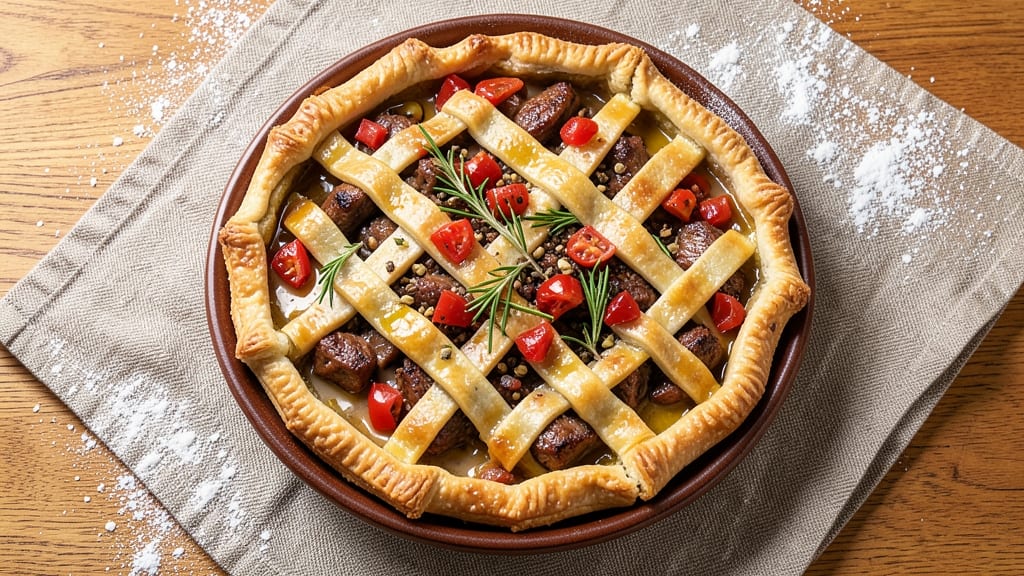
This lamb meat pie recipe delivers the perfect balance of tender, spiced filling wrapped in a flaky crust that becomes the star of any dinner table. The secret lies in slow-cooked lamb shoulder, transformed into melt-in-your-mouth pieces through precise seasoning and simmering—no tough cuts here.
I've perfected the technique over years of testing, ensuring the filling stays moist while the crust achieves that golden, crisp finish.
The filling begins with lamb shoulder cut into even pieces, browned to develop deep flavor, then simmered with aromatic spices, onions, and herbs until fork-tender. Meanwhile, the pastry comes together with cold butter cut into flour for maximum flakiness—a professional technique that makes all the difference.
Assembly is where the magic happens: a bottom crust lined with filling, topped with a lattice or solid crust, and baked until bubbling and golden.
What you'll end up with is a pie that smells like comfort food the moment it emerges from the oven—crisp edges, tender filling, and layers of savory-spiced flavor in every bite. The crust stays flaky while holding its shape, and the filling remains juicy despite baking time.
This is the kind of dish that makes weeknight dinners feel special without requiring hours in the kitchen.
Serve with a simple green salad or buttered peas to balance the richness, and prepare for compliments that'll have everyone asking for seconds. The recipe scales beautifully for gatherings, and leftovers reheat perfectly. Let's get started on creating this showstopper pie.
Ingredients for lamb meat pie
Six ingredients transform lamb shoulder into melt-in-your-mouth filling wrapped in restaurant-quality flaky crust.
| Ingredient | Amount | Notes |
|---|---|---|
| Lamb Shoulder 🐑 | 3 lb | Bone-in, cut into 1.5-inch pieces |
| All-Purpose Flour 🌾 | 4 cups | For both filling and crust |
| Unsalted Butter 🧈 | 1 ½ cups | Cold, cubed for pastry |
| Yellow Onion 🧅 | 1 ½ cups | Finely diced, sweet variety |
| Garlic Cloves 🧄 | 6 cloves | Minced, fresh preferred |
| Ground Cumin 🌿 | 1 tbsp | Toasted for deeper flavor |
| Ground Coriander 🌿 | 1 tbsp | Freshly ground preferred |
| Ground Allspice 🌶️ | ½ tbsp | For warmth and depth |
| Dried Rosemary 🌿 | 1 tbsp | Fresh if available, chopped |
| Dried Thyme 🌿 | 1 tbsp | Or 1 tbsp fresh thyme |
| Kosher Salt 🧂 | 2 tbsp | Plus extra for seasoning |
| Black Peppercorns 🌶️ | 1 tbsp | Freshly cracked |
| Beef Stock 💧 | 2 cups | Low-sodium preferred |
| Red Wine 🍷 | ½ cup | Dry, like Cabernet Sauvignon |
| Ice Water ❄️ | ½ cup | For pastry dough |
The lamb shoulder is non-negotiable for this pie—bone-in ensures maximum flavor and moisture. Ask your butcher to cut it into even 1.5-inch pieces; this ensures consistent cooking. Most grocery stores carry lamb shoulder in the meat case, but Whole Foods or specialty butchers often have higher-quality cuts. Look for pieces with good marbling—this fat renders during cooking, keeping your filling impossibly tender. If you can't find bone-in, use boneless but increase cooking time by 15 minutes. The spices are where the magic happens: toast the cumin and coriander seeds in a dry pan for 30 seconds before grinding for a deeper flavor. Store-bought ground spices work, but freshly toasted and ground will elevate your pie to another level.
No red wine? Substitute with beef stock plus 1 tbsp balsamic vinegar—it mimics the acidity and depth. Short on time? Fresh thyme works 1:1 with dried, but dried is more convenient for storage. The beef stock should be low-sodium—most store-bought versions contain enough salt to overpower the delicate lamb flavor. For the pastry, European-style butter (like Plugrá or President) contains more fat, resulting in a flakier crust. If you can only find regular butter, chill it thoroughly before cutting into the flour. The ice water is crucial—it prevents the dough from over-developing gluten, which would make the crust tough. If you forget, use cold water and add a few ice cubes.
Leftover filling reheats beautifully—simmer on the stove with a splash of beef stock until warmed through. The crust can be pre-baked and frozen for up to 3 months; thaw overnight before assembly. Fully assembled pies freeze well too, but bake immediately after thawing for the best texture. Store-bought pie crusts work in a pinch, but homemade delivers that professional flakiness. For the best results, let the filling cool completely before assembling—this prevents soggy bottom crust. Serve with a dollop of crème fraîche or minted yogurt to cut through the richness. The pie keeps well at room temperature for 2 days, but the crust is best enjoyed fresh.
Why You'll Love This Recipe
- One-Pot Wonder: I swear by this recipe when I’m too tired to dirty multiple dishes—just brown the lamb shoulder in the same pot you’ll use for the filling, then toss in onions and garlic. The butter and flour make a rich gravy that practically cooks itself while the crust browns.
- Deep Umami Magic: That slow-cooked lamb shoulder? It’s the star—fall-apart tender with layers of garlic and caramelized onions that make every bite taste like a restaurant meal. Honestly, the first time I made it, my partner asked for seconds before I even sat down.
- Weeknight to Dinner Party: Between us, this pie is my secret weapon for both lazy nights and impressing guests. Serve it with crusty bread for a casual meal, or add a sprinkle of parsley and a glass of red wine for a fancy touch. (Yes, even on a Tuesday night.)
- Budget-Friendly Feast: Lamb shoulder stretches further than you’d think, and a single pie feeds four with leftovers that reheat like a dream. I’ve packed lunches with slices for days—crispy crust, savory filling, and zero guilt about the grocery bill.
Step-by-step instructions for flaky crust hugging savory spiced filling
Here's how to assemble a pie with layers that deliver both texture and flavor perfection.
Prepare the Lamb Filling with Perfect Seasoning
Pat the 3 lb lamb shoulder dry with paper towels and cut into 1.5-inch pieces. In a large bowl, combine the lamb with 1.5 cups finely diced yellow onion, 6 minced garlic cloves, 1 tbsp ground cumin, 1 tbsp ground coriander, 0.5 tbsp ground allspice, 1 tbsp dried rosemary, 1 tbsp dried thyme, 2 tbsp kosher salt, and 1 tbsp freshly cracked black peppercorns. Toss until every piece is evenly coated in the spice blend.
Heat a large Dutch oven over medium-high heat and add the lamb mixture in batches, searing until browned on all sides—about 3-4 minutes per batch. Remove the lamb and set aside. In the same pot, add 0.5 cup red wine and scrape up any browned bits from the bottom. Let it reduce by half, then return the lamb to the pot and pour in 2 cups beef stock. Bring to a simmer, cover, and cook for 1 hour 15 minutes until the lamb is fork-tender and the sauce has thickened slightly. Let it cool completely before assembling the pie.
Create the Flaky Pastry Dough
In a large bowl, combine 4 cups all-purpose flour and 2 tbsp kosher salt. Cut in 1.5 cups cold, cubed unsalted butter using a pastry cutter or your fingers until the mixture resembles coarse crumbs with pea-sized butter pieces. Gradually add 0.5 cup ice water, one tablespoon at a time, mixing just until the dough comes together. Avoid overworking it—this prevents tough pastry.
Divide the dough into three equal portions. On a lightly floured surface, roll out one portion into a 12-inch circle for the base. Brush it lightly with water, then roll out the second portion into another 12-inch circle for the top. Keep the third portion chilled for the lattice if desired, or set aside for trimming. The dough should be cold but pliable—if it cracks, let it rest for 10 minutes before handling again.
Assemble the Pie with Precision Layers
Preheat your oven to 375°F. Line a 9x13-inch baking dish with parchment paper for easy removal. Press the base dough into the dish, trimming any excess and crimping the edges with a fork. Spread the cooled lamb filling evenly into the crust, leaving a ½-inch border at the edges. This ensures the filling doesn't touch the top crust, preventing sogginess.
Moisten the edges of the base crust with water, then place the top crust over the filling. Trim any excess dough and create a lattice pattern by cutting the third portion of dough into 1-inch strips and weaving them over the top. Brush the lattice with a beaten egg wash for a golden finish. Bake for 45-50 minutes until the crust is deep golden brown and the filling is bubbling. The internal temperature of the lamb should reach 160°F.
Rest and Serve for Maximum Flakiness
Remove the pie from the oven and transfer it to a wire rack. Let it cool for 30 minutes before slicing—this allows the juices to redistribute and the crust to set properly. The filling should be rich and aromatic, with the lamb falling apart easily. Serve warm with a side of roasted vegetables or a simple green salad to complement the savory flavors.
For best results, store leftovers in an airtight container and reheat in the oven at 350°F for 15-20 minutes to restore crispness. This pie keeps well for 3-4 days, making it an excellent make-ahead option for gatherings.
Pro Tips For Making Lamb Meat Pie
- Brown the Lamb First: Skip the raw lamb in gravy—sear it in batches until deep golden before shredding. That crust locks in flavor and keeps the meat from turning mushy when it bakes later (trust me, I’ve tasted both).
- Sweat, Don’t Sauté Onions: Cook onions low and slow until translucent, not crispy—this avoids bitter flavors creeping into the pie filling. I used to rush this and wondered why my pie tasted like burnt onion water.
- Blind-Bake the Crust: Weigh down the pie crust with dried beans or pie weights before baking—this prevents a soggy bottom. Yes, it’s an extra step, but your crust will stay crisp, not gummy.
- Use Cold Butter in Pastry: Cut cold unsalted butter into flour with a pastry cutter until pea-sized lumps remain—this guarantees flaky layers. I learned this after my first pie crust turned out like cardboard.
Essential equipment for lamb meat pie
Dutch Oven Essentials
The Dutch oven is your secret weapon for this lamb pie—its tight-fitting lid traps steam, creating a moist environment that keeps the lamb tender while the crust bakes to golden perfection.
I swear by a Le Creuset 6-quart for its even heat distribution and durability, but Lodge Cast Iron is a more budget-friendly alternative that heats up faster. Preheat your Dutch oven on the stovetop for 5 minutes before searing the lamb to ensure even browning and prevent sticking. 🔥
Pastry Tools Matter
For the flaky crust, a pastry cutter (like the OXO Good Grips) is a game-changer—it evenly distributes cold butter into the flour, creating those signature layers. If you don’t have one, use two forks or your fingers, but work quickly to keep everything cold.
A rolling pin with a handle (I love the Nordic Ware) helps roll out even circles without squishing the dough. Keep your work surface lightly floured but not dusted—too much flour makes the dough tough.
Precision Baking Dish
A 9x13-inch baking dish is ideal for this pie, but avoid non-stick pans—they don’t conduct heat as well. I recommend a Ceramic Core or All-Clad dish for even baking. Line the bottom with parchment paper to prevent sticking and make removal effortless.
If your dish lacks crimping edges, use a fork or pie crimper tool to seal the crust edges tightly—this prevents filling from leaking out during baking.
Temperature Control Gear
An instant-read thermometer (like the ThermoWorks ThermoPop) is non-negotiable for checking the lamb’s internal temperature—aim for 160°F to ensure safety without overcooking. For the oven, a digital thermometer probe (such as the Meater) helps monitor internal temps if your oven runs hot or cold.
Preheat your oven to 375°F and use the middle rack for even heat distribution. A wire cooling rack is essential for resting the pie—it prevents soggy bottoms by allowing air circulation. ✨
Lattice Mastery Tools
Creating a lattice top is easier with the right tools: a sharp chef’s knife (I use a Wüsthof) and a ruler or lattice template (available at kitchen supply stores) for straight cuts. If freehand isn’t your strength, use a pastry wheel for cleaner lines.
Brush the lattice with egg wash (1 egg + 1 tbsp water) for a glossy finish—this also adds a subtle richness. For extra flair, sprinkle flaky sea salt or toasted sesame seeds before baking.
Make-Ahead Storage
Store leftovers in an airtight container (like Rubbermaid Brilliance) in the fridge for up to 4 days or freeze for 3 months. To reheat, cover with foil and warm in a 350°F oven for 15-20 minutes.
For pre-baked crusts, wrap tightly in plastic wrap and freeze—thaw overnight before assembling. A pie server (with a serrated edge) makes slicing clean cuts without crushing the lattice. 💫
Nutrition facts
Frequently asked questions
Can I substitute lamb shoulder with another cut?
Yes, but choose carefully! Lamb shank works well (increase cooking time to 2 hours for tenderness), while ground lamb is best for mini pies or as a filling in a tart. Avoid lean cuts like loin—they dry out. For flavor, add 1 tbsp tomato paste to compensate for less fat.
How do I prevent a soggy bottom crust?
Three keys:
- Chill the filling completely before assembling (prevents steam),
- Leave a ½-inch border of crust around edges, and
- Pre-bake the bottom crust for 10 minutes at 375°F before adding filling. Brush the base with egg wash for extra crispness.
What's the best way to reheat leftovers?
Oven is ideal: Cover with foil and warm at 350°F for 15-20 minutes to restore crust crispness. For microwave, use 30-second bursts on low power—add 1 tbsp beef stock to keep filling moist. Never reheat uncovered; the crust will dry out.
Can I make this pie ahead of time?
Assemble the pie 1 day ahead and refrigerate uncovered for 24 hours to dry the crust slightly. Bake straight from the fridge (add 5-10 minutes to baking time). For freezing, bake completely, cool, wrap tightly in plastic, and freeze for up to 3 months. Thaw overnight before serving.
Why does my crust turn out tough?
Overworking the dough or using warm butter are the usual culprits. Keep everything cold, use ice water (not cold), and handle the dough minimally. For extra flakiness, fold the butter into the flour like a snowball rather than cutting it in. If the dough cracks, let it rest 10 minutes before rolling.