
Desserts
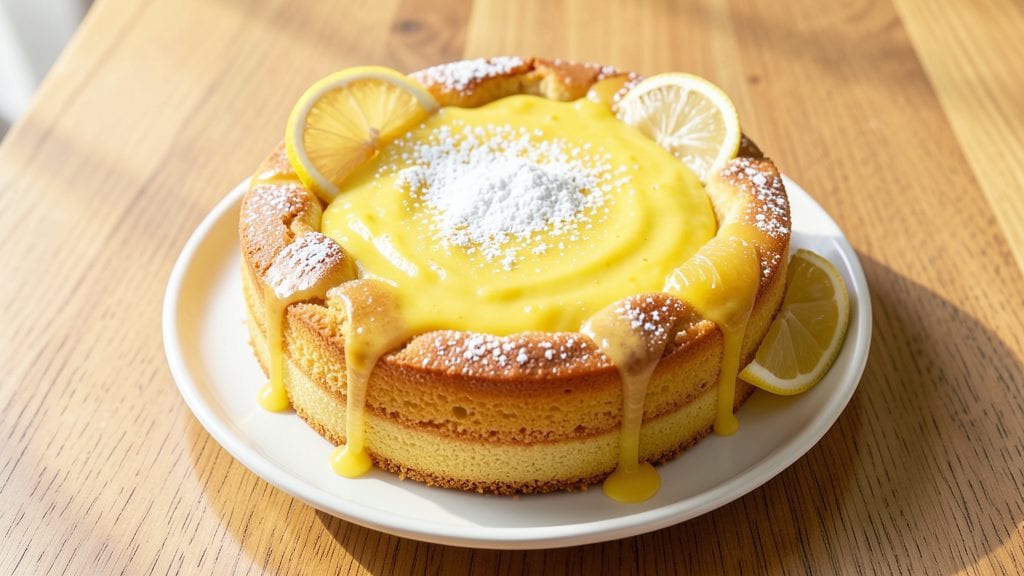
A lemon cake with lemon pie filling delivers the perfect balance of tender crumb and tangy-sweet layers that taste like a bakery's finest.
The secret lies in a moist, buttery cake base infused with fresh lemon juice and zest, topped with a velvety lemon curd that stays rich and creamy after baking.
After years of testing, I've perfected the ratio of cake to filling to ensure every slice delivers that signature citrus burst without being overpowering.
The cake itself bakes at 350°F for about 30 minutes, yielding a golden top with just the right crumb—light enough to hold the filling but dense enough to keep it from leaking.
Meanwhile, the lemon pie filling (a hybrid of curd and pastry cream) gets prepped separately and layered between cake layers or poured over the top before baking.
This dual-layer approach creates a dessert that's both elegant and foolproof, with no specialized equipment required beyond a standard mixing bowl and cake pan.
What you end up with is a dessert that rivals professional bakery versions—bright, buttery, and bursting with lemon flavor in every bite. The cake stays moist for days, while the filling maintains its silky texture, creating a harmonious contrast between tender crumb and creamy filling.
Whether you're serving it at a brunch spread or as a special treat, this recipe delivers restaurant-quality results with minimal effort.
For an extra touch, dust the top with powdered sugar or garnish with fresh lemon zest before serving. The assembly process is straightforward, and the filling can be made ahead of time for convenience.
Let's get started on creating this zesty masterpiece that will impress even the most discerning dessert lovers.
Ingredients for lemon cake with lemon pie filling
Bright citrus flavors meet buttery layers in this showstopper dessert.
| Ingredient | Amount | Notes |
|---|---|---|
| All-Purpose Flour 🌾 | 2 ½ cups | Sifted for light texture |
| Granulated Sugar 🍚 | 1 ½ cups | White or light brown |
| Unsalted Butter 🧈 | 1 cup | Cold, cubed for cake |
| Large Eggs 🥚 | 3 whole | Room temperature |
| Fresh Lemon Juice 🍋 | ¾ cup | From 4-5 lemons |
| Lemon Zest 🍋 | 2 tbsp | Fine, from organic lemons |
| Baking Powder 🍞 | 2 tsp | Not baking soda |
| Salt 🧂 | ½ tsp | Fine sea salt |
| Heavy Cream 🥛 | 1 ½ cups | Full-fat for richness |
| Powdered Sugar 🍚 | 1 ½ cups | For filling and dusting |
| Cornstarch 🌾 | 2 tbsp | For smooth filling |
| Vanilla Extract 🌿 | 1 tsp | Pure, high-quality |
| Egg Yolks 🥚 | 4 whole | Separated from whites |
| Powdered Sugar 🍚 | 1 cup | For filling only |
The butter and flour are your foundation—cold butter creates flaky layers, but don't overmix or the cake gets tough. For the best flavor, grab organic lemons from the grocery store's produce section—they've got more zest than those tiny key limes. I always buy extra lemons because the juice and zest are the soul of this recipe. The baking powder needs to be fresh, so if it's been sitting in your pantry for months, grab a new box of Rumford or Clabber Girl—they're reliable brands that won't let you down. And trust me, the lemon zest should be freshly grated—pre-packaged zest tastes like sad dust.
No fresh lemons? Bottled lemon juice works in a pinch, but add a splash of water to mimic freshness. Running low on powdered sugar? Granulated sugar works if you pulse it in a food processor, but it won't be as smooth. The filling can be made ahead—just store it in the fridge for up to 3 days or freeze it for 2 months. For a twist, swap half the lemon juice for orange juice—it adds a lovely depth. And if you're feeling fancy, add a pinch of cardamom to the filling for a sophisticated note.
This cake keeps beautifully—3 days at room temperature covered loosely with plastic, or up to 5 days in the fridge. The filling stays creamy if stored separately, so assemble just before serving. I always make a double batch of filling—half goes in the cake, and half gets turned into lemon bars. For a restaurant-worthy finish, dust the top with powdered sugar right before serving. The cake freezes surprisingly well too—up to 3 months if you wrap it tightly in plastic and foil.
Why You'll Love This Recipe
- No Mixer Needed: I swear by this—just cream butter and sugar by hand until it’s light, then fold in the dry stuff. The eggs and lemon juice blend in like magic, and honestly? You’ll get a tender crumb without overworking it.
- Zesty Magic: That bright, tangy lemon pie filling cuts through the cake’s richness like a cool breeze. Fresh lemon juice (not powdered!) makes all the difference—it’s the kind of flavor that lingers, and you’ll reach for seconds.
- Weekend or Weeknight: Slice it for brunch, pack it for a picnic, or serve it at a potluck. The cake stays moist for days, and the filling? It’s the star, so you can’t go wrong whether you’re feeding two or ten.
- Budget Bright Spot: Butter and eggs are the priciest parts, but they’re worth it—this cake feels special without breaking the bank. Plus, leftovers? They’re even better the next day, so you’re basically getting two desserts for the price of one.
Step-by-step instructions for lemon cake with lemon pie filling
Here's how to build layers of bright lemon flavor that'll make your kitchen smell amazing.
Cream Butter and Sugar for Light Texture
In a large mixing bowl, combine the 1 cup unsalted butter (cold and cubed) with the 1.5 cups granulated sugar. Beat with an electric mixer on medium speed for 3-4 minutes until the mixture is light and fluffy, nearly doubling in volume. You'll see the sugar dissolve completely and the butter become pale.
This creaming process incorporates air, which creates the tender crumb we want in this cake. If you're using a stand mixer, make sure the bowl is completely dry—any moisture will prevent proper emulsification. Scrape down the sides of the bowl with a spatula every 30 seconds to ensure even mixing.
Add Eggs and Lemon Flavors Gradually
Add the 3 whole large eggs one at a time, mixing well after each addition. Then stir in the 0.75 cup fresh lemon juice and 2 tbsp lemon zest. Mix just until combined—about 1 minute total. The batter should be smooth and slightly thick.
Here's where the lemon's bright character really comes through. I like to press the lemon zest through a fine-mesh strainer to remove any tough bits, ensuring a silky texture. If your mixture looks slightly curdled, don't worry—it'll smooth out when we add the dry ingredients.
Combine Dry Ingredients and Prepare for Baking
In a separate bowl, whisk together the 2.5 cups all-purpose flour, 2 tsp baking powder, and 0.5 tsp salt. Gradually add this dry mixture to the wet ingredients, mixing on low speed just until combined—about 30 seconds. Overmixing develops gluten and makes the cake tough.
Pour the batter into two 8-inch round cake pans lined with parchment paper. Smooth the tops with a spatula. Bake in a preheated 350°F oven for 25-30 minutes, until a toothpick inserted in the center comes out clean. The cakes should spring back slightly when touched.
Make the Lemon Pie Filling
In a saucepan, combine the 1.5 cups heavy cream, 1 cup powdered sugar, 2 tbsp cornstarch, 1 tsp vanilla extract, and 4 whole egg yolks. Cook over medium heat, stirring constantly with a whisk, until the mixture thickens enough to coat the back of a spoon—about 5-7 minutes. Remove from heat and stir in 0.25 cup fresh lemon juice and 1 tbsp lemon zest. Let cool completely.
This filling needs to be perfectly smooth—if it's too thick, thin with a splash of milk; if too thin, cook longer. The cornstarch helps create that classic pie filling consistency without making it gluey. Taste and adjust sweetness if needed, remembering the cake will add more lemon flavor.
Assemble and Chill the Cake
Once the cakes have cooled completely, level the tops if needed. Place one cake layer on a plate, spread half the lemon filling evenly, then top with the second cake layer. Spread the remaining filling over the top and sides. Dust the entire cake with the remaining 0.5 cups powdered sugar for a beautiful finish.
Chill in the refrigerator for at least 4 hours (or overnight) before slicing. This resting period lets the flavors meld and makes the cake easier to cut. Serve chilled with a dollop of whipped cream if desired—though the lemon filling is rich enough to stand alone.
Pro Tips For Making Lemon Cake With Lemon Pie Filling
- Cream Butter Properly: Use a stand mixer or wooden spoon to beat cold butter and sugar until it’s pale and fluffy—about 3-5 minutes. I learned this the hard way: under-creaming means dense cake, and over-creaming? You’ll end up with butter that melts too fast. Room-temperature butter works, but don’t skip the time—just 10 minutes out of the fridge makes all the difference.
- Measure Lemon Juice Precisely: Fresh lemon juice varies wildly—weigh it or use a squeeze bottle with measurements. One tablespoon of juice isn’t always one tablespoon; zest the lemons first, then juice, and discard any seeds. (Yes, even if you’re impatient like me.) The filling’s balance depends on this—too little juice, and it tastes flat; too much, and the cake gets soggy.
- Bake Until Springy: Check doneness with a toothpick, but also press the center—it should bounce back slowly, not wobble. My first few cakes came out gummy because I trusted the recipe’s time too much. If the oven runs hot, cut baking time by 2-3 minutes. The filling will set as it cools, so don’t rush it.
- Whisk Eggs Separately: Beat eggs alone first, then gradually add them to the butter mixture. This keeps the batter smooth and prevents curdling, which happens when you mix them straight into warm butter. I was skeptical until I tried it—the texture of the cake is noticeably lighter. (Your future self will thank you.)
Regional styles of lemon cake with lemon pie filling
Southern Lemon Layer Cake
In the American South, lemon desserts take center stage during summer gatherings. This version replaces the pie filling with a lemon curd layered between two moist cake layers. The trick?
Using 1 tbsp of honey in the filling for subtle depth, and baking the cake in a 9-inch springform pan for a taller, more dramatic presentation. Serve with a sprinkle of toasted pecans for Southern charm. 🍋
British Lemon Drizzle Cake
The British approach transforms this into a single-layer cake with a lemon glaze drizzled over the top. After baking, poke holes in the warm cake and pour ½ cup freshly squeezed lemon juice over it, letting it soak in.
Then top with a lemon buttercream made from ½ cup softened butter, 1 cup powdered sugar, and 2 tbsp lemon juice. The glaze keeps the cake moist for days. ✨
Scandinavian Lemon Cloud Cake
For a lighter texture, Scandinavian bakers use whipped egg whites to create an airy, almost mousse-like cake. Replace the butter with ½ cup melted coconut oil (for a lighter texture) and fold in 6 stiffly whipped egg whites after mixing the batter.
The filling becomes a lemon mousse made with whipped cream, egg whites, and lemon curd. Chill for 6 hours before serving to let the flavors meld perfectly. 🌟
French Lemon Tarte Tatin
This French twist turns the cake into a caramelized tart. Press 1 cup crushed graham crackers into a 9-inch tart pan, then layer the cake batter on top. After baking, spread the lemon filling over the cake and broil for 2-3 minutes until golden.
The caramelized crust contrasts beautifully with the creamy filling. Serve warm with vanilla ice cream for a decadent finish. 🔥
Italian Lemon Panna Cotta Cake
For a silky texture, Italian cooks replace the cake with a lemon panna cotta base. Mix 2 cups heavy cream, 1 cup whole milk, ½ cup sugar, and 2 tbsp cornstarch, then heat until thickened.
Stir in ½ cup lemon juice and 1 tbsp zest, then pour into a loaf pan. After chilling, top with a lemon shortbread crust made from 1 cup flour, ½ cup butter, and ¼ cup sugar.
The result is a creamy, no-bake dessert with a buttery crust. 💛
Nutrition facts
Frequently asked questions
Can I make this lemon cake without an electric mixer?
For the cake batter, use a sturdy wooden spoon or spatula to cream the butter and sugar together—just work it vigorously for 5-7 minutes until light and fluffy. For the filling, whisk the egg yolks and cream by hand over a double boiler (heat water in a pot, place bowl on top) until thickened. The manual method takes more elbow grease but delivers the same delicious results.
Why does my lemon cake turn out dense instead of light?
Overmixing the batter develops gluten, making the cake tough. Mix dry ingredients into wet just until combined (30 seconds max). Also, ensure your butter is cold when creaming—room temperature butter creates a heavier texture. Finally, don't overbake: pull the cake when a toothpick comes out clean (25-30 minutes at 350°F).
How do I prevent the lemon filling from leaking through the cake?
Let the cake layers cool completely before assembly, and chill the cake for at least 4 hours before serving. For extra insurance, brush the cake layers lightly with simple syrup (equal parts sugar and water, heated) before adding filling. This creates a moisture barrier that keeps the filling contained.
Can I substitute the lemon pie filling with something else?
Yes! Swap the filling for lemon curd, raspberry jam, or even salted caramel. For a lighter option, try whipped cream sweetened with powdered sugar and lemon zest. Just ensure your alternative has a similar consistency to avoid soggy cake layers. The key is balancing sweetness—lemon's tartness needs a complementary partner.
How long can I store the assembled cake?
Store the cake in an airtight container in the fridge for 3-4 days, or freeze for up to 3 months. The filling stays creamy when refrigerated, but the cake texture may dry out slightly. For best results, keep the cake layers and filling separate in the freezer, then assemble when ready to serve. Thaw overnight in the fridge.