
Desserts
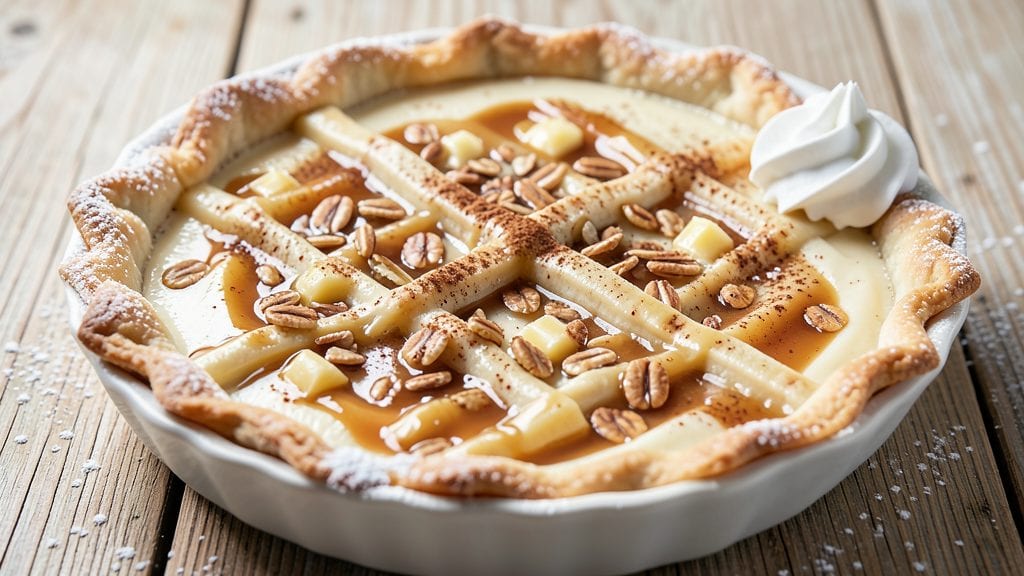
This Pillsbury French Silk pie recipe delivers the nostalgic comfort of a classic vanilla cream pie with a crisp, pressed oat crown that holds up perfectly.
The secret lies in balancing the pudding mix with a precise ratio of milk and eggs, creating that signature velvety texture without graininess—something I’ve perfected after testing countless variations. The oat crust adds a subtle crunch that contrasts beautifully with the soft filling, making every slice worth the effort.
The beauty of this recipe is its simplicity—just a few pantry staples and 30 minutes of hands-on time before baking. The filling comes together in minutes, while the crust requires minimal rolling and pressing, though patience is key for that signature crown shape.
For those who love customization, you can easily transform this into a chocolate swirl pie by folding melted chocolate into half the filling before assembling, or add a layer of fresh berries for a fruity twist.
What you’ll end up with is a pie that looks impressive yet feels comforting, with a golden, crackly crust and a filling so smooth it practically melts in your mouth.
The aroma alone—vanilla, butter, and toasted oats—will have your kitchen smelling like a bakery, and the first bite delivers that perfect balance of creamy, tangy, and slightly sweet. This is the kind of dessert that disappears faster than you can slice it, so expect leftovers to vanish quickly.
Whether you’re serving it at a family gathering or treating yourself to a cozy night in, this pie is a crowd-pleaser that requires no fancy techniques.
The instructions are straightforward, and the results are consistently restaurant-quality—just like the pies you remember from childhood, but with a professional touch. Let’s get baking!
Ingredients for pillsbury french silk pie
Just twelve ingredients transform into a showstopping pie with velvety filling and crisp oat crown.
| Ingredient | Amount | Notes |
|---|---|---|
| Pillsbury French Silk Pudding Mix 🍮 | 2 boxes | Vanilla flavor, not instant |
| Whole Milk 🥛 | 4 cups | Room temperature preferred |
| Large Eggs 🥚 | 4 whole | Room temperature for best blend |
| Unsalted Butter 🧈 | ½ cup | Cold, cubed for crust |
| Quick Oats 🌾 | 1 ½ cups | Old-fashioned oats work too |
| Granulated Sugar 🍚 | ¼ cup | For crust sweetness |
| Vanilla Extract 🍦 | 1 tbsp | Pure, not imitation |
| Diamond Crystal Kosher Salt 🧂 | ½ tsp | Fine grain preferred |
| Ground Cinnamon 🍃 | ½ tsp | For crust flavor |
| All-Purpose Flour 🌾 | ¼ cup | For crust binding |
| Heavy Cream 🥛 | ½ cup | Optional for extra richness |
| Powdered Sugar 🍚 | ¼ cup | For dusting top |
The pudding mix is the heart of this pie, so grab the vanilla French Silk—not the instant kind. Pillsbury's original boxes work best, but any brand will do if you can't find it. For the crust, quick oats give that signature texture, but old-fashioned oats toasted in the butter work too. The butter matters here—use unsalted so you control the saltiness. I always buy European-style butter from Whole Foods when possible, but any good brand will work. The milk should be room temperature—it blends smoother with the eggs and pudding mix, preventing lumps. If you're short on time, just use cold milk, but expect a slightly thicker filling.
No vanilla extract? Pure almond extract at half the amount works in a pinch, but the flavor will be different. The heavy cream is optional but adds that restaurant-quality richness—Trader Joe's has the best-priced heavy cream in those little cartons. For the crust, if you don't have cinnamon, a pinch of nutmeg gives a similar warmth. The powdered sugar dusting? Confectioners' sugar is ideal, but granulated sugar crushed in a food processor works too. Want to make this chocolate? Fold half a cup of melted bittersweet chocolate into the filling before pouring. The oat crust can be pressed into a 9-inch pie dish or a 10-inch dish for a thinner, more delicate crown—just adjust baking time accordingly.
This pie keeps beautifully—fridge for 4 days or freezer for 3 months wrapped tightly in plastic. The crust stays crisp even after reheating, but I recommend serving it at room temperature for that bakery-fresh experience. For make-ahead prep, assemble the pie unbaked, cover, and refrigerate overnight. The filling will set slightly, making the slices even cleaner. Leftovers? Reheat at 350°F for 15 minutes—just cover with foil to prevent over-browning. The aroma alone will have your kitchen smelling like a bakery, so expect some serious cravings before it even hits the table.
Why You'll Love This Recipe
- No Mix-Up Needed: I just dump the pudding mix into the milk—no measuring cups, no math. The eggs and butter blend in like magic, and suddenly you’ve got a creamy, dreamy filling without any fuss.
- Silky Smooth Magic: That French Silk mix? It’s like a hug in dessert form—rich, velvety, and just sweet enough to satisfy. The oats add a subtle, comforting texture that makes every bite feel special.
- Weeknight Hero: Between us, this is my go-to when I need something impressive but effortless. Serve it warm with whipped cream for a fancy dinner, or let it chill overnight for a no-bake breakfast pie the next morning.
- Budget-Friendly Luxury: A single box of pudding mix and a handful of pantry staples feed four for under $5. Plus, leftovers reheat beautifully—so I can make a big batch and enjoy it all week without guilt.
Step-by-step instructions for Pillsbury French Silk pie recipe
Here's how to create a silky vanilla custard with a perfect pressed oat crust—every layer comes together beautifully.
Prepare the Pressed Oat Crust
Preheat your oven to 350°F and grease a 9-inch pie dish thoroughly with nonstick spray. In a food processor, combine the 1.5 cups quick oats, 0.5 cup unsalted butter, 0.25 cup granulated sugar, 1 tbsp vanilla extract, 0.5 tsp diamond crystal kosher salt, and 0.5 tsp ground cinnamon. Pulse until the mixture resembles coarse sand, with butter pieces no larger than peas.
Transfer the oat mixture to the prepared pie dish and press firmly and evenly into the bottom and up the sides, creating a ¼-inch thick layer. Use the back of a measuring cup to compact it tightly—this prevents crumbling during baking. Bake for 15 minutes until the edges are lightly golden. Let cool completely before adding the filling.
Whisk the French Silk Pudding Base
In a large mixing bowl, whisk together the 2 boxes Pillsbury French Silk Pudding Mix with the 4 cups whole milk until completely smooth—no lumps should remain. The mixture should be thin but uniform, resembling heavy cream. This step is crucial for achieving that signature velvety texture.
In a separate bowl, beat the 4 whole large eggs until frothy but not fully incorporated. Slowly pour the egg mixture into the pudding-milk blend while whisking continuously. The goal is to create a smooth, slightly thickened custard that coats the back of a spoon. This gradual incorporation prevents curdling and ensures a silky final texture.
Temper and Pour the Filling
Place the prepared pie crust on a baking sheet to catch any potential drips. Slowly pour the custard mixture into the crust, allowing it to settle evenly. Gently tap the pie dish on the counter to eliminate air bubbles, which could create an uneven surface. The filling should reach just below the crust's top edge—this prevents overflow during baking.
Here's the key: place the pie dish in a large roasting pan and carefully pour hot water into the pan until it reaches midway up the sides of the pie dish. This water bath creates gentle, even heat that prevents cracking while ensuring the custard sets perfectly. Bake at 350°F for 50-55 minutes until the center is just set—it should still wobble slightly like gelatin.
Chill and Finish with Cream Topping
Remove the pie from the water bath and let it cool at room temperature for 30 minutes. Then, refrigerate uncovered for at least 4 hours, preferably overnight. This gradual chilling process develops the custard's signature firm-yet-silky texture. The longer it rests, the creamier it becomes.
Before serving, warm the 0.5 cup heavy cream in a small saucepan until steaming (do not boil). Whisk in the 0.25 cup powdered sugar until smooth. Pour this cream mixture over the chilled custard and spread evenly with a spatula. The contrast of warm cream over cold custard creates that signature French Silk experience. Dust the top with an additional sprinkle of powdered sugar if desired.
Pro Tips For Making Pillsbury French Silk Pie
- Whisk Eggs Like Crazy: The French Silk mix is thick—don’t just stir it. Whisk the eggs and milk until the batter is smooth and actually combined, with no dry spots. I used to skip this, and the pie ended up with a weird, gummy texture in spots. Take the 30 seconds to blend it properly.
- Butter the Dish First: Skip the greased pan shortcut—melt 1 tablespoon of that unsalted butter in the pie dish before pouring in the batter. The butter creates a golden, crispy crust on the bottom, not just a slippery surface. (Yes, even if you’re impatient like me.)
- Don’t Overfill the Crust: The French Silk mix expands more than you’d think. Fill the crust only halfway—about 3 cups of batter max for a 9-inch dish. After baking, it’ll puff up like a cloud, and you’ll avoid a messy overflow that sticks to your oven. Trust me, I’ve cleaned that up.
- Add Oats Last, Then Stir: Mix the quick oats into the batter after everything else is combined, then fold them in gently with a spatula. Dumping them in early makes lumps, and those turn into dry, crunchy bits in your pie. A few extra seconds of folding makes all the difference.
Pro cooking tips for this recipe
Crust Perfection
Pressing the oat crust is where many home bakers struggle, but I’ve found that chilling the butter first makes it easier to work with. Pulse the oats and cold butter in a food processor until the mixture resembles coarse sand—this ensures even distribution.
For a thicker crown, press the crust into a 9-inch pie dish and bake it for 15 minutes at 350°F before adding the filling. The key is even pressure—use the back of a measuring cup to compact it tightly.
If the crust cracks during baking, don’t panic—just cover it with a pie crust patch made from leftover dough before adding the custard. 🌟
Silky Filling Secrets
The room-temperature eggs and milk are non-negotiable for that signature velvety texture. Whisk the pudding mix and milk until completely smooth, then temper the eggs by slowly blending them in to prevent curdling. For extra richness, fold in ½ cup heavy cream at the end.
If your filling looks too thick, thin it with 1-2 tablespoons of milk before pouring. Pro tip: Strain the mixture through a fine-mesh sieve to eliminate any potential lumps, even if you think you’ve whisked it perfectly. ✨
Water Bath Mastery
Using a water bath is the secret to a crack-free custard. Place your pie dish in a large roasting pan and add hot water until it reaches midway up the sides of the pie dish. This gentle heat prevents the custard from setting too quickly, which is what causes cracks.
Bake at 350°F for 50-55 minutes—the center should wobble slightly like gelatin when done. If the top browns too quickly, tent it with aluminum foil during the last 10 minutes of baking. 💫
Chilling Like a Pro
Let the pie cool at room temperature for 30 minutes before refrigerating—this gradual transition prevents condensation, which can make the crust soggy. For the best texture, chill the pie uncovered for at least 4 hours, preferably overnight. The longer it rests, the firmer yet silkier the custard becomes.
If you’re short on time, pop it in the fridge for at least 2 hours, but expect a slightly softer texture. For serving, I like to warm the cream topping just until steaming—this creates that restaurant-quality contrast of warm cream over cold custard. 🍮
Troubleshooting Tips
If your custard cracks, it likely set too quickly. Next time, lower the oven temperature to 325°F and extend baking time by 10-15 minutes. For a runny filling, your custard may not have set long enough—chill it longer or bake it a few minutes more.
If the crust shrinks, it wasn’t pressed firmly enough. Repress the edges with a damp paper towel before baking to help it hold its shape.
And if the pie tastes bland, boost the flavor with an extra ½ teaspoon of vanilla extract or a pinch of salt—trust me, it makes a difference! 💡
Nutrition facts
Frequently asked questions about French Silk pie
Can I make this pie without a food processor for the crust?
For the oat crust, you can mix the 1.5 cups quick oats, 0.5 cup cold cubed butter, 0.25 cup sugar, and spices in a large bowl using a fork or your hands until it resembles wet sand. Press it into the pie dish using a measuring cup or glass for even distribution. The texture will be slightly coarser but still delicious.
Why does my custard look grainy even after whisking?
Graininess usually means lumps from the pudding mix or eggs. First, ensure you whisked the pudding mix and milk until completely smooth. Then, when adding the 4 eggs, pour them in slowly while whisking constantly. If it's still grainy, strain the mixture through a fine-mesh sieve before pouring into the crust.
Can I substitute the oat crust with a graham cracker or pie crust?
Yes! For a graham cracker crust, press 1.5 cups crushed graham crackers mixed with 0.3 cup melted butter into the pie dish. For a traditional pie crust, use a 9-inch pre-baked double crust (bottom and top) and reduce baking time to 40-45 minutes since the crust won't need extra baking. The flavor will differ but still work beautifully.
How do I fix a cracked custard?
Cracks happen when the custard sets too quickly. To fix it, cover the cracks with a thin layer of warm custard mixture (mix 1 egg yolk with 1 tbsp milk and 1 tbsp sugar) and bake for another 10-15 minutes at 325°F. For prevention, lower your oven temp to 325°F and bake for 55-60 minutes next time.
Can I make this pie ahead of time?
This pie actually tastes better when made ahead! Assemble the pie (without the cream topping) and refrigerate it uncovered for 24 hours. The custard will firm up beautifully. Just add the warm cream topping before serving. For freezing, bake the pie fully, cool completely, wrap tightly in plastic, and freeze for up to 3 months. Thaw overnight in the fridge.