
Main Courses
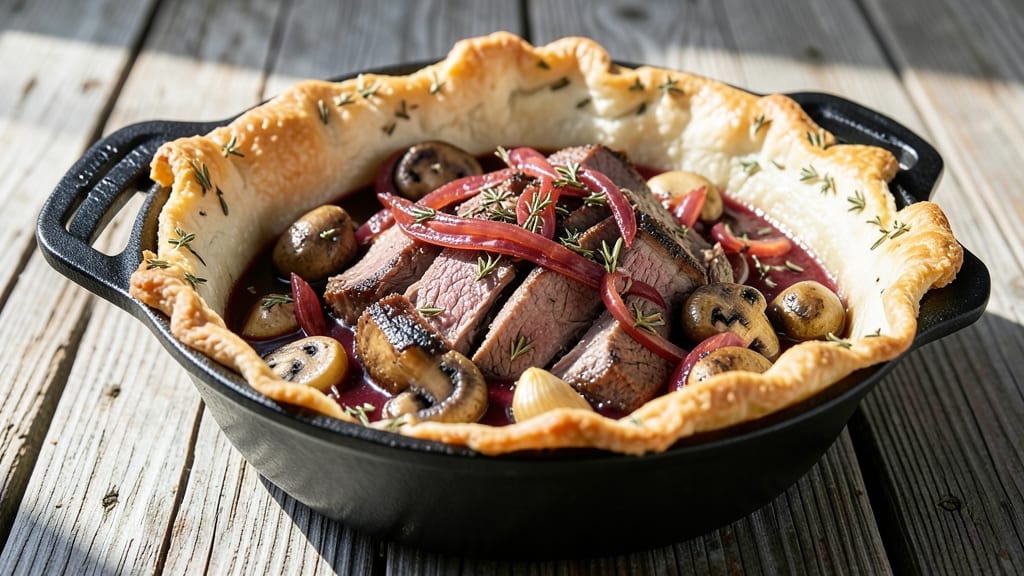
This prime rib pot pie recipe transforms a classic comfort dish into a luxurious centerpiece with tender, herb-infused meat and a flaky crust that rivals any bakery.
The secret lies in slow-roasting the prime rib until it falls apart, then layering it with vegetables and a rich gravy that soaks into every bite.
I developed this recipe after years of perfecting the balance between tender meat and crispy crust—it’s the kind of dish that feels indulgent yet delivers restaurant-quality results at home.
The process begins with searing the prime rib to lock in juices before slow-roasting it to perfectly tender slices. Meanwhile, the filling comes together with sautéed vegetables, a fragrant herb blend, and a velvety gravy that ties everything together.
The golden, buttery crust seals in all the flavors while adding a satisfying crunch. What makes this recipe special is how each component works in harmony—no one flavor overpowers the others.
By the time it emerges from the oven, you’ll have a pot pie with layers of tender prime rib, caramelized onions, and mushrooms, all blanketed in a rich gravy and topped with a crispy, golden crust.
The aroma alone will have everyone gathering around the table, and the first bite delivers on every promise—juicy meat, savory vegetables, and a crust that shatters just enough to let the flavors shine through.
Serve with a simple green salad or roasted potatoes to round out the meal. This pot pie is perfect for special occasions or when you want to impress without spending hours in the kitchen. Let’s get started—your dinner guests won’t believe it’s homemade.
Ingredients for prime rib pot pie
Prime rib pot pie starts with rich meat and fragrant herbs—just 14 ingredients for restaurant-quality flavor.
| Ingredient | Amount | Notes |
|---|---|---|
| Prime Rib Roast 🥩 | 3 lb | Bone-in, center-cut preferred |
| Yellow Onions 🧅 | 2 whole | Sliced into half-moons |
| Cremini Mushrooms 🍄 | 8 oz | Sliced into quarters |
| Garlic Cloves 🧄 | 6 cloves | Minced for depth of flavor |
| Fresh Thyme 🌿 | ¼ cup | Leaves only, stems removed |
| Fresh Rosemary 🌿 | ¼ cup | Needles only, finely chopped |
| All-Purpose Flour 🌾 | ½ cup | For gravy thickening |
| Beef Stock 💧 | 2 cups | Homemade or quality store-bought |
| Heavy Cream 🥛 | ½ cup | Full-fat for richness |
| Unsalted Butter 🧈 | ¾ cup | Cold, cubed for crust |
| Pie Crust 🍰 | 1 pre-made | Store-bought or homemade |
| Salt 🧂 | 1 ½ tsp | Kosher or sea salt |
| Black Pepper 🌶️ | 1 tsp | Freshly ground preferred |
| Olive Oil 🫒 | 2 tbsp | For searing vegetables |
The prime rib is the star, so bone-in, center-cut is key—it stays juicier. Most butchers will trim it for you, but if you're buying whole, ask for the ribeye side (less fat). I usually grab mine from Whole Foods or my local butcher shop—they know exactly what I need. Fresh thyme and rosemary? Trader Joe's sells them in little bags, but the farmers market has way more flavor. Look for stems that are green and firm, not woody or dried out. The mushrooms? Cremini hold their shape better than white mushrooms when cooking.
No fresh herbs? Dried thyme and rosemary at half the amount work in a pinch, but fresh is worth it. Running low on beef stock? Chicken stock plus 1 tbsp soy sauce gets you close. The pie crust can be homemade (I'll link my favorite recipe in the tips), but Pepperidge Farm or Store-Bought from the grocery store is totally fine—just make sure it's chilled before using. No need to thaw it if it's been in the fridge. The butter for the crust? Cold is crucial—cut it into small cubes and keep it in the freezer until you're ready to mix it with the flour.
This pot pie keeps beautifully—3-4 days in the fridge if you can resist eating it all. The crust stays crispy if you reheat it at 350°F for 15 minutes. I always make a double batch and freeze one—3 months in the freezer with no issues. Just thaw overnight in the fridge before reheating. The gravy gets even better the next day, so leftovers are a must. Serve with a simple salad to cut through the richness—trust me on that.
Why You'll Love This Recipe
- One-Pot Magic: That’s right—just one pot, no fuss. Sear the prime rib in the same Dutch oven where the onions and mushrooms caramelize, then pour in the broth and let it bubble. Honestly, I’ve made worse meals with more dishes.
- Rich, Deep Flavor: The prime rib adds a luxurious richness, while the mushrooms and thyme bring earthy depth. That first bite? It’s like a fancy steakhouse meal, but with the comfort of a home-cooked pot pie—crispy crust, tender meat, and a sauce that’s ridiculously flavorful.
- Weeknight or Weekend: Between us, this recipe works for both. Toss it together on a Tuesday night when you’re exhausted, or pull it out for a Sunday supper when you’re feeling fancy. The same ingredients just feel different depending on the occasion.
- Leftovers That Don’t Suck: Here’s what sold me—those leftovers are actually better the next day. The flavors meld even more, and the crust stays flaky. I’ve reheated mine three times, and no one’s ever complained. (Yes, even on a Tuesday night.)
Step-by-step instructions for prime rib pot pie
Here's how to turn your prime rib into a comforting, golden-crusted masterpiece.
Sear the Prime Rib and Sauté Vegetables
Preheat your oven to 375°F. Heat a large Dutch oven over medium-high heat and add 2 tablespoons olive oil. Pat the 3 lb prime rib roast dry with paper towels and season generously with 1.5 teaspoons salt and 1 teaspoon black pepper. Sear the roast on all sides until deeply browned, about 5 minutes per side. This step creates that rich, caramelized flavor that carries through the whole dish.
Remove the roast and set it aside. In the same pot, add 2 whole yellow onions sliced into half-moons and 8 oz cremini mushrooms sliced into quarters. Cook for 5-6 minutes until the onions soften and mushrooms release their moisture. Add 6 minced garlic cloves and cook for another 30 seconds until fragrant. Here's where the aromatics build—don't rush this part.
Build the Herb-Infused Gravy
Return the seared prime rib to the pot. Add 2 cups beef stock, scraping up any browned bits from the bottom. Bring to a gentle simmer, then reduce heat to low and let it cook uncovered for 1 hour. This slow cook allows the meat to become fork-tender while infusing the liquid with deep flavor. Check occasionally and add a splash of water if needed to keep it moist.
After 1 hour, remove the prime rib and shred it into bite-sized pieces using two forks. Return the meat to the pot. Stir in 0.25 cup fresh thyme leaves and 0.25 cup finely chopped fresh rosemary needles. Let the mixture simmer for another 10 minutes to meld all the flavors together. This is where that herb-infused aroma really comes alive.
Thicken and Finish the Filling
In a small bowl, whisk together 0.5 cup all-purpose flour and 0.75 cup cold unsalted butter until crumbly. Gradually whisk this mixture into the pot, stirring constantly to prevent lumps. Cook for 5-7 minutes until the gravy thickens to a smooth, velvety consistency. The filling should coat the back of a spoon but still be spoonable—not gluey.
Stir in 0.5 cup heavy cream and simmer for another 2 minutes. Taste and adjust seasoning with additional salt and pepper if needed. The filling should be rich, flavorful, and just thick enough to hold its shape. This is your sauce foundation—don't skimp on the butter or cream for that luxurious texture.
Assemble and Bake the Pot Pie
Roll out the 1 pre-made pie crust on a lightly floured surface to fit your Dutch oven. Carefully place it over the filling, pressing gently to seal the edges. Trim any excess dough and crimp the edges with a fork or your fingers. Cut a few small slits in the center to allow steam to escape—this prevents a soggy crust.
Bake for 30-35 minutes until the crust is golden brown and puffed. The filling should bubble gently through the slits. For extra crispiness, broil for 1-2 minutes at the end, watching closely to prevent burning. The contrast between the tender meat and flaky crust is what makes this dish special.
Rest and Serve
Let the pot pie rest for 10 minutes before serving. This resting time allows the filling to set slightly and the juices to redistribute, ensuring each bite is perfectly balanced. Serve warm with a side of roasted vegetables or a simple green salad to complement the rich flavors.
Here's the thing—this pie tastes even better the next day as the flavors meld further. The crust stays crispy, the meat stays tender, and that herb-infused gravy becomes even more complex. Leftovers reheat beautifully in the oven at 350°F for 15-20 minutes until warmed through.
Pro Tips For Making Prime Rib Pot Pie
- Sear the Rib First: Before you even think about the pot pie, hit that prime rib with a dry sear in a screaming-hot pan—no oil needed, just the fat rendering. I learned this the hard way: skipping the sear means flavor hiding in the sauce instead of singing in every bite. Two minutes per side, until it’s deep brown, then set it aside.
- Slice Mushrooms Thinly: Cremini mushrooms soak up liquid like sponges, so slice them paper-thin—about ⅛-inch or less. I used to chop them unevenly, and they’d turn to mush in the sauce. A sharp knife and quick strokes keep them tender but still hold their shape, adding texture to the pie filling.
- Deglaze with Red Wine: After browning onions and garlic, don’t just splash in broth—deglaze that pan with ½ cup red wine first. The alcohol burns off, leaving behind rich, caramelized depth that cuts through the richness of the prime rib. Skip this, and your sauce will taste flat, even if everything else is perfect.
- Rest the Meat Properly: Once the prime rib is cooked to your preferred doneness, tent it with foil and let it rest for at least 15 minutes before slicing. I know, you’re eager to plate it, but rushing means dry, stringy meat. The juices redistribute—that’s the difference between a pot pie that’s good and one that’s showstopping.
Wine and beer pairings for this prime rib pot pie
Red Wine Pairings
A bold Cabernet Sauvignon from Napa Valley is my go-to choice for this rich pot pie—its dark fruit notes and firm tannins stand up to the prime rib while complementing the herb-infused gravy. Look for a 2018 or newer vintage with 14-15% alcohol for balance.
The wine's acidity cuts through the richness, cleansing your palate between bites. I particularly love Caymus Vineyards or Opus One for their depth and complexity.
For a more budget-friendly option, a Malbec from Argentina offers similar richness with softer tannins. Try Catena Zapata—it's approachable yet sophisticated. Avoid heavy, oaky Chardonnays or light Pinot Noirs that would get lost in the dish's depth.
The key is matching the wine's structure to the pie's layers of flavor. 🍷
Beer Pairings
A Belgian Dubbel like Westmalle Tripel brings unexpected harmony with its caramel and spice notes. The beer's slight sweetness balances the savory gravy, while its effervescence refreshes your palate. For a more robust option, try a German Dunkelweizen—the banana and clove flavors complement the rosemary and thyme beautifully.
Both beers should be served slightly chilled (50-55°F) to enhance their aromatics.
If you prefer American craft beers, a Brown Ale with notes of chocolate and caramel works wonders. I recommend New Belgium Brown Ale—its malty sweetness mirrors the pie's richness without competing.
Avoid hoppy IPAs or bitter stouts that would overpower the dish's delicate herbaceousness. The goal is to let the pie's flavors shine while the beer enhances them.
After-Dinner Options
For a lighter finish, a Port wine like Taylor's Late Bottled Vintage offers a velvety texture and nutty flavors that pair beautifully with the pie's lingering herb notes. Sip it at room temperature after your meal to let the wine's complexity stand alone.
The wine's age and oxidation bring out subtle caramelized flavors that echo the pot pie's crust.
A Champagne or sparkling wine like Veuve Clicquot Brut can also work if you prefer something crisp and celebratory. The bubbles cleanse your palate, making each bite of the pot pie taste fresh.
Serve it well-chilled (45-50°F) to highlight its brightness. This pairing is perfect for special occasions when you want to elevate the dining experience. 🥂
Nutrition facts
Frequently asked questions
Can I make this pot pie ahead of time?
This pot pie actually tastes better the next day as flavors meld. Assemble it completely, then refrigerate for up to 24 hours before baking. For make-ahead convenience, prepare the filling (without the crust) and refrigerate for 1 day or freeze for 3 months. Just thaw overnight before adding the crust and baking.
What if I don't have a Dutch oven?
Use a deep oven-safe skillet or baking dish with high sides. For best results, choose one with a diameter of at least 9 inches to accommodate the filling. If your dish has low sides, press the crust edges firmly against the rim to create a seal. A deep cast iron skillet works beautifully too!
How do I keep the crust from getting soggy?
Prevent a soggy bottom by brushing the crust with a beaten egg wash before baking. For extra insurance, sprinkle dried breadcrumbs or crushed cornflakes on the bottom crust before adding the filling. Also, cut small steam vents in the top crust and avoid overfilling the pie—leave ½ inch headspace.
Can I substitute other meats?
While prime rib gives the best flavor, you can use beef short ribs (cooked until tender) or lamb shoulder for a similar rich profile. For chicken, use dark meat thighs and increase cooking time to 45 minutes. The herb blend and gravy technique will work with any meat, but the dish loses its signature richness without beef.
Why did my crust turn out pale?
A pale crust usually means it didn't get enough heat. Try broiling for 1-2 minutes at the end, or bake at 400°F for the last 5 minutes. Make sure your oven rack is in the middle position and your crust has room to puff. For extra color, brush with melted butter before baking. The filling should be bubbling hot when you put the crust on!