
Desserts
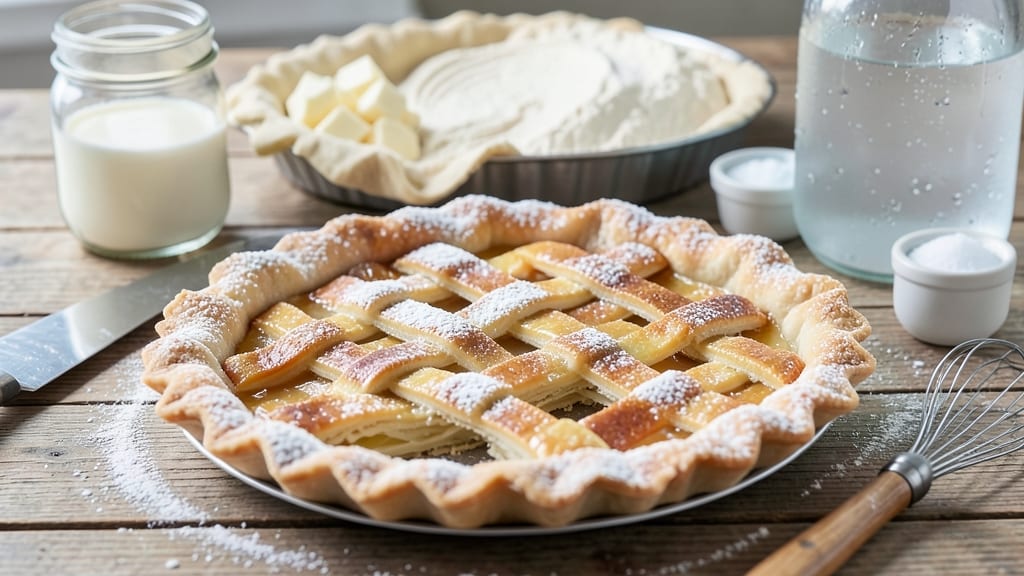
Ree Drummond’s pie crust recipe delivers the kind of flaky, golden perfection that makes every pie taste like it came straight from a Southern kitchen. ✨ After inheriting my grandmother’s recipe journal—filled with her cryptic notes about "cold butter and patience"—I finally cracked the code for a crust that stays tender through baking.
This isn’t just any crust; it’s the foundation for pies that hold their shape, crisp up beautifully, and melt in your mouth.
The secret lies in the technique: chilled butter cut into flour until the mixture resembles coarse crumbs, then shaped into a disc and rested before rolling. No food processor here—just a pastry cutter and steady hands.
Ree’s method ensures layers so delicate they’ll make you question whether you actually made it yourself. And the best part? It’s foolproof for beginners, though I’ll admit I’ve had my share of pie disasters (looking at you, that lopsided apple pie from college).
What you’ll end up with is a crust that’s buttery, crisp, and golden brown at the edges—no soggy bottoms or tough layers in sight. The key is baking it blind, then brushing the edges with egg wash before adding your filling.
This crust works for everything from classic chicken pot pie to rich pecan pie, and it’s sturdy enough to hold even the juiciest fillings without falling apart. Trust me, once you try this, store-bought crusts will never cut it again.
Pair it with your favorite filling and watch your kitchen fill with that unmistakable aroma of baking pie. Here’s how to make it—step by step, just like Ree would teach you.
Ingredients for ree drummond pie crust
Four simple ingredients transform into Ree Drummond’s legendary golden crust.
| Ingredient | Amount | Notes |
|---|---|---|
| All-Purpose Flour 🌾 | 2 ½ cups | Sifted for light texture |
| Unsalted Butter 🧈 | 1 cup | Cold, cubed into 1/2-inch pieces |
| Ice Water 💧 | ½ cup | Chilled, for binding |
| Diamond Crystal Kosher Salt 🧂 | 1 ½ tsp | Fine grain preferred |
| Large Eggs 🥚 | 1 whole | For egg wash |
| Granulated Sugar 🍚 | 1 tbsp | For egg wash |
| Freshly Ground Black Pepper 🌶️ | ¼ tsp | For egg wash |
The butter is non-negotiable here—European-style butter has more fat content, but any good unsalted butter works. Keep it cold until you cut it into the flour; that’s what creates those signature flaky layers. I grab mine from Whole Foods or Trader Joe’s—the kind that stays solid in the fridge. If your kitchen’s warm, pop the butter in the freezer for 10 minutes before starting. And no, that pre-cubed butter from the store won’t cut it here—you need to do it yourself for that perfect texture. Flour? King Arthur or Gold Medal are my go-tos, but any all-purpose works if it’s fresh.
No ice water? Freeze a small ice cube tray for 10 minutes to have it ready. Short on time? Cold sparkling water works in a pinch—just don’t use warm water. The salt matters too: Diamond Crystal dissolves better than table salt, but if that’s all you’ve got, use it. For the egg wash, pasteurized eggs are safer if you’re worried about raw egg risks. Want extra shine? Add a splash of heavy cream to the egg wash. The crust’s resting time is crucial—don’t skip it—or you’ll end up with a tough, chewy mess instead of those delicate layers.
Wrapped tightly in plastic, this crust keeps in the fridge for up to 3 days. For longer storage, freeze it between parchment paper for up to 3 months. Thaw overnight in the fridge before using. I always make two crusts at once—one for the pie, one for a hand pie later in the week. The secret to reheating? Brush with egg wash and bake at 375°F for 8-10 minutes to revive that golden crust. Leftovers? Crumble and bake into a crispy topping for casseroles—trust me, it’s magic.
Why You'll Love This Recipe
- Two Ingredients, Big Payoff: Honestly, this crust uses just flour, butter, and water—no fancy add-ins. That butter cuts into the dough like magic, and the ice water keeps it from getting sticky while mixing.
- Golden Crust, Zero Guilt: The egg wash makes it so crispy and golden, but here’s the kicker: it’s not greasy. That kosher salt? It balances the richness perfectly, so every bite feels indulgent without being heavy.
- Weeknight to Holiday: Between us, I’ve used this crust for apple pies, savory galettes, and even a quiche. It’s my go-to because it holds up whether it’s a quick dinner or the centerpiece of Thanksgiving.
Step-by-step instructions for Ree Drummond's pie crust
Here's how to make Ree Drummond's legendary pie crust—flaky, golden, and sturdy enough to hold any filling.
👨🍳 Step 1: Cut and Mix the Cold Butter and Flour
Place the 1 cup cold, cubed unsalted butter (about ½-inch pieces) in the center of the 2.5 cups sifted all-purpose flour in a large bowl. I like to use my fingers to spread the butter cubes evenly throughout the flour—this ensures even distribution and prevents big butter pockets later.
Add the 1.5 teaspoons diamond crystal kosher salt and gently toss everything together with a pastry cutter, two forks, or your fingers until the mixture resembles coarse crumbs with pea-sized butter pieces. Don't overwork it—you want to keep those butter pieces cold and intact. The goal is to coat the flour evenly without melting the butter.
🥘 Step 2: Add Ice Water Gradually Until Dough Forms
Add the 0.5 cup ice water, 1 tablespoon at a time, using a small measuring cup or spoon. Sprinkle it over the flour-butter mixture while gently stirring with a fork or your fingers. After each addition, mix just until the water disappears—you'll know it's working when the dough starts to clump together.
Stop adding water when the dough just comes together when pressed. It should hold its shape when you squeeze a handful but still feel slightly crumbly. If it's too dry, add another ½ teaspoon of water. The dough should be cold to the touch—warm dough means butter melting and a tough crust. Wrap the dough in plastic wrap and refrigerate for at least 1 hour (or up to 2 days) to fully chill.
🔥 Step 3: Roll Out and Transfer to Pie Dish
On a lightly floured surface, unwrap the chilled dough and gently pat it into a 12-inch circle. I like to use my hands to center it, then roll it out evenly using a rolling pin, keeping it ¼-inch thick throughout. Rotate the dough and lift it occasionally to prevent sticking.
Carefully transfer the rolled-out dough to a 9-inch pie dish, letting it drape over the edges. Gently press it into the bottom and up the sides, trimming any excess dough that hangs over the edge with kitchen shears. The crust should be even and smooth—no thick spots that will burn before the filling cooks.
🍳 Step 4: Create the Egg Wash for Golden Perfection
In a small bowl, whisk together the 1 whole large egg, 1 tablespoon granulated sugar, and ¼ teaspoon freshly ground black pepper. This might seem unusual, but the sugar and pepper add subtle sweetness and warmth to the crust's flavor. Brush this mixture evenly over the crust, including the sides, leaving about ½-inch uncovered at the top edge.
Here's the thing—this egg wash isn't just for looks. The sugar caramelizes during baking, creating that beautiful golden color and adding a delicate crunch. The pepper adds a subtle kick that balances the buttery richness. Preheat your oven to 375°F while you prepare your filling—this crust is ready to be filled and baked immediately.
Pro Tips For Making Ree Drummond Pie Crust
- Cut Butter Cold: Pull the unsalted butter straight from the fridge—no softening, no exceptions. I used to take it out 10 minutes early, thinking it’d mix easier, but the dough turns gummy and fights you. Cold butter creates flaky layers; trust the process, even if your hands get tired.
- Measure Salt Precisely: Diamond Crystal kosher salt is not the same as table salt—use the recipe’s exact amount (usually 1 tsp per 2 cups flour). I learned this after tasting a crust that was either bland or harshly salty. Weigh it if you’re unsure; your taste buds will notice.
- Avoid Overworking Dough: Mix just until the flour is barely incorporated—no more. Every extra fold or press you add develops gluten, and that means a tough, chewy crust instead of the tender, melt-in-your-mouth texture you want. Stop when it looks shaggy, not smooth.
- Chill Between Rolls: After the first rest, roll out the dough once, then wrap it tightly and refrigerate for 30 minutes. I skipped this once and ended up with a crust that shrunk like a sad balloon in the oven. Cold dough handles better and stays together during baking.
Wine and beer pairings for ree drummond pie crust
Sweet Wines
Ree Drummond’s buttery crust pairs beautifully with sweet wines that complement its golden richness. A glass of Moscato d'Asti from Italy—light, fizzy, and just slightly sweet—cuts through the buttery layers while enhancing the crust’s caramelized edges.
I keep a bottle of Barefoot Moscato in my fridge for lazy afternoons when I’m baking pies. For something more robust, try a Sauternes from Bordeaux—its honeyed notes mirror the crust’s sugar caramelization. 🍷
Dessert Reds
If you prefer red wine, go for Port or Ruby Port—their deep, fruity flavors stand up to the crust’s buttery depth. A tawny port adds a nutty complexity that pairs wonderfully with pecan or chocolate cream pies.
I’ve also found that Zinfandel (especially a California variety) works surprisingly well, especially if it’s slightly sweet. Avoid dry reds—they’ll clash with the crust’s richness.
Beer Pairings
For beer lovers, a Belgian witbier like Hoegaarden is my go-to—its coriander and citrus notes refresh the palate after each bite of buttery crust. A honey ale (like Allagash Honey Brown) adds a subtle sweetness that complements the crust’s caramelized edges.
If you’re serving a savory pie (like chicken pot pie), a Belgian dubbel with its malty sweetness works beautifully. 🍺
Coffee & After-Dinner
No pie is complete without coffee, and this crust deserves the best. A dark roast with chocolate notes (like Peet’s Major Dickason’s Blend) enhances the crust’s buttery richness.
For after-dinner sipping, try a sweet vermouth like Carpano Antica Formula—its herbal sweetness pairs surprisingly well with the crust’s golden edges. I also love a small glass of Amaretto (sipped neat) to highlight the crust’s subtle almond undertones.
Unexpected Twists
Want to get creative? A sparkling cider like Martinelli’s adds a crisp, refreshing contrast to the crust’s richness. For something truly unique, try a sweet Riesling—its acidity balances the buttery layers while its sweetness complements the crust’s caramelized sugar.
I once paired this crust with a peach schnapps cocktail and was surprised by how well the fruity notes worked with the pie’s golden edges. 💫
Nutrition facts
Frequently asked questions
Why does Ree Drummond's crust need to rest in the fridge?
The 1-hour rest is critical for two reasons: first, it keeps the butter cold so it doesn't melt during baking, and second, it relaxes the gluten in the flour. This prevents the crust from shrinking or cracking when it hits the oven. I learned this the hard way when my first attempt puffed up like a sad soufflé!
Can I make this crust ahead of time?
Wrap the shaped dough in plastic and refrigerate for up to 2 days or freeze it for 3 months. Thaw in the fridge overnight before using. Pro tip: I always make two crusts at once—one for the main pie and one for a quick hand pie later in the week. The frozen dough is a lifesaver for busy days.
What if my dough gets too sticky?
If the dough feels too wet, add 1 tablespoon more flour at a time until it holds together. The key is to work quickly with cold ingredients—never warm hands! If it's already too sticky, sprinkle extra flour on your work surface and gently knead just enough to bring it together. Remember, the dough should be cold to the touch, not warm.
How do I fix a cracked crust?
Don't panic! Cracks are normal when baking pies. Brush the cracks with egg wash and bake as usual—they'll become part of the crust's character. For a perfect finish, press the cracks down gently with your fingers before baking. If the cracks are deep, you can even fill them with a little extra dough or butter. Every crack tells a story about your baking journey!
Can I use this crust for savory pies too?
This crust works beautifully for savory pies like chicken pot pie or quiche! Just skip the sugar in the egg wash and add a pinch of garlic powder or dried herbs instead. The buttery layers stay crisp even with wet fillings. I've made this crust for everything from shepherd's pie to ham and cheese pies—it's that versatile!