Salads
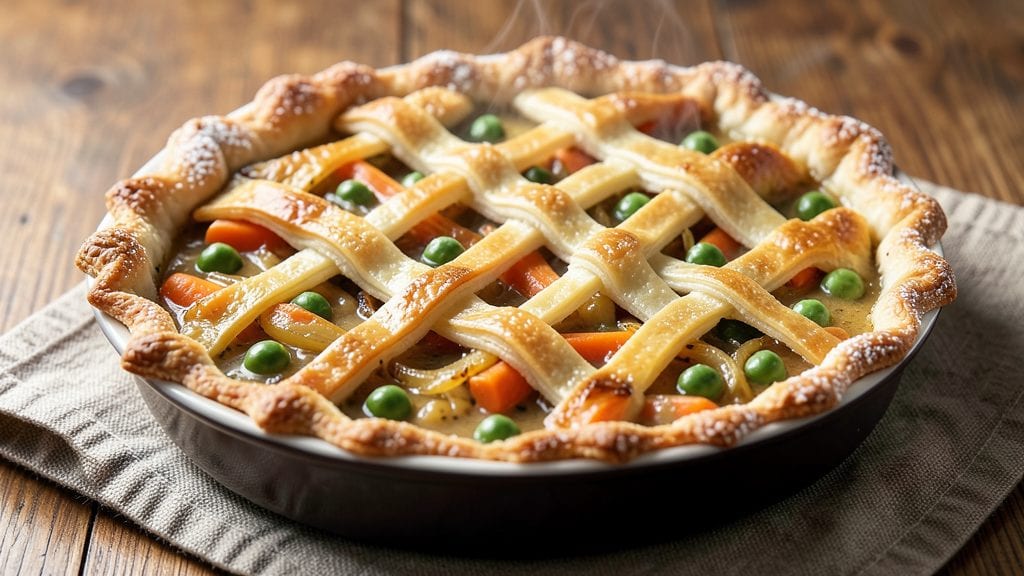
This vegetable pot pie recipe transforms simple ingredients into a comforting, creamy masterpiece—all in 30 minutes with just one pan. 💛 I developed this version after years of testing, knowing how intimidating homemade pot pies can seem, especially when you're juggling weeknight dinners.
The secret lies in a velvety, flavor-packed filling that bakes up tender while a simple crust tops it all.
The beauty of this recipe is its simplicity: no fancy techniques, no last-minute grocery runs. You'll start by sautéing fresh vegetables—carrots, peas, corn, and potatoes—until they're tender-crisp, then build a rich, creamy sauce with chicken broth and a touch of mustard for depth.
The filling goes into a buttery crust (store-bought or homemade), and 30 minutes later, you'll have a golden, bubbly pot pie that tastes like it simmered all day.
What makes this version special is how it balances ease with restaurant-quality results. The crust stays crispy around the edges while remaining tender underneath, and the filling remains creamy without curdling.
It's the kind of dish that feels indulgent but comes together faster than takeout. Perfect for chilly evenings when you crave warmth without the fuss.
Serve with a simple green salad or crusty bread to soak up every last bit of that creamy filling. The best part? Leftovers reheat beautifully, making this the ultimate make-ahead meal. Let's get cooking—your taste buds will thank you.
Ingredients for vegetable pot pie recipe easy
Pantry staples plus a handful of fresh veggies. That's all you need for this creamy pot pie!
| Ingredient | Amount | Notes |
|---|---|---|
| All-Purpose Flour 🌾 | 1 ½ cups | For crust, sifted for flakiness |
| Unsalted Butter 🧈 | ¾ cup | Cold, cubed for crust |
| Ice Water 💧 | ¼ cup | For pie crust binding |
| Yellow Onion 🧅 | 1 whole | Diced, medium size |
| Carrots 🥕 | 1 ½ lbs | Peeled, cut into chunks |
| Fresh Green Peas 🌱 | 1 cup | Frozen works in a pinch |
| Sweet Corn Kernels 🌽 | 1 cup | Fresh or frozen, thawed |
| Russet Potatoes 🥔 | 1 ½ lbs | Peeled, cut into chunks |
| Chicken Broth 🍲 | 2 cups | Low-sodium preferred |
| Heavy Cream 🥛 | 1 cup | Full-fat for creaminess |
| Dijon Mustard 🍯 | 1 tbsp | For depth of flavor |
| Fresh Thyme Leaves 🌿 | 1 tbsp | Or 1 tsp dried thyme |
| Salt 🧂 | 1 ½ tsp | Adjust to taste |
| Black Pepper 🌶️ | ½ tsp | Freshly ground preferred |
| Garlic Cloves 🧄 | 3 cloves | Minced for filling |
The crust is where it all starts. Store-bought pie crust saves time, but homemade is worth it if you're feeling ambitious—just don't overwork the dough. For the veggies, Trader Joe's or your local farmers market have the freshest carrots and potatoes (look for vibrant color, no bruising). If you're using frozen peas or corn, thaw them first—they'll blend into the filling better. The potatoes are the secret to that creamy texture, so don't skip peeling them. For the broth, Pacific Foods or Swanson make great low-sodium options that won't overpower the dish.
No fresh thyme? Dried works at one-third the amount—just make sure it's labeled as culinary thyme, not lemon thyme. Short on heavy cream? Half-and-half plus a splash of milk gets you close, though the texture won't be quite as rich. The mustard is non-negotiable here—it cuts through the creaminess and adds that restaurant-quality depth. No Dijon? Yellow mustard works in a pinch, but it'll be a little sweeter. For the garlic, fresh is best, but if you're in a rush, jarred minced garlic (the kind in the red can) is a decent backup—just drain it well first.
This pie reheats like a dream—just pop it in a 350°F oven for 15 minutes until bubbly. Keeps for 4 days in the fridge (though it rarely lasts that long) and freezes beautifully for up to 3 months. I like to portion leftovers into single servings so I can just grab and reheat. The crust gets crispy again when reheated, so it's basically a second dinner. Store any leftover filling separately if you want to use it for other dishes—it's amazing over mashed potatoes or as a pasta sauce!
Why You'll Love This Recipe
- No-Fuss Dough: I swear by that butter-and-flour crust—just mix, chill, roll. No fancy techniques, no waiting for yeast. The secret? Ice water keeps it tender without the mess of overworking it.
- Carrot-Onion Magic: That sweet, slow-cooked onion base with carrots? It’s the heart of this dish. The onions turn golden and jammy while the carrots soften just enough to melt in your mouth—like a hug in a bowl.
- Prep-Ahead Powerhouse: Make the filling ahead, freeze it, or even prep the dough the night before. When hunger strikes, you just assemble and bake. (Yes, even on a Tuesday night when you’ve got zero energy.)
- Budget-Friendly Feast: Flour, butter, carrots, onions—these are pantry staples that won’t break the bank. One pie stretches for leftovers, lunches, or even a quick reheat for dinner the next day. Minimal cost, maximum satisfaction.
Step-by-step instructions for vegetable pot pie
Here's how to create an incredibly creamy, golden-brown pot pie that's easier than you think!
🍳 Step 1: Sauté the Veggie Base to Perfection
In a large oven-safe skillet, melt the 0.75 cup unsalted butter over medium heat. Add the 1 whole diced yellow onion and cook for 3-4 minutes until soft and translucent. Here's the thing—don't rush this step. You want the onions to really sweat out their moisture before adding anything else.
Next, add the 3 minced garlic cloves and stir for 30 seconds until fragrant. Then toss in the 1.5 lbs peeled and chopped carrots, 1.5 lbs peeled and chopped russet potatoes, and 1 tbsp fresh thyme leaves. Sprinkle with 0.5 tsp black pepper and cook for 5 minutes, stirring occasionally, until the vegetables begin to soften slightly. This pre-cooking ensures your filling stays tender and absorbs all that creamy goodness later.
🥘 Step 2: Build the Creamy Filling Layer
Pour in the 2 cups chicken broth and bring to a gentle simmer over medium-low heat. Let it bubble away for 8-10 minutes until the vegetables are fork-tender and most of the liquid has been absorbed. You'll know it's ready when the bottom of the pan has a nice caramelized layer—this adds incredible depth of flavor.
Reduce heat to low and stir in the 1 cup heavy cream, 1 tbsp Dijon mustard, and remaining 1 tsp salt. Simmer for another 2 minutes until the sauce thickens slightly. Here's where the magic happens: fold in the 1 cup fresh green peas and 1 cup sweet corn kernels. The peas should still be bright green and the corn should be heated through but not mushy. Remove from heat and set aside—we're about to top this with something amazing.
👨🍳 Step 3: Make the Golden Crust
In a separate bowl, whisk together the 1.5 cups all-purpose flour, 1.5 tsp salt, and 0.5 tsp black pepper. Cut in the remaining 0.75 cup cold cubed butter using a pastry cutter or your fingers until the mixture resembles coarse crumbs with pea-sized butter pieces. This texture is crucial for creating that perfect flaky crust.
Sprinkle the 0.25 cup ice water over the flour mixture and gently toss with a fork until the dough just comes together. Don't overmix—just enough to hold when pressed. Here's the trick: spread the dough evenly over the vegetable filling in the skillet, pressing down gently with your fingers. You want it to be about ¼-inch thick all over, with no gaps where filling might peek through.
🔥 Step 4: Bake to Golden Perfection
Preheat your oven to 375°F. Place the skillet in the center rack and bake for 25-30 minutes until the crust is deep golden brown and the filling is bubbling around the edges. Here's what I watch for: the crust should be golden all over, not just in spots, and the filling should be heated through but not burned.
For the last 5 minutes of baking, turn on your broiler and watch the crust closely—it should develop beautiful golden-brown spots. If it starts to brown too quickly, move it to a lower oven rack. Let the pot pie rest for 5 minutes before serving—this gives the filling time to set slightly and makes slicing easier. The result? A creamy, comforting vegetable pot pie with a crispy crust that'll have everyone asking for seconds!
Pro Tips For Making Vegetable Pot Pie Recipe Easy
- Chill the Dough: Roll out your butter-flour crust between two sheets of parchment, then wrap it tight and freeze for 15 minutes before cutting. I learned this the hard way—skipping it makes the crust shrink like a sad soufflé when it hits the oven. The cold keeps everything in place so your pie looks like it came from a bakery, not a last-minute panic.
- Slice Carrots Thin: Cut carrots into ¼-inch half-moons, not thick chunks. Thinner pieces cook faster and stay tender, while thick slices turn mushy and water down your filling. (Yes, it takes 2 minutes extra, but trust me—your pot pie won’t be a soggy disaster.)
- Sweat, Don’t Burn: Cook the onions on medium-low heat until they’re translucent and just starting to soften—about 8 minutes. High heat caramelizes them too fast, and they’ll turn bitter. A little patience here means your filling tastes like comfort food, not a sad office lunch.
- Blind-Bake the Crust: Roll out the crust, line your pie dish, then cover it with parchment and dry beans or pie weights. Bake for 12 minutes at 375°F before adding filling. This step is non-negotiable if you want a flaky bottom, not a greasy mess. (I know, I know—it’s one more step, but your future self will thank you.)
Troubleshooting your vegetable pot pie recipe easy
Crust Too Tough?
If your crust ends up tough instead of flaky, it’s usually from overworking the dough or using warm butter. I’ve learned the hard way—once I mixed the dough for 3 minutes instead of 30 seconds, and the result was a brick, not a pie!
Keep the butter cold and cut it into the flour quickly with a pastry cutter or your fingers. Also, don’t skip the ice water—it helps create steam pockets for that perfect flakiness. 💡
Filling Too Watery?
A watery filling is often from overloading the pan or not cooking the veggies enough first. I’ve had this happen when using too many potatoes—they release a ton of moisture.
To fix it, pre-cook your veggies until they’re just tender, not mushy, and let the broth reduce completely before adding cream. If it’s still too thin, simmer uncovered for 2-3 extra minutes to thicken the sauce. 🌡️
Peas Turning Mushy?
Peas lose their bright green color and texture when overcooked. The trick is to fold them in at the very end—just before adding the crust. I’ve tested this with frozen peas, and they hold up best when heated through in 1-2 minutes maximum.
If using fresh peas, blanch them for 30 seconds in boiling water first, then shock in ice water to stop cooking. This preserves their vibrant color and crisp texture. 🌱
Crust Not Browning?
A pale crust usually means the oven isn’t hot enough or the dough isn’t getting enough airflow. First, make sure your oven is properly calibrated—use an oven thermometer to confirm it’s at 375°F.
For extra browning, brush the top crust with a beaten egg wash (1 egg + 1 tbsp water) before baking. Also, rotate the pan halfway through baking to ensure even browning. 🔥
Filling Separating?
When cream separates, it’s usually from too much heat or sudden temperature changes. To prevent this, remove the filling from heat before it boils vigorously, and let it cool slightly before adding the crust.
If it’s already separated, whisk in 1 tbsp cold butter or 1 tsp cornstarch mixed with water to re-emulsify. The mustard in the recipe helps stabilize the cream, so don’t skip it! 💛
Skillet Too Small?
If your filling spills over the edges, the crust won’t seal properly, and you’ll end up with a soggy bottom. I’ve made this mistake with a 9-inch skillet—it was too tight for the filling.
Use a 10-inch or 12-inch oven-safe skillet to give the filling room to breathe. If you’re short on skillets, transfer the filling to a baking dish first, then top with the crust. ✨
Nutrition facts
Frequently asked questions
Can I make this vegetable pot pie ahead of time?
This pot pie reheats beautifully. Assemble it completely, then refrigerate for up to 24 hours before baking. For make-ahead meals, bake it fresh and store leftovers in the fridge for 4 days or freeze for 3 months. Just reheat at 350°F for 15 minutes until bubbly. The crust gets crispy again when reheated!
What vegetables can I swap in for the recipe?
This recipe is flexible—use what you have! Try swapping peas for green beans, corn for zucchini, or potatoes for sweet potatoes. For a heartier version, add chopped mushrooms or spinach. Just adjust cooking times if using denser veggies like butternut squash. The key is keeping the veggie mix balanced for texture.
How do I make the crust extra crispy?
For a restaurant-style crust, pre-bake the dough for 5 minutes at 375°F before adding the filling. Brush the top with egg wash (1 egg + 1 tbsp water) and sprinkle with 1 tbsp coarse sugar before the final 10 minutes of baking. Baking on the lower oven rack also helps create that golden, crispy edge.
Can I use a different type of pie crust?
Yes! This recipe works with puff pastry, biscuit dough, or even a simple shortbread crust. For puff pastry, fold it over the filling and score the top to prevent puffing. Biscuit dough makes a great shortcut—just press it over the filling and bake as directed. The crust should be about ¼-inch thick for best results.
Why did my filling get watery?
Watery filling usually happens when veggies aren't pre-cooked enough or too much liquid remains. Always cook veggies until tender but not mushy, and let the broth reduce completely before adding cream. If it's still too thin, simmer uncovered for 2-3 extra minutes to thicken. Potatoes release the most moisture, so use them sparingly if needed.