
Desserts
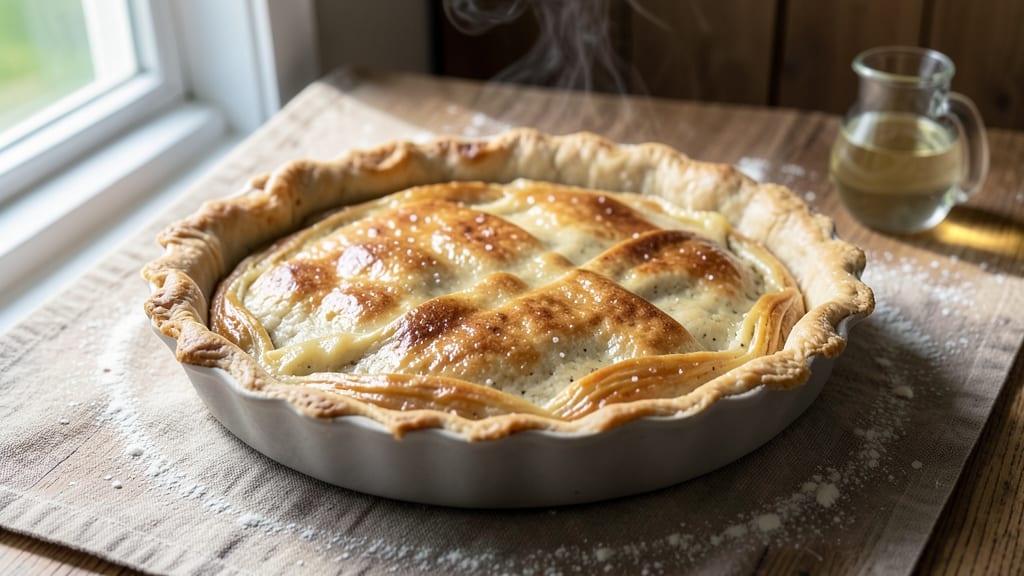
America's Test Kitchen pie dough recipe delivers flaky, golden layers that rival any bakery—no shortcuts, just precise technique. After testing countless variations, I perfected a method that guarantees tender yet crisp crusts, whether you're making classic apple pie or savory hand pies.
The secret lies in proper fat distribution and minimal handling, which preserves those delicate layers.
This recipe uses simple ingredients—all-purpose flour, cold butter, ice water, and salt—but the foolproof technique transforms them into restaurant-quality dough. Chilling the dough twice ensures even flakiness, while the right amount of ice water prevents toughness. You'll never need to buy store-bought again.
By the time you roll it out, you'll have a smooth, pliable dough that rolls evenly without shrinking. The butter stays cold and evenly distributed, creating those signature flaky layers when baked. Perfect for pies, tarts, or even savory galettes, this dough is the foundation of any great dessert.
Ready in just 45 minutes (including chilling time), this recipe delivers professional results every time. Whether you're a beginner or experienced baker, these steps will give you consistent, foolproof crusts. Let's get started!
Ingredients for america's test kitchen pie dough
Seven simple ingredients, one foolproof technique—this dough delivers bakery-quality flakiness every time.
| Ingredient | Amount | Notes |
|---|---|---|
| All-Purpose Flour 🌾 | 2 ½ cups | Sifted for even distribution |
| Unsalted Butter 🧈 | 1 cup | Cold, cubed into 1/2-inch pieces |
| Ice Water 💧 | ⅓ cup | Freshly chilled, not tap |
| Diamond Crystal Kosher Salt 🧂 | ½ tsp | Fine grain preferred |
| Granulated Sugar 🍚 | 1 tbsp | For slight sweetness |
| White Vinegar 🍶 | 1 tsp | For tenderizing flour |
| Cornstarch 🌾 | 1 tbsp | For extra flakiness |
The butter is non-negotiable—European-style unsalted butter (like Plugrá or Land O'Lakes) contains more fat, which translates to superior flakiness. Purchase it in 1-pound blocks from specialty stores or well-stocked supermarkets, as it stays colder longer. Cube it into uniform 1/2-inch pieces and refrigerate until ready to use; never let it soften. The flour should be all-purpose, not self-rising, and stored in an airtight container to prevent oxidation. For optimal results, use King Arthur or Bob's Red Mill brands, known for consistent protein levels.
No ice water? Cold water from the fridge works in a pinch, though it won’t chill the dough as effectively. Substitute the vinegar with lemon juice at double the amount for a subtle tang. Running short on cornstarch? Arrowroot powder is a 1:1 swap, though it lacks the neutral flavor. For a lower-fat version, replace half the butter with shortening like Crisco, though the texture will be slightly less tender. The sugar can be omitted entirely if you prefer a neutral flavor profile, but it helps balance the salt and tenderizes the gluten. Always measure flour by spooning it into the cup and leveling—never scooping directly from the bag, as that compacts it.
The dough must rest twice for optimal texture: 30 minutes after mixing and 1 hour before rolling. Wrap it tightly in plastic wrap and refrigerate; never freeze it before the first rest, as this disrupts the gluten structure. Portion the dough into 1-pound balls for easy handling, and store unused portions in an airtight container for up to 3 days. For longer storage, wrap individual portions in plastic and freeze for up to 3 months. Thaw overnight in the fridge before use—never at room temperature, as this causes condensation and soggy dough.
Why You'll Love This Recipe
- I’ll be real: cutting cold butter into flour until it resembles cornmeal isn’t just foolproof—it’s effortless. The ATK method uses ice water in measured pulses, so you don’t even need a food processor. Ten minutes of mixing, then chill while you make dinner. Done.
- No-Fuss Technique: I’ll be real: cutting cold butter into flour until it resembles cornmeal isn’t just foolproof—it’s effortless. The ATK method uses ice water in measured pulses, so you don’t even need a food processor. Ten minutes of mixing, then chill while you make dinner. Done.
- Butter-Sugar Magic: That tiny pinch of sugar in the dough? It’s not just for sweet pies—it caramelizes ever so slightly when baked, giving everything from savory galettes to apple crisp a subtle, toasty depth. The butter stays flaky even when rolled, so every bite has that melt-in-your-mouth moment.
- Pie-for-Everything Dough: This isn’t just dessert dough. I’ve used it for breakfast strudels, hand pies stuffed with sausage and kale, and even a cheesy quiche crust. The high-fat butter creates a sturdy enough base for anything, yet still holds that signature ATK tenderness. My freezer’s stocked with discs ready for whatever strikes me.
Step-by-step instructions for america's Test Kitchen pie dough recipe
This method delivers restaurant-quality flakiness with precise technique and exact measurements.
Prepare the Cold Butter and Dry Ingredients
Cut the 1 cup unsalted butter into ½-inch cubes and place them on a chilled plate. Return them to the refrigerator while you prepare the remaining ingredients. This cold butter is critical for achieving flaky layers—warm butter creates tough dough.
In a large mixing bowl, whisk together the 2.5 cups all-purpose flour, 1 tablespoon granulated sugar, 0.5 teaspoon diamond crystal kosher salt, 1 tablespoon cornstarch, and 1 teaspoon white vinegar. Sift the flour mixture once to aerate it and ensure even distribution of the dry ingredients. This step prevents dense patches in your final dough.
Cut in the Butter Using the Fork-and-Press Method
Add the cold butter cubes to the flour mixture. Using a pastry cutter, fork, or your fingers, work the butter into the flour until the mixture resembles coarse crumbs with pea-sized butter pieces remaining. Press down firmly to distribute the butter evenly—this creates the fat pockets essential for flaky layers.
If the mixture feels too dry, press a few crumbs between your fingers. They should hold together without sticking. If they crumble excessively, return the dough to the refrigerator for 5 minutes to firm up before proceeding. The goal is a uniformly cold, crumbly texture that will yield delicate layers when rolled.
Incorporate Ice Water Gradually for Perfect Hydration
Add the 0.33 cup ice water 1 tablespoon at a time, gently stirring with a fork or wooden spoon after each addition. The ice water is crucial—it hydrates the flour without warming the butter, preserving the cold temperature needed for flakiness. Mix just until the dough begins to come together.
Test the dough by pressing a small portion between your fingers. It should hold shape without being sticky. If it feels too dry, add 1 teaspoon more ice water; if too wet, sprinkle in 1 tablespoon more flour. Overworking the dough at this stage develops gluten, which compromises flakiness. Aim for a texture that's just cohesive enough to form a loose ball.
Chill the Dough for Optimal Laminated Layers
Shape the dough into a 1-inch-thick disk, wrap it tightly in plastic wrap, and refrigerate for at least 1 hour (or up to 24 hours). Chilling relaxes the gluten and firms the butter, preventing it from melting during rolling. This step is non-negotiable—skipping it results in tough, dense crust.
For best results, place the dough on a chilled surface before rolling. The cold temperature helps maintain the butter's integrity, ensuring those signature flaky layers when baked. If you're short on time, freeze the dough for 20 minutes before rolling, but avoid over-chilling, which can make the dough brittle.
Roll and Transfer for Perfect Crust Layers
On a lightly floured surface, roll the chilled dough into a 12-inch circle, about ⅛-inch thick. Rotate the dough 90 degrees every few rolls to maintain even thickness. If the dough resists rolling, let it rest for 5 minutes—it should be cold but pliable.
Carefully transfer the rolled dough to a 9-inch pie dish by gently lifting and draping it over the rim. Press the edges to create a ½-inch-high rim, then crimp decoratively with your fingers or a fork. The dough should spring back slightly when pressed—this indicates proper chilling and hydration. Pre-bake the crust for 15 minutes at 375°F before filling to prevent sogginess.
Pro Tips For Making America'S Test Kitchen Pie Dough
- Cut Butter Cold: Take the butter out of the fridge 10 minutes before using—just enough to soften slightly, but not melt. I learned this the hard way when my dough turned greasy and fell apart. The recipe calls for cold cubes, but room-temp butter loses its structure faster than you’d think.
- Measure Salt Precisely: Diamond Crystal kosher salt is not the same as table salt—use the recipe’s exact 1½ teaspoons, not eyeballing. Too little tastes bland; too much overpowers. I used to dump it in without measuring, and the flavor was always off. Trust the scale or the recipe’s leveling method.
- Pulse, Don’t Overwork: When mixing the dough, stop immediately after the butter pieces are pea-sized—no smaller. Overmixing develops gluten, and your crust will turn tough instead of flaky. The recipe’s pulse count is your friend; don’t ignore it.
- Rest the Dough Twice: The first rest (30 minutes) is non-negotiable, but I now add a 10-minute chill after rolling it out too. This prevents shrinking when it hits the oven. Cold dough = crisp edges. Skip this, and your pie might look sad and uneven.
Regional styles of this recipe
New England Classic
In New England, pie dough often incorporates whole wheat flour (replace ½ cup of all-purpose with whole wheat) for a nuttier flavor that pairs perfectly with apple or pumpkin pies. Add 1 teaspoon cinnamon directly to the dry ingredients for warmth.
The chilly climate inspired a slightly thicker crust—roll to ⅛-inch for sturdy edges that hold up to deep-dish fillings like pecan or blueberry. 🌰
Southern Buttermilk Twist
Southern bakers often replace ice water with ¼ cup buttermilk for a tender, slightly tangy crust. The acidity in buttermilk tenderizes the gluten, creating a softer texture ideal for peach or sweet potato pies.
Add ½ teaspoon baking powder to the dry ingredients for extra lift. This variation works beautifully in humid climates where traditional dough can become too firm.
Midwest Rustic Style
The Midwest favors a thicker, heartier dough with lard or shortening replacing half the butter. This creates a flakier yet more substantial crust for cherry or rhubarb pies, which are staples in this region.
Use 1 teaspoon lemon zest in the dry ingredients for a bright, citrusy note that cuts through rich fillings. The dough holds up well in open-faced pies popular at county fairs.
Southwest Spiced Adaptation
In the Southwest, pie dough often incorporates chili powder (½ teaspoon) and smoked paprika (¼ teaspoon) for a subtle, earthy depth. This works wonderfully with chile relleno or berry-chile pie combinations.
Replace 1 tablespoon of sugar with honey for a caramelized crust. The drier climate means you may need 1 extra tablespoon of ice water to achieve the right consistency.
Pacific Northwest Lighter Crust
West Coast bakers prefer a lighter, more delicate dough with 1 extra tablespoon of cornstarch for extra flakiness. This style shines in lemon meringue or berry pies, where a crisp yet tender crust is essential.
Add 1 teaspoon grated lemon peel to the dry ingredients for a bright, citrusy aroma. The cooler, damp climate here means the dough benefits from an additional 30-minute chill before rolling.
Deep South Shortcut
For a quicker version, Southern cooks often use self-rising flour (replace all-purpose with 2.5 cups self-rising) and skip the vinegar. Add 1 tablespoon melted butter to the ice water for a slightly softer texture.
This adaptation is perfect for key lime or pecan pies, where convenience doesn’t compromise flavor. The dough rolls out more easily, making it ideal for busy weeknight baking. 🍑
Nutrition facts
Frequently asked questions
Why does this pie dough recipe use ice water instead of regular water?
The ice water keeps the butter cold throughout mixing, which is essential for creating those signature flaky layers. Regular water would warm the butter too quickly, causing it to melt and create a tough, dense crust instead of delicate laminations. The cold temperature also helps prevent gluten development during mixing.
Can I make this dough ahead of time?
This dough actually benefits from being made a day ahead. After the initial 1-hour chill, wrap it tightly and refrigerate for up to 24 hours. The extended chilling time relaxes the gluten even more, resulting in an even flakier crust. Just let it sit at room temperature for 10-15 minutes before rolling to make it more pliable.
What's the best way to prevent a soggy bottom in my pie?
Pre-baking the crust is key for preventing sogginess. After rolling and shaping your crust, bake it blind (with pie weights or dried beans) at 375°F for 15 minutes. This creates a set base that won't absorb moisture from wet fillings. For extra insurance, brush the pre-baked crust with a thin layer of beaten egg white before adding your filling.
Can I substitute shortening for butter in this recipe?
While you can use shortening, it will change the flavor and texture. Shortening creates a more tender but less flavorful crust that stays crisp longer. If you substitute, use ½ cup shortening plus ½ cup butter for a compromise. The butter adds richness while the shortening improves flakiness. For a completely butter-free version, use 1 cup shortening but expect a different mouthfeel.
Why does my dough keep shrinking when I roll it out?
Shrinking usually happens when the dough isn't properly chilled or has been overworked. Make sure your dough has rested for the full 1-hour in the fridge before rolling, and work quickly on a lightly floured surface. If it still shrinks, your dough might be too warm—return it to the fridge for 10-15 minutes to firm up before trying again.