
Appetizers
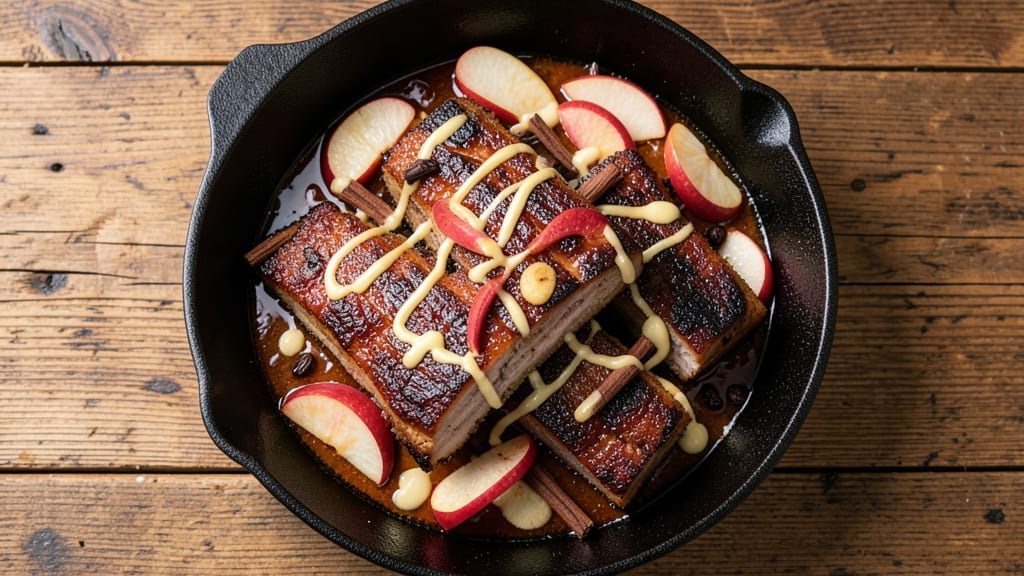
This apple pie ribs recipe transforms a classic barbecue staple into a dessert-worthy centerpiece with a smoky-sweet glaze that caramelizes directly onto the bone.
The marriage of tender, fall-off-the-bone meat with warm cinnamon, apple cider, and brown sugar creates a flavor profile that bridges comfort food and fine dining—something my guests still rave about months later.
What makes this recipe stand out isn’t just the glaze, but the technique: slow-smoking the ribs until they’re so tender they practically melt in your mouth, then finishing them with a sticky, caramelized crust that tastes like it came straight from a pie crust.
The process begins with a dry rub packed with spices that penetrate the meat deeply, while the apple cider glaze adds a subtle tartness that balances the richness.
Unlike traditional barbecue sauces, this glaze is designed to caramelize during the final stages of cooking, creating those coveted amber streaks on the ribs that signal perfection.
The result is a dish that’s equally impressive on a backyard grill or in a professional kitchen, with a texture that’s both tender and slightly crisp at the edges—a game-changer for anyone who thinks ribs and desserts can’t coexist.
By the time you’re done, you’ll have ribs that taste like they’ve been slow-cooked for hours, even if you cut that time in half with smart techniques. The glaze isn’t just sweet—it’s complex, with hints of cinnamon and apple that make every bite feel like a bite of apple pie.
Serve them with a side of creamy coleslaw or a crisp apple cider cocktail to complete the experience, and prepare for compliments that’ll have your friends asking for the recipe.
This isn’t just another ribs recipe—it’s a restaurant-quality dish that delivers on flavor, texture, and presentation without requiring hours in the kitchen.
Whether you’re hosting a summer barbecue or craving something special for a weeknight dinner, these ribs will deliver the kind of satisfaction that turns a simple meal into a memorable event. Let’s get started on the technique that’ll make your ribs the star of the table.
Ingredients for apple pie ribs
Six ingredients transform ribs into dessert-worthy sweet-smoky perfection with caramelized glaze.
| Ingredient | Amount | Notes |
|---|---|---|
| Pork Baby Back Ribs 🍖 | 4 lb | Bone-in, meaty ends preferred |
| Apple Cider 🍎 | 1 cup | Unfiltered for best flavor |
| Brown Sugar 🍚 | ½ cup | Packed, light or dark |
| Cinnamon Sticks 🌿 | 2 whole | For infusion, not grinding |
| Apple Pie Spice Blend 🍂 | 2 tbsp | Homemade or store-bought |
| Yellow Mustard 🍯 | ¼ cup | For base coat |
| Honey 🍯 | ¼ cup | Wildflower preferred |
| Apple Butter 🍏 | ¼ cup | Unsweetened for balance |
| Wood Chips 🌳 | 2 cups | Apple or hickory |
| Kosher Salt 🧂 | ½ cup | Coarse grain preferred |
| Smoked Paprika 🌶️ | 2 tbsp | For dry rub depth |
| Black Peppercorns 🌶️ | 1 tbsp | Freshly cracked |
| Apple Cider Vinegar 🍋 | 1 tbsp | For glaze tang |
| Unsalted Butter 🧈 | ¼ cup | Cold for finishing |
The ribs are the foundation, so look for meaty ends—those little nubs pack extra flavor. Costco or local butchers usually have the best cuts, but any grocery store with a meat counter will work. If you can't find baby backs, St. Louis-style ribs are a solid swap. The wood chips? Apple or hickory are perfect here—apple for sweetness, hickory for smokiness. Soak them for 30 minutes before using to prevent flare-ups. And trust me, skip the pre-cut ribs—whole slabs stay juicier.
No apple cider? Unsweetened apple juice plus a splash of vinegar works in a pinch. The apple butter can be swapped for unsweetened applesauce at half the amount, but you'll lose that deep caramelized flavor. For the dry rub, substitute 1 tbsp cinnamon plus 1 tbsp brown sugar if you don't have the blend. The mustard base is non-negotiable though—it helps the glaze stick. And if you're feeling fancy, add a pinch of cardamom to the rub for an extra layer of warmth.
This glaze is magic, but it's also delicate. Store any leftover apple cider in the fridge for up to 2 weeks, and the apple butter keeps for 6 months unopened. The ribs themselves? Wrap tightly in foil and refrigerate for 3 days max—they're best eaten fresh off the smoker. For leftovers, reheat in the oven with a splash of water to restore moisture. And if you make extra glaze, freeze it in ice cube trays for single-use portions later.
Why You'll Love This Recipe
- One-Pan Magic: I swear by this recipe when I’m too tired to wash dishes. Just ribs, cider, and spices—no extra pots, no fuss. The cinnamon sticks infuse the meat so effortlessly, I barely lift a finger beyond turning the oven on.
- Fall in Your Mouth: That first bite? Sweet, smoky, and just a whisper of spice—like biting into a warm apple pie crust but with meat. The brown sugar caramelizes into a sticky glaze that makes cleanup (or second helpings) totally worth it.
- Tailgate Hero: Between us, this is my go-to for game days or backyard gatherings. It’s hearty enough to feed a crowd but simple enough that I’m not stuck in the kitchen. (Yes, even on a Tuesday night.)
- Budget-Friendly Feast: Pork ribs and apples are cheaper than you’d think, and this recipe stretches them far. I’ve pulled leftovers for sandwiches, tacos, or even breakfast hash—no waste, just flavor. My wallet and my taste buds thank me.
Step-by-step instructions for apple pie ribs
Here's how to create ribs with a perfect balance of smoky depth and sweet apple pie flavors.
Prepare the Dry Rub and Prep the Ribs
In a medium bowl, combine the 0.5 cup brown sugar, 2 tablespoons apple pie spice blend, 2 tablespoons smoked paprika, and 1 tablespoon freshly cracked black peppercorns. Mix thoroughly until you see no more streaks of brown sugar. This dry rub is what will create that beautiful caramelized bark and infuse the ribs with warm apple pie spices.
Pat the 4 lb pork baby back ribs dry with paper towels, removing any excess moisture from the surface. This step is crucial—wet ribs won't develop that perfect crust. Then, generously coat both sides of the ribs with the yellow mustard, spreading it evenly across all surfaces. The mustard acts as a binder for the dry rub and helps create a sticky surface for the glaze to cling to later.
Next, rub the dry spice mixture all over the mustard-coated ribs, pressing firmly so it adheres well. Pay special attention to the meaty ends and the bones—they absorb the most flavor. Wrap the ribs tightly in plastic wrap and refrigerate for at least 4 hours, preferably overnight. This allows the rub to penetrate deeply and the flavors to meld together.
Smoke the Ribs with Wood Chips
Set up your smoker and add the 2 cups wood chips (apple or hickory work best). Preheat the smoker to 225°F and let it stabilize for about 15 minutes until you see clean, blue smoke. This is the ideal temperature for slow cooking that ensures tender meat without drying it out.
Once the smoker is ready, place the ribs meaty-side up on the smoker grates. The fat cap should be facing up to baste the meat as it renders. Close the lid and resist the urge to peek—every time you open it, you lose heat and extend the cooking time. Smoke the ribs for 4-5 hours, or until the internal temperature reaches 190-200°F and the bark is dark and crusty.
During the last hour of smoking, prepare the apple cider glaze by combining the 1 cup apple cider, 0.25 cup honey, 0.25 cup apple butter, 1 tablespoon apple cider vinegar, and 2 whole cinnamon sticks in a saucepan. Bring to a simmer over medium heat and cook for 15-20 minutes until the mixture thickens slightly and reduces by about a third. Strain out the cinnamon sticks and set the glaze aside.
Apply the Glaze and Finish Cooking
When the ribs reach the 190-200°F internal temperature, remove them from the smoker and brush them generously with the apple cider glaze. Place the ribs back on the smoker and continue cooking for an additional 30-45 minutes, basting with more glaze every 10 minutes. This step is where the magic happens—the glaze caramelizes on the bones and creates that signature sticky-sweet finish.
Watch the glaze carefully as it cooks. It should thicken and darken, forming a glossy, amber coating on the ribs. If the glaze starts to burn, reduce the heat slightly or move the ribs to a cooler part of the smoker. The ribs are done when the glaze is fully caramelized and the meat is fork-tender, pulling away from the bones with minimal resistance.
Rest and Serve
Once the ribs are fully glazed and cooked, transfer them to a cutting board and tent loosely with foil. Let them rest for 15-20 minutes before serving. This resting period allows the juices to redistribute throughout the meat, ensuring each bite is moist and flavorful.
While the ribs rest, melt the 0.25 cup unsalted butter in a small saucepan over low heat. Once melted, remove from heat and stir in a spoonful of the leftover apple cider glaze. This butter-basted glaze adds an extra layer of richness to the ribs when you serve them.
Slice the ribs between the bones and arrange them on a platter. Drizzle the melted butter-glaze mixture over the top and serve immediately with extra glaze on the side. The ribs should have a perfect balance of smoky, sweet, and slightly tangy flavors, with a caramelized glaze that clings to every bite.
Pro Tips For Making Apple Pie Ribs
- Trim the Membrane First: That thin membrane on the bone side of the ribs? Scrape it off before cooking—it’s like eating a tough, flavorless blanket. Use a butter knife or your fingers (yes, it’s gross but effective) to pry it loose, then rinse the ribs. Trust me, your fork will thank you later.
- Reduce the Cider Hard: Don’t just dump apple cider into the pan and walk away. Simmer it for 5–7 minutes first—until it’s thick enough to coat the back of a spoon. This concentrates the sweetness and caramelizes the sugars, so you’re not left with watery ribs. (I learned this after serving a plate that looked like a sad soup.)
- Skip the Crowding: If you’re cooking these on the grill or in a skillet, resist the urge to stack the ribs. They’ll steam instead of sear, and the sauce will turn into a sticky mess. Give them space—at least an inch between pieces—and let them crisp. (Your future self will curse you if you don’t.)
- Toast the Spices: Before adding the apple pie spice blend or cinnamon sticks, dry-toast them in the pan for 30 seconds over medium heat. The aroma alone makes the kitchen smell like autumn, and it deepens the flavor without overpowering the ribs. (Sounds weird, but it works—my grandmother swore by it.)
Storing and reheating your leftovers
Refrigerator Storage
Store leftover ribs in an airtight container lined with parchment paper to prevent sticking. I like using glass Pyrex containers with snap-on lids—they keep ribs moist for up to 4 days when refrigerated at 40°F or below.
The glaze will thicken slightly, so add a splash of apple cider when reheating to restore its silky texture. 🍎
Freezer Preservation
For longer storage, wrap ribs tightly in plastic wrap followed by foil to lock in moisture. Place the wrapped bundle in a freezer bag and flatten to save space. These ribs stay delicious for up to 3 months—just thaw overnight in the fridge before reheating.
The glaze remains flavorful but may crystallize slightly; warm it gently on the stovetop to restore its gloss. ❄️
Oven Reheating
Preheat your oven to 300°F and place ribs on a baking sheet lined with foil. Drizzle with 1 tablespoon apple cider and cover loosely with foil.
Heat for 15-20 minutes until reaching 165°F internal temperature. The oven’s dry heat helps recreate that smoky bark while keeping the meat tender. 🔥
Stovetop Revival
For quick reheating, place ribs in a heavy skillet over medium heat. Add 2 tablespoons water or apple cider, cover, and cook for 5-7 minutes, stirring occasionally.
The residual heat and moisture will restore the glaze’s stickiness. If the glaze seems too thick, brush on a thin layer of melted butter for extra shine. 💡
Glaze Refresh
If the glaze loses its vibrancy during storage, revive it by simmering 2 tablespoons leftover glaze with 1 teaspoon honey and 1 teaspoon apple cider vinegar for 3-5 minutes.
Strain and brush over reheated ribs for that restaurant-quality finish. This trick works wonders for leftovers that feel a bit dry. 🌟
Serving Leftovers
Repurpose leftover ribs into apple pie rib sandwiches with sourdough bread, caramelized onions, and a dollop of creamy coleslaw. Or shred the meat for ribs and applesauce stuffed sweet potatoes—just bake until tender and top with extra glaze.
These creative uses turn leftovers into new meals without extra effort. 🍽️
Nutrition facts
Frequently asked questions
Can I make these ribs without a smoker?
Use an oven set to 275°F with a water pan on the bottom rack to mimic smoke. Place ribs on a foil-lined tray and cover tightly with foil. Cook for 3-4 hours until tender, then apply the glaze and broil for 5-7 minutes to caramelize. The oven method works perfectly for indoor cooking.
How do I adjust the sweetness in the glaze?
For less sweetness, reduce the brown sugar to 1/4 cup and add 1 tablespoon apple cider vinegar to balance flavors. For more sweetness, increase the honey to 1/3 cup and add 1/2 teaspoon cinnamon. Taste as you go—the glaze should complement the smoky ribs, not overpower them.
What's the best way to serve these ribs?
Pair them with classic sides like creamy coleslaw or garlic mashed potatoes to cut through the richness. For a drink pairing, serve with sparkling apple cider or a bourbon apple cocktail. The tangy-sweet contrast enhances every bite.
Why did my glaze burn before the ribs were done?
This happens when the heat is too high. Reduce the smoker temperature to 200°F and move ribs to a cooler zone. Brush with a thin layer of butter to protect the glaze while cooking. The glaze should caramelize gradually—not burn—over 30-45 minutes.
Can I use beef ribs instead of pork?
Yes, but adjust the cooking time. Beef ribs need 1-2 extra hours at 225°F to reach tenderness. The glaze will work the same, but beef’s leaner meat benefits from wrapping in foil during the last hour to prevent drying. Test doneness at 205°F internal temp for beef.